Genre
Hard Bop
1950s–1960s — New York & Detroit — Earthy, Soulful, Driving
Hard bop took bebop's complexity and put it back in the body. Where bop could feel cerebral and fleet, hard bop slowed down just enough to really dig in — bluesier, more gospel-inflected, with a rhythm section that actually swings with some weight behind it. It's jazz that wants you to feel something before you analyze it.

Hard bop is 1950s jazz that took bebop's speed and harmonic complexity and grounded it back in blues, gospel, and soul — a direct reaction against the more cerebral cool jazz coming out of the West Coast at the time. Art Blakey, Horace Silver, Clifford Brown, and Sonny Rollins were its defining voices, and Blue Note Records was its home base.
<h2>Where it came from</h2>
Bebop had done something remarkable in the 1940s — it pushed jazz into genuinely demanding harmonic and rhythmic territory. But by the early 1950s, some players felt the music had drifted too far from its roots. The cool jazz coming out of the West Coast was polished and interesting, but it felt a long way from the church, from the blues, from the neighborhoods most of these musicians had grown up in. Hard bop was the pushback. It kept bebop's sophistication — the fast tempos, the complex changes — but reinjected the music with something rawer and more emotionally direct.
<h2>The musicians who defined it</h2>
The movement coalesced around a handful of musicians and labels, Blue Note Records chief among them. Art Blakey and his Jazz Messengers became one of the defining units of the style — Blakey's drumming was like a conversation and a thunderstorm at the same time, and he had a genius for finding young talent. Clifford Brown and Max Roach co-led another essential group before Brown's death in 1956 cut that partnership short. Horace Silver built his sound around blues phrasing and gospel-tinged piano voicings that felt like they belonged equally in a jazz club and a storefront church. Sonny Rollins brought a big tenor tone and an almost theatrical sense of structure to the style. These weren't just like-minded players — they were distinct personalities, and hard bop was broad enough to hold all of them.
<h2>More than a sound</h2>
The music also carried real cultural weight. Hard bop arrived during the early years of the Civil Rights Movement, and a lot of musicians were thinking consciously about African American identity and expression. Albums like A Love Supreme (1965) were still a few years off, but you can hear a similar seriousness of purpose in hard bop — a deliberate reclaiming of something that felt too easily appropriated or smoothed over. Lee Morgan's The Sidewinder (1964) caught a mainstream audience partly because it had a groove that was impossible to shake, but it worked because the jazz underneath that groove was completely uncompromised. That combination — accessible and uncompromising at the same time — is hard bop at its best.
<h2>Its legacy</h2>
The genre's commercial peak was probably the late 1950s and early 1960s, but its influence never really went away. You hear it in post-bop, in soul jazz, in the neobop revival of the 1980s when Wynton Marsalis and others explicitly looked back to this era as the standard worth defending. Hard bop never tried to be avant-garde or experimental — it tried to be the most fully realized version of what jazz already was. That's a harder target to hit than it sounds, and the best records of the era make it sound effortless.
Hard bop kept bebop's brains and gave it back its blues.
Essential Albums
♫
Moanin'
Art Blakey & The Jazz Messengers · 1958
Bobby Timmons's title track opening is one of the most immediately recognizable moments in jazz — gospel, blues, and bop fused so naturally you stop thinking of them as separate things.
♫
Saxophone Colossus
Sonny Rollins · 1956
Rollins at the height of his powers, with a calypso detour on 'St. Thomas' that shows just how much personality a hard bop player could bring to a single session.
♫
Horace-Scope
Horace Silver · 1960
Silver's piano writing here is lean and funky without ever sacrificing the harmonic depth that separates him from a straightforward soul-jazz player.
♫
The Sidewinder
Lee Morgan · 1964
The title track became a genuine hit without Morgan compromising an inch, proving that hard bop's blues-rooted directness could find a wide audience on its own terms.
In This Genre
150 artists in your library♫
Jeff "Tain" Watts
Drums - United States - Post-Bop
Jeff Watts plays drums like he's arguing a point, and usually winning. He came up in the Marsalis brothers' circle in the early 1980s and never really left the conversation, becoming one of the most quoted drummers in modern jazz — the guy other drummers transcribe just to figure out how he gets that much personality out of a ride cymbal.
♫
Nat Adderley
Cornet - United States - Hard Bop / Soul Jazz
Nat Adderley spent a lot of his career standing next to his more famous older brother Cannonball, but he wrote one of the most recorded tunes in jazz history and had a sound on cornet nobody else really had. He played it fat, warm, and a little dirty — closer to a blues shout than a trumpet solo — and that sound became the backbone of soul jazz.
Cannonball Adderley
Alto Saxophone - United States - Hard Bop & Soul Jazz
Cannonball Adderley was the embodiment of accessible sophistication—a saxophonist whose warm, full-bodied tone and infectious swing made complex harmonies feel like a natural conversation. His ability to bridge the gap between avant-garde jazz and popular appeal made him one of the most beloved bandleaders of the 1960s, proving that commercial success and artistic integrity weren't mutually exclusive.
♫
Toshiko Akiyoshi
Piano - Japan/USA - Post-Bop, Big Band
Toshiko Akiyoshi arrived in America in the 1950s already a formidable pianist, having grown up playing jazz in occupied Japan after falling in love with recordings of Teddy Wilson and Oscar Peterson. She went on to lead one of the most ambitious big bands in jazz history — the Toshiko Akiyoshi-Lew Tabackin Big Band — writing all the charts herself and weaving Japanese musical elements into modern jazz with a matter-of-fact originality that nobody else was doing. She did this without apology, without compromise, and largely without the recognition she deserved.
♫
Gene Ammons
Tenor Saxophone - USA - Soul Jazz / Hard Bop
Gene Ammons played tenor sax like he was testifying in church and telling you a dirty joke at the same time. Chicago born, big-toned, and never in a hurry, he turned bebop's fast talk into something you could slow dance to.
♫
Kenny Barron
Piano · USA · Post-Bop
Kenny Barron has been one of the most consistently excellent pianists in jazz for over six decades, and somehow that consistency has worked against his fame — he makes it look too easy. Dig into any record he touches, as a leader or a sideman, and you find playing that is melodically generous, rhythmically alive, and completely free of showboating.
♫
Gary Bartz
Alto Saxophone - USA - Hard Bop / Soul Jazz
Gary Bartz has been making uncompromising alto saxophone music since the 1960s, moving through hard bop, funk-inflected soul jazz, and back again without ever losing the thread. He came up through some of the most demanding bands in jazz history — playing with Max Roach, Art Blakey, and then Miles Davis at the turn of the 1970s — and what he learned in those rooms still shows up in every solo he plays. If you know his name at all, you probably know him from one great record, but his story is a lot longer and stranger than that.
♫
Ed Blackwell
Drums - United States - Free Jazz
Ed Blackwell brought New Orleans with him wherever he played — the parade-ground snap, the second-line swing, the sense that a drum kit could sing a melody instead of just keeping time. He became one of the quiet architects of free jazz by refusing to abandon where he came from.

Art Blakey
Drums - United States - Hard Bop
Art Blakey was the heartbeat of hard bop, a drummer whose thunderous technique and spiritual depth transformed the ensemble sound of modern jazz. Leading the Jazz Messengers for over three decades, he became the music's most dependable catalyst for discovering and nurturing young talent. His infectious polyrhythmic style and unwavering commitment to swing made him an institution unto himself.
♫
Terence Blanchard
Trumpet - USA - Post-Bop
Terence Blanchard is the rare jazz musician who built two full careers side by side — one on the bandstand, one in the editing room. He came up through Art Blakey's band in New Orleans tradition, then spent decades scoring Spike Lee's films, and somehow never let either side go slack.
♫
Willie Bobo
Percussion - United States - Latin Jazz
Willie Bobo grew up in Spanish Harlem banging on whatever was around until the banging turned into a career. He spent his life translating Afro-Cuban rhythm into something New York and Los Angeles could dance to, and along the way he helped invent a sound that was neither straight Latin nor straight jazz but its own thing entirely.
♫
Randy Brecker
Trumpet - United States - Jazz Fusion
Randy Brecker is the guy who figured out how to make a trumpet sound like it belonged in a funk band without losing the bebop vocabulary underneath. He's played on more sessions than anyone could count, co-led one of the tightest fusion outfits ever assembled with his brother Michael, and somehow never got the mainstream name recognition his playing deserves.
♫
Ray Brown
Bass - USA - Bebop / Hard Bop
Ray Brown was the bass player other bass players wanted to be when they grew up. He had a sound so big and warm it felt like it was coming up through the floor, and a sense of swing so dependable that bandleaders would organize whole rhythm sections around him. For five decades he was the first call, the gold standard, the guy you put on the record when you needed the bottom end to be absolutely right.

Clifford Brown
Trumpet - United States - Hard Bop
Clifford Brown arrived on the jazz scene like a comet, burning bright and impossibly fast before his tragic death at just twenty-five. His lyrical trumpet tone and fearless harmonic sensibility redefined what was possible on the instrument, influencing generations of players who never even had the chance to hear him live. In his brief five years of recording, he became the standard against which all modern trumpeters would be measured.
♫
Ray Bryant
Piano - United States - Hard Bop / Soul Jazz
Ray Bryant played piano like he grew up in church and never left the block — because he did both. He came out of Philadelphia with a sound built on blues and gospel changes, and he never bothered to hide it under bebop's more polite vocabulary.
♫
Kenny Burrell
Guitar - USA - Hard Bop / Blues
Kenny Burrell is the guitarist you keep coming back to — not because he's flashy, but because he's always saying exactly the right thing. He came up in Detroit, worked constantly in New York, and somehow made a career out of making the guitar sound warmer and more honest than almost anyone else. If you want to understand what blues feels like inside a jazz context, Burrell is your guy.
♫
Jaki Byard
Piano - United States - Post-Bop
Jaki Byard could play like Jelly Roll Morton and then, four bars later, sound like he'd never heard a melody before in his life. He was the pianist other pianists worried about following on the bandstand, a man who treated jazz history not as a timeline but as a toolbox he carried everywhere. Charles Mingus loved him for exactly that reason, and so did generations of students at the New England Conservatory who had no idea what they were in for.
♫
Donald Byrd
Trumpet · USA · Hard Bop / Jazz-Funk
Donald Byrd spent the first half of his career building a reputation as one of the most dependable and swinging trumpet voices in hard bop, recording prolifically for Blue Note and running with the best players in New York. Then, in the early 1970s, he did something few of his peers dared: he pivoted hard toward funk, R&B, and electric production, and made it work on its own terms. The result was a career that splits listeners down the middle — and a discography that rewards exploration on both sides of that divide.

Ron Carter
Bass - United States - Hard Bop, Modal Jazz, Soul Jazz
Ron Carter is the most recorded jazz musician in history, a bassist whose melodic sensibility and harmonic sophistication redefined what the instrument could express. With an estimated 2,500+ recording sessions spanning six decades, he became the invisible architect of jazz's modern sound, equally at home in the quintet of Miles Davis and the soul grooves of Marvin Gaye.
♫
Paul Chambers
Bass - USA - Hard Bop
Paul Chambers was the bassist every piano trio and quintet in New York wanted in the mid-1950s, and for good reason — he made everything swing harder without seeming to try. He was a core member of the Miles Davis quintet that essentially defined the sound of hard bop, but he was also the first-call bassist for what felt like half the records Blue Note and Prestige put out in that era. He died at 33, which means most people know him as a sideman, but his best playing stands completely on its own.
♫
Joe Chambers
Drums & Vibraphone — USA — Post-Bop
Joe Chambers spent years as one of the most in-demand drummers in New York without ever becoming a household name, which tells you something about how jazz rewards certain kinds of visibility over others. He played on a staggering run of Blue Note records in the 1960s without being the guy anyone put on the poster. Later in his career he turned seriously to the vibraphone, and the results were good enough to make you wonder why he waited.
♫
Ray Charles
Piano & Vocals - American - Soul Jazz / Vocal Jazz
Ray Charles didn't so much blend genres as ignore the walls between them — gospel, blues, country, jazz, pop all went into the same pot and came out sounding like nothing else. He was blind from the age of seven and playing professionally by his teens, working out his style in the roadhouses and radio stations of the American South before the rest of the world caught up. By the time he was famous, he'd already reinvented himself several times over.
♫
Mike Clark
Drums - USA - Jazz Fusion
Mike Clark is the drummer who figured out how to make a groove sound like it was falling down the stairs and landing on its feet every single time. He's the guy behind the beat on Thrust, the one that made every drummer who heard it rewind and try to count it out on their fingers. Decades later he's still doing club dates and clinics, still explaining a rhythm that most people can feel but can't quite diagram.
♫
Arnett Cobb
Tenor Saxophone - United States - Swing
Arnett Cobb played tenor sax like he was trying to knock the back wall out of the club. He came up in Texas, cut his teeth in territory bands, and ended up filling one of the biggest shoes in jazz history when he replaced Illinois Jacquet in Lionel Hampton's band. He spent the rest of his career proving that the big, honking, blues-soaked Texas tenor sound was a tradition worth keeping alive, even after a car accident and years of health trouble should have ended it.
♫
Jimmy Cobb
Drums - USA - Hard Bop / Modal Jazz
Jimmy Cobb spent decades being the steadiest hand in the room, and the room was often the most important room in jazz history. He's the drummer on Kind of Blue, which means more people have heard his playing than almost any other drummer alive or dead — most of them without ever knowing his name. That anonymity suited him fine; Cobb was never about the spotlight, he was about making the music feel inevitable.

John Coltrane
Tenor & Soprano Saxophone · USA · Hard Bop, Modal, Avant-Garde
John Coltrane didn't just play music — he interrogated it, pulling at its seams until something transcendent came loose. From the scorching bebop of his Miles Davis years to the devotional storms of A Love Supreme, he compressed a lifetime of evolution into barely two decades of recording. No saxophonist before or since has made the instrument sound simultaneously so human and so far beyond it.
♫
Junior Cook
Tenor Saxophone - USA - Hard Bop
Junior Cook spent years as the other tenor player — the one who wasn't Hank Mobley, the one standing next to Blue Mitchell in the Horace Silver Quintet while critics looked the other way. That anonymity was their loss. Cook was a gritty, swinging hard bop saxophonist with a big warm tone and an unfussy directness that makes his records feel like a conversation rather than a performance.
♫
Bob Cooper
Tenor Saxophone - United States - Cool Jazz
Bob Cooper spent his career as one of the most reliable tenor players on the West Coast, a guy who could swing hard in a big band and then turn around and play oboe on a cool jazz date without blinking. He never chased the spotlight the way some of his Lighthouse All-Stars bandmates did, but ask anyone who worked with him and they'll tell you he was the glue.
♫
Larry Coryell
Guitar - USA - Jazz Fusion
Larry Coryell was one of the first guitarists to seriously merge rock energy with jazz vocabulary, arriving in New York in the mid-1960s when that combination felt genuinely dangerous and new. He had the chops to hang with anyone — bebop heads, free players, classical composers — and spent his whole career restlessly moving between those worlds. The fact that he never settled into a single lane frustrated some people and made him all the more interesting to others.
♫
Hank Crawford
Alto Saxophone - USA - Soul Jazz
Hank Crawford played alto saxophone like he was singing a slow blues in church — all feeling, no wasted notes. He came up through the Ray Charles organization and never lost that deeply rooted, gospel-drenched approach to jazz. In an era that rewarded complexity and speed, Crawford just kept making music that hit you somewhere low in the chest.
♫
Chip Crawford
Piano - USA - Contemporary Jazz
Chip Crawford is the kind of pianist who makes everyone around him sound better, which is probably why he has spent so much of his career as a first-call accompanist. He has been the engine behind Chris Walker, and logged serious time alongside some of the best vocalists and horn players working in contemporary jazz. His playing is warm, unpretentious, and deeply swinging — the sort of thing you notice most when it isn't there.
♫
Stanley Crouch
Drums & Pen - USA - Jazz Criticism
Stanley Crouch played drums behind some of the wildest free jazz of the 1960s before deciding the music needed saving from itself. He spent the next five decades arguing, loudly and often beautifully, that swing and the blues were the backbone of American art — and he made more enemies and friends doing it than almost anyone in jazz writing.
♫
Tadd Dameron
Piano & Arrangement - USA - Bebop
Tadd Dameron was the guy who figured out how to make bebop beautiful. While his contemporaries were racing through chord changes, Dameron was thinking about melody, about lush voicings, about writing music that swung hard and sounded gorgeous at the same time. He never got the credit he deserved during his lifetime, but his fingerprints are all over mid-century jazz.
♫
Donald Dean
Drums - USA - Soul Jazz
If you've spent any time digging through Black Jazz Records sides from the early '70s, you've heard Donald Dean's cymbal work without necessarily knowing his name. He was the drummer other musicians trusted to hold a groove together while everyone else got loose on top of it.
♫
Lou Donaldson
Alto Saxophone · USA · Hard Bop / Soul Jazz
Lou Donaldson is one of the last living links to the golden age of Blue Note hard bop, a Charlie Parker disciple who gradually carved out his own identity by leaning hard into the blues and the church. Where some of his contemporaries chased abstraction, Donaldson doubled down on groove and accessibility without ever losing his craft. The result is a body of work that stretches from bebop orthodoxy to funky soul jazz, and it still sounds like a party you actually want to attend.
♫
Kenny Dorham
Trumpet - USA - Hard Bop
Kenny Dorham was one of the best trumpet players of his generation, which is a strange thing to say about someone so consistently underrated. He came up in bebop, ran with the hardest bop crews of the 1950s and early 60s, and recorded a string of albums that hold up beautifully — yet somehow he never quite got the credit his peers did. That gap between his actual quality and his public reputation became almost a running theme in jazz writing, and honestly it still hasn't been fully corrected.
♫
Joe Dukes
Drums - United States - Soul Jazz
Joe Dukes never fronted a band, never cut a solo album, and probably never wanted to. He was the guy behind the organ, locking down the groove so Brother Jack McDuff could preach and a young George Benson could fly, and if you know soul jazz drumming at all, you already know his sound even if you never learned his name.
♫
Herb Ellis
Guitar - USA - Swing / Bebop
Herb Ellis was the kind of guitarist who made everything look easy — swinging hard without breaking a sweat, slipping bebop lines into a blues framework like he'd been doing it his whole life. He came up through the big bands, found his voice in the intimate setting of the Oscar Peterson Trio, and spent the rest of his career proving that clean, soulful, straight-ahead guitar never goes out of style. If you love the guitar and you haven't spent time with Ellis, you've got a treat waiting.
♫
Ahmet Ertegun
Record Producer / Label Founder - Turkey / USA - Jazz & R&B
Ahmet Ertegun never played an instrument on the records that made him famous, but without him a huge chunk of American jazz and R&B might sound completely different. He co-founded Atlantic Records out of a hotel room with borrowed money and a genuine love of the music, and somehow turned that into one of the most important labels in jazz, soul, and rock history.
♫
Booker Ervin
Tenor Saxophone - USA - Hard Bop / Post-Bop
Booker Ervin had one of the most immediately recognizable sounds in jazz — a big, raw, Texas-inflected tenor that hit you square in the chest before you'd even registered what tune was playing. He spent most of his career in the shadow of better-promoted contemporaries, but the musicians who knew, knew. His run of records for Prestige in the 1960s is as consistent and underrated a body of work as that era produced.
♫
Addison Farmer
Double Bass - United States - Bebop
Addison Farmer spent his career standing next to his twin brother, trumpeter Art Farmer, and in a lot of ways that's exactly where jazz history has left him. But if you listen past the family resemblance, you'll find a bassist with a clean, dependable sound who quietly held down sessions for some of the sharpest minds in 1950s New York bebop and cool jazz.
♫
Art Farmer
Trumpet & Flugelhorn - USA - Hard Bop / Cool Jazz
Art Farmer never chased the spotlight, but he had one of the most instantly recognizable horn sounds in jazz — warm, round, a little melancholy, never in a hurry. He spent his career quietly proving that you didn't need to play fast or loud to say something worth hearing.
♫
Wilton Felder
Tenor Saxophone & Bass - USA - Soul Jazz / Fusion
Wilton Felder spent his whole career refusing to pick a lane, and it worked out fine. He co-founded The Crusaders, blew tenor sax with a big Texas honk, and somehow also became one of the most called-upon bass players in Los Angeles studios. Ask a casual listener who he is and they probably don't know the name — but they've heard him.
♫
Sullivan Fortner
Piano - USA - Post-Bop
Sullivan Fortner plays piano like he's got three extra hands and a photographic memory for every style of American music that ever mattered. He can slip from stride to Monk-ish angles to something close to gospel in the space of eight bars, and somehow it never feels like showing off.
♫
Vernell Fournier
Drums - USA - Hard Bop
Vernell Fournier is best remembered for one of the most recognizable drum grooves in jazz history — the relaxed, almost floating swing he laid down on Ahmad Jamal's live recordings at the Pershing Hotel. But reducing him to a single gig would be doing him a disservice. He was a drummer's drummer: subtle, economical, and deeply musical in a way that made everyone around him sound better.
♫
Red Garland
Piano - USA - Hard Bop / Soul Jazz
Red Garland had a way of making the piano sound like it was having a good time, which sounds simple until you realize how hard that is to fake. He came up through the clubs of Dallas and Philadelphia before landing the piano chair in the most talked-about rhythm section in jazz, and he never lost the ease and swing that made him indispensable. His style was instantly recognizable — those two-handed block chords, the bluesy right-hand runs — and it influenced just about every mainstream jazz pianist who came after him.
♫
Benny Golson
Tenor Saxophone - USA - Hard Bop
Benny Golson wrote some of the most-played tunes in jazz history before most people knew his name, and then spent decades proving he could blow just as hard as he could compose. His tenor sound is warm and slightly burnished, the kind that makes a room feel like it closed in around you without anyone noticing. He is one of those rare musicians where the pen and the horn feel equally weighted.
♫
Paul Gonsalves
Tenor Saxophone · USA · Swing / Hard Bop
Paul Gonsalves spent most of his career in the shadow of the man he worked for — Duke Ellington — and that's both the story of his life and a mild injustice. He had a tenor sound that was warm and slightly rough around the edges, a player who could swing hard or play a ballad with real tenderness, and who became famous almost overnight for a single extended solo at a 1956 Newport Jazz Festival performance that most people still talk about decades later. The funny thing is, that moment captures maybe half of what he actually was.
♫
Jerry Gonzalez
Trumpet, Conga - Puerto Rican American - Latin Jazz
Jerry Gonzalez grew up in the South Bronx hearing Charlie Parker records on one side of the wall and rumba on the other, and he spent the rest of his life refusing to pick a side. He played trumpet like a bebopper and congas like he'd grown up in a Havana solar, and somehow made that combination sound inevitable rather than forced.

Dexter Gordon
Tenor Saxophone - USA - Hard Bop & Bebop
Dexter Gordon was the tenor saxophone's poet laureate—a towering figure whose warm, conversational tone and harmonic sophistication made him one of jazz's greatest improvisers. After decades of struggle with addiction and a self-imposed exile in Copenhagen, he returned to America in the 1970s to cement a legacy that would influence generations of saxophonists. His late-career renaissance proved that artistic greatness could survive almost anything.
♫
Wycliffe Gordon
Trombone · USA · Traditional Jazz / Hard Bop
Wycliffe Gordon plays trombone like he's having the best conversation of his life — big, loose, full of laughter and surprise. He came up through the Wynton Marsalis school and absorbed everything the tradition had to offer, but what he does with it is unmistakably his own. If you've ever thought the trombone was a supporting instrument, he'll change your mind fast.
♫
Norman Granz
Producer & Impresario - USA - Swing / Bebop
Norman Granz never played an instrument, but he shaped the sound of jazz more directly than most musicians ever did. He turned concert halls into battlegrounds for civil rights, built record labels that gave artists total creative control, and managed to make bebop and swing pay — on his terms. If you love Ella Fitzgerald, Oscar Peterson, or Charlie Parker on record, you owe a debt to a guy most casual listeners have never heard of.
♫
Grant Green
Guitar · USA · Hard Bop / Soul Jazz
Grant Green played guitar the way a good blues singer phrases a line — he never cluttered a note, never rushed, and somehow made the simplest melodic statement feel completely inevitable. He spent most of the 1960s recording for Blue Note at a pace that was almost reckless, cutting session after session that ranged from straight-ahead hard bop to greasy soul jazz, often with whoever happened to be around. The records are uneven in the way that honest, working-musician output tends to be, but when he was locked in, few guitarists have ever sounded quite so purely themselves.
♫
Johnny Griffin
Tenor Saxophone - USA / France - Hard Bop
Johnny Griffin played tenor saxophone faster than almost anyone alive, and he made it look easy, which is the most annoying part. He spent the better part of three decades living in Europe, where he was treated like the serious artist he was, and the records he made there are some of the most exciting hard bop you can find. If you want to understand what a tenor saxophone can actually do at full throttle, Griffin is your guy.
♫
Richard Groove Holmes
Organ - United States - Soul Jazz
Richard Holmes earned his nickname honestly — nobody sat down at a Hammond B-3 with a deeper pocket or a heavier left hand. He never chased the avant-garde or worried much about being called a serious artist; he just wanted the room to move.
♫
Gigi Gryce
Alto Saxophone - United States - Bebop / Hard Bop
Gigi Gryce wrote some of the smartest tunes to come out of the bebop era, then walked away from the music business entirely and taught grade school under a different name. He deserves to be remembered as more than a footnote to Clifford Brown's quintet.
♫
Bob Gullotti
Drums - USA - Avant-Garde Jazz
Bob Gullotti spent nearly five decades behind the kit in Boston, mostly known outside a small circle of devoted fans for one thing: keeping The Fringe together. That trio, with saxophonist George Garzone and bassist John Lockwood, played weekly gigs for over forty years, and Gullotti was the glue that let the other two go as far out as they wanted.
♫
Herbie Hancock
Piano - United States - Post-Bop
By the late nineties Herbie Hancock had already been a bebop kid, a Miles Davis sideman, a funk innovator, and a hip-hop crossover act with a Grammy in his pocket. So when he decided to make a George Gershwin tribute record, he didn't just cover the songbook — he blew it open, inviting opera singers, Stevie Wonder, and African drummers to sit at the same table. Gershwin's World is Hancock refusing to sit still, even in his late fifties.

Roy Hargrove
Trumpet - United States - Post-Bop, Hard Bop, Soul Jazz
Roy Hargrove arrived in New York in the late 1980s as a prodigy with a burnished tone and an instinctive grasp of tradition—yet he never mistook reverence for invention. Over three decades, he moved fluidly between bebop, funk, and Afro-Cuban rhythms, always leading with emotion rather than technical display. His best work captured something increasingly rare in jazz: the feeling of a musician genuinely discovering what to play in the moment.
♫
Barry Harris
Piano - USA - Bebop
Barry Harris was the keeper of the bebop flame at a time when the rest of the jazz world was sprinting in other directions. He didn't just play in the style of Charlie Parker and Thelonious Monk — he understood the harmonic logic underneath it so deeply that he spent decades teaching it to anyone who would listen. If you wanted to know how bebop actually worked, not just how it sounded, Barry Harris was the person you called.
♫
Eddie Harris
Tenor Saxophone - United States - Soul Jazz
Eddie Harris had a hit record before he turned thirty and then spent the rest of his career refusing to repeat himself. He plugged his saxophone into effects boxes, sang through a reed trumpet, and turned a protest song into a crossover smash, all while the jazz establishment squinted at him sideways.
♫
Donald Harrison Jr
Alto Saxophone - USA - Hard Bop / Post-Bop
Donald Harrison grew up with two family businesses: jazz and Mardi Gras Indian tradition. He learned to play alto saxophone the way other kids learn to ride a bike, then went and did the hard work of actually mastering bebop, hard bop, and the deep second-line rhythms of his hometown, and somehow never had to choose between them.
♫
Antonio Hart
Alto Saxophone - USA - Post-Bop
Antonio Hart came up fast and hard in the early 1990s, a Baltimore-born alto player who sounded like he'd been listening to Charlie Parker and Jackie McLean his whole life — because he had. He arrived with technical firepower and a warm, singing tone that set him apart from the cooler, more detached players of his generation. The records he made early in his career hold up better than most people remember.
♫
Hampton Hawes
Piano - United States - Bebop
Hampton Hawes played bebop piano like he was born speaking the language, which in a way he was — he grew up in Los Angeles hearing Charlie Parker and Art Tatum in equal measure and figured out how to fold both into his own hands. His career got interrupted by heroin and a prison sentence, then by a presidential pardon that sounds like a plot twist, but the records he made before and after stayed sharp the whole way through.
♫
Louis Hayes
Drums - United States - Hard Bop
Louis Hayes was barely out of his teens when he landed in some of the hottest bands in jazz, and he never really left. He's the drummer who made Horace Silver's funk swing and Cannonball Adderley's soul jazz hit like a punch, and he's still out there playing with that same crackling energy decades later.
♫
Roy Haynes
Drums - USA - Hard Bop / Post-Bop
Roy Haynes has been playing drums professionally since the 1940s and is still doing it better than almost anyone alive. He has worked with pretty much every major figure in jazz across eight decades — not as a sideman who faded into the background, but as a genuine force who pushed every band he joined. The man has a snare sound you can identify in about two seconds.
♫
Jimmy Heath
Saxophone - United States - Bebop / Hard Bop
Jimmy Heath spent a career standing just outside the spotlight that fell on his famous friends, and somehow that turned out to be the best seat in the house. He wrote tunes other people made famous, arranged charts that made big bands sound sharper, and kept playing beautiful tenor saxophone right up until the end, long after most of his generation had put the horn down.
♫
Percy Heath
Bass - United States - Hard Bop
Percy Heath spent four decades as the quiet engine of the Modern Jazz Quartet, playing bass lines so clean and so sure that people sometimes forgot how hard that is to do. He could have been a bebop firebrand like his younger brothers, but he chose steadiness instead, and built one of the great careers in jazz out of it.

Joe Henderson
Tenor Saxophone - United States - Modal Jazz & Hard Bop
Joe Henderson was a tenor saxophonist of extraordinary harmonic sophistication and restless creativity, a musician who refused the constraints of any single style. From his early work in the hard bop tradition through his explorations of modal jazz and beyond, Henderson embodied an intellectual rigor that made him one of the most respected and influential saxophonists in modern jazz history.
♫
Eddie Henderson
Trumpet - United States - Post-Bop / Fusion
Eddie Henderson spent the first part of his adult life becoming a doctor and the rest of it proving he didn't have to choose between stethoscope and trumpet. He's the rare musician who played alongside Miles Davis as a teenager, then went and got an M.D. before circling back to become one of the most reliable post-bop trumpeters of his generation.
♫
Wayne Henderson
Trombone - United States - Soul Jazz / Fusion
Wayne Henderson played trombone like it was a horn section all by itself — fat, funky, and built for the dance floor as much as the jazz club. He co-founded The Jazz Crusaders in Houston, rode the band through its transformation into The Crusaders, and then quietly became one of the most in-demand producers in Black popular music.
♫
Billy Higgins
Drums - USA - Hard Bop / Free Jazz
Billy Higgins might be the most purely joyful drummer in the history of jazz — a guy who seemed genuinely delighted to be playing, every single time. He was on so many landmark recordings that his name became a kind of guarantee of quality, from the earliest Ornette Coleman records to decades of work with Cedar Walton. What's remarkable is that through all of it, he never lost that feeling of lightness, that sense that the drums were something to smile about.
♫
Terumasa Hino
Trumpet - Japan - Post-Bop
Terumasa Hino came up in Tokyo playing hard bop with a ferocity that had nothing to do with imitation and everything to do with conviction. He spent decades building a reputation in Japan before Blue Note came calling, and by the time Western audiences caught on, he had already gone somewhere else entirely. His trumpet playing is aggressive, searching, and occasionally uncomfortable in the best possible way.
♫
Red Holloway
Tenor Saxophone - United States - Soul Jazz
Red Holloway spent his career in the engine room of jazz rather than out front with the marquee players, and that was exactly where he wanted to be. He had a big, bluesy tenor sound built for organ trios and backroom clubs, and he used it to make a living for six decades without ever chasing a trend.

Freddie Hubbard
Trumpet - USA - Hard Bop, Fusion, Soul Jazz
Freddie Hubbard was a virtuoso trumpeter whose technical brilliance and emotional directness made him one of the most recorded jazz musicians of the post-bop era. From hard bop grooves to avant-garde explorations and electric fusion experiments, Hubbard's burnished tone and fearless improvisational approach commanded respect across multiple decades. His collaborations shaped the sound of Blue Note Records in the 1960s and beyond.
♫
Ethan Iverson
Piano - United States - Post-Bop / Contemporary Jazz
Ethan Iverson is the rare jazz musician who can explain exactly why a Thelonious Monk voicing works and then go play something that breaks all the same rules. He spent seventeen years as the pianist and de facto intellectual engine of The Bad Plus before stepping away to build a second life as a bandleader, sideman, and one of the sharpest writers jazz has produced in decades.
♫
Milt Jackson
Vibraphone · USA · Hard Bop / Cool Jazz
Milt Jackson was the soul of the Modern Jazz Quartet and one of the most instantly recognisable vibraphonists in jazz. His tone was warm and slightly behind the beat in a way that made even uptempo pieces feel relaxed. Within the MJQ's chamber-jazz framework he provided the blues feeling that kept the group's classicism from becoming cold. Outside the MJQ he recorded prolifically — often harder-swinging sessions that showed how much he had kept in reserve.
♫
Illinois Jacquet
Tenor Saxophone - USA - Swing
Illinois Jacquet was twenty years old when he played a solo that basically invented a sound. That one chorus on 'Flying Home' with Lionel Hampton's band didn't just make him famous overnight, it gave an entire generation of saxophonists a new way to scream, honk, and shout through their horns.

Ahmad Jamal
Piano - United States - Modal Jazz & Hard Bop
Ahmad Jamal transformed the jazz piano trio into an art form of elegant restraint and architectural precision. His crystalline touch and sophisticated harmonic sensibility made him a bridge between swing-era sophistication and modal modernism. For seven decades, he proved that space and silence could be as powerful as virtuosity.
♫
Bobby Jaspar
Saxophone, Flute - Belgium - Cool Jazz
Bobby Jaspar never quite got his due, partly because he died young and partly because he spent his career straddling two continents instead of planting a flag on one. He was a Belgian tenor player who moved to Paris, then to New York, picking up the flute along the way and helping turn it into a real jazz voice rather than a novelty.
♫
Rudolph Johnson
Tenor Saxophone - United States - Spiritual Jazz
Rudolph Johnson cut two albums for Black Jazz Records in the early seventies and then more or less vanished from the jazz conversation, which is a shame, because those records are some of the warmest, most soulful tenor playing to come out of that whole spiritual jazz moment. He never chased a bigger name for himself. He just played with real conviction and let the tape roll.
♫
Thad Jones
Trumpet, Flugelhorn - USA - Hard Bop, Post-Bop
Thad Jones was one of those musicians who could make you feel underdressed just by walking onstage — a trumpet player of formidable imagination and a composer-arranger who built some of the most sophisticated big band music of the 1960s and 70s without ever making it feel like homework. He spent years as a sideman in the Count Basie orchestra, quietly absorbing everything, before co-founding the Thad Jones/Mel Lewis Orchestra in New York, which became the kind of band that other musicians would go out of their way to catch on a Monday night. The fact that he spent his last years leading a European orchestra is one of those jazz footnotes that says a lot about where the music found its most devoted audiences.
♫
Philly Joe Jones
Drums - USA - Hard Bop
Philly Joe Jones was the drummer behind some of the most celebrated recordings in jazz history, holding down the rhythm section for the classic Miles Davis Quintet at the height of its powers. He played with a swagger and precision that made every bandleader want him in the room, and he had a habit of making the whole band feel loose even when everything was locked tight. If you've ever heard a snare crack that made you sit up straight, there's a decent chance it was him.
♫
Hank Jones
Piano - United States - Swing to Bebop
Hank Jones spent seven decades being the pianist everybody wanted on the session, and almost nobody outside the business knew his name. He was there for Charlie Parker's bebop revolution, there for Ella Fitzgerald's best years, there for Marilyn Monroe's birthday serenade to a president. Through all of it he played with the same unshowy, immaculate touch, like a man who had nothing left to prove and never needed to.
♫
Quincy Jones
Arranger / Producer - USA - Hard Bop, Big Band, Soul Jazz
Quincy Jones spent decades being the most useful person in any room he walked into — as a teenage trumpet prodigy in Seattle, as an arranger rebuilding Count Basie's band on the fly, as the producer who helped Michael Jackson sell records in numbers nobody had seen before. Jazz was where he started, and it never really left him, even when everything else got much bigger and much louder.
♫
Wynton Kelly
Piano · Jamaica / USA · Hard Bop
Wynton Kelly is the pianist you keep noticing on other people's records before you realize you should just be listening to his own. He had a touch that was simultaneously relaxed and precise, like someone who never wasted a note but also never seemed to be counting them. Miles Davis used him on Kind of Blue for a single track, and that one performance has been studied by piano students ever since.
♫
Calvin Keys
Guitar - USA - Soul Jazz
Calvin Keys is one of those guitarists who spent decades playing in other people's bands before anyone thought to put his name on the marquee. He had a tone that could cut through a Hammond organ trio one night and float over a spiritual jazz sermon the next, and once Black Jazz Records finally let him lead his own session, it turned out he'd been worth the wait all along.
♫
Rahsaan Roland Kirk
Multi-Instrumentalist - United States - Avant-Garde Jazz
Rahsaan Roland Kirk could play three horns at once and somehow make it sound like a conversation, not a party trick. He was blind, loud, funny, political, and completely serious about music even when he was juggling a tenor sax, a manzello, and a stritch at the same time.
♫
Kenny Kirkland
Piano · USA · Post-Bop
Kenny Kirkland was one of those pianists who could make any band sound better just by sitting down at the keys — technically ferocious but never cold, always swinging even when the music got complicated. He came up in the 1980s working alongside Wynton Marsalis and Branford Marsalis, then carved out his own voice on a small but remarkable solo discography before his death at 43. What he left behind is enough to make you genuinely sad about what didn't get recorded.
♫
Niels Lan Doky
Piano - Denmark - Post-Bop
Niels Lan Doky grew up in Copenhagen with one foot in the hard-swinging American tradition and the other in the cooler, more spacious Nordic sound around him. He built a career as a pianist who could hold his own with New York heavyweights while never losing the melodic clarity that marks so much Danish jazz.
♫
Yusef Lateef
Saxophone & Flute - United States - Spiritual Jazz
Yusef Lateef played saxophone like a hard bop veteran and flute like he'd learned it somewhere far from Detroit, which in a way he had, at least in his head. He spent decades folding oboe, bassoon, and instruments most jazz musicians couldn't name into his records, long before 'world music' was a section in the record store.
♫
Abbey Lincoln
Vocals - USA - Jazz / Soul / African American Music
Abbey Lincoln spent the first part of her career being told what to wear and what to sing, and she spent the rest of it ignoring all of that. She became one of the most politically committed and emotionally direct voices in jazz, someone who wrote her own songs, said what she meant, and sounded like nobody else. The transformation from nightclub singer to artist on her own terms is one of the more interesting stories in American music.
♫
Alfred Lion
Producer - German-American - Record Label Founder
Alfred Lion didn't play a note on any of the records that made him famous, but good luck finding a jazz collection without his fingerprints on it. He started Blue Note out of love for the music, stuck around long enough to define what a modern jazz record could sound like, and somehow never lost the enthusiasm of a guy who just heard something amazing in a club the night before.
♫
Booker Little
Trumpet - USA - Post-Bop
Booker Little died at 23, which means most people file him under 'tragic genius' and move on. That's a shame, because what he left behind is genuinely strange and exciting music that doesn't sound like anyone else from that period. He was working out ideas that most trumpeters wouldn't catch up to for years.
♫
Eddy Louiss
Hammond Organ - France - Soul Jazz
Eddy Louiss took the Hammond B3 — an instrument built for American churches and Chicago soul clubs — and made it speak fluent French jazz. He had the voice of a singer and the ear of a vibraphonist before he ever touched an organ, and you can hear both in the way he played: warm, melodic, never showing off just to show off.
♫
Shelly Manne
Drums - USA - Cool Jazz / Hard Bop
Shelly Manne was the drummer who made West Coast jazz sound like something more than a soundtrack for palm trees. He could swing as hard as anyone in New York, but he also knew how to listen — which, for a drummer, is rarer than it sounds.
♫
Wynton Marsalis
Trumpet · USA · Neo-Bop
Wynton Marsalis arrived in New York in the early 1980s like a correction — technically immaculate, historically fluent, and entirely uninterested in the direction jazz had been heading. He became the most celebrated and most argued-about jazz musician of his generation, a figure who restored acoustic bebop to the concert hall and made traditionalism feel, for a moment, like rebellion.
♫
Ellis Marsalis Jr.
Piano - USA - Post-Bop
Ellis Marsalis spent decades quietly doing the work that most people never get credit for — teaching, playing, mentoring, and holding New Orleans jazz together from the inside out. He was a serious bebop and post-bop pianist who somehow ended up famous mostly for being someone's father, which is both understandable and a little unfair. His playing deserved more ears than it got.
♫
Pat Martino
Guitar - United States - Hard Bop / Soul Jazz
Pat Martino played guitar like he was solving a math problem at top speed, except the math problem swung hard. Then in 1980 a brain aneurysm took his memory, including the memory of how to play his own instrument, and he built it all back from old records of himself. Few stories in jazz are stranger or more quietly heroic than that one.

Christian McBride
Bass - United States - Contemporary Jazz
Christian McBride has redefined what's possible on the bass in contemporary jazz, wielding his instrument with the melodic sensibility of a born bandleader. Since his teenage years in Philadelphia, he's been the heartbeat behind some of jazz's most vital ensembles, from his own trios to collaborations with legends like Pat Metheny and Herbie Hancock. McBride's fluid technique and harmonic sophistication have made him one of the most recorded and sought-after bassists of his generation.
♫
Les McCann
Piano, Vocals - USA - Soul Jazz
Les McCann played piano like he was preaching and singing like he had somewhere urgent to be. He came up through gospel and blues before jazz got hold of him, and that mix never left his music — funky, direct, built for people who wanted to feel something, not just admire it.
♫
Jack McDuff
Organ - United States - Soul Jazz
Brother Jack McDuff started out playing bass in blues bands around Chicago, but once he sat down at a Hammond B-3 he never really got up again. He built a sound that was greasy, churchy, and built for dancing, and along the way he gave young guitarists like George Benson and Pat Martino their first real education on a bandstand.
♫
Jack McDuff
Hammond Organ - USA - Soul Jazz
Brother Jack McDuff was the kind of organist who made you feel the music in your chest before your brain had time to catch up. He came up through the blues and never really left, even when he was deep inside a jazz context. His Hammond B-3 had a grit and a swagger that set him apart from the more polished players of his era.
♫
Jimmy McGriff
Organ - USA - Soul Jazz
Jimmy McGriff didn't come up through jazz clubs — he came up through R&B bands and a police academy, and you can hear both in his playing. His Hammond B3 sound was funky before funk had a name, built for dancing as much as listening.
♫
Jackie McLean
Alto Saxophone - USA - Hard Bop / Post-Bop
Jackie McLean came up in the same Harlem circles as Miles Davis and Sonny Rollins, and his alto saxophone had a rawness to it that never quite smoothed out — which turned out to be exactly the point. He spent years fighting heroin addiction, losing his cabaret card, and watching his career stall while younger players took the spotlight, but when he came back he came back sharper and more committed than before. By the early 1960s he was recording some of the most harmonically adventurous hard bop on Blue Note, building a body of work that holds up remarkably well.
♫
Charles McPherson
Alto Saxophone - USA - Bebop
Charles McPherson grew up in Detroit and came of age in New York just as bebop was cementing its place as the serious language of jazz — and he took to it like it was the only language worth speaking. He spent years in Charles Mingus's band, which is about as rigorous a school as the music had to offer, and came out the other side with a voice of his own that still sounds fresh decades later. If you love Charlie Parker but want to hear what a living alto player did with that tradition rather than just copying it, McPherson is your guy.
♫
Blue Mitchell
Trumpet · USA · Hard Bop / Soul Jazz
Blue Mitchell had one of those trumpet sounds that felt lived-in from the first note — warm, a little husky, never flashy for its own sake. He spent the better part of the 1950s and 60s anchoring some of the best hard bop records on the Riverside label, often in the shadow of bigger names, which is probably why casual listeners still sleep on him. Put on almost anything he recorded and you'll wonder why you waited.
♫
Red Mitchell
Bass - United States - Cool Jazz
Red Mitchell played the bass like it owed him money for melody, not just rhythm. He spent the 1950s as one of the most in-demand low end players on the West Coast, then quietly rewrote how the instrument could be tuned, and eventually moved to Sweden where American jazz fans mostly lost track of him.
♫
Larry Mizell
Producer / Composer — USA — Jazz Funk
Larry Mizell, along with his brother Fonce, built one of the most distinctive sounds in 1970s jazz-funk without most people ever knowing his name. As producers and arrangers for Blue Note Records, the Mizell Brothers turned artists like Donald Byrd and Johnny Hammond into crossover sensations at a time when jazz desperately needed new listeners. Their records are warm, funky, and immediately recognizable — and they still sound great today.
♫
Hank Mobley
Tenor Saxophone - USA - Hard Bop
Hank Mobley spent much of his career being underrated, which is one of jazz's more frustrating recurring stories. He had a tone that was rounder and softer than his contemporaries, and critics sometimes mistook warmth for weakness — but put on Soul Station and that argument falls apart in about thirty seconds. He was a Blue Note regular for decades, and the catalog he left behind is one of the richest anywhere on that label.

Thelonious Monk
Piano - United States - Bebop / Hard Bop
Thelonious Sphere Monk was jazz's most enigmatic composer and pianist, a figure whose angular melodies and percussive touch seemed to arrive from another dimension. His sparse, almost cubist approach to harmony rewired the language of modern jazz, turning the piano into an instrument of pure abstraction. Yet beneath the dissonance lay a melodic sensibility of haunting beauty, one that only deepened with repeated listening.

Wes Montgomery
Guitar - United States - Soul Jazz
Wes Montgomery transformed the electric guitar from a rhythm instrument into a singing voice capable of breathtaking lyricism and unprecedented technical mastery. His distinctive thumb-picking technique and luminous tone made him one of jazz's most influential and beloved figures, bridging the gap between hard bop sophistication and popular accessibility.
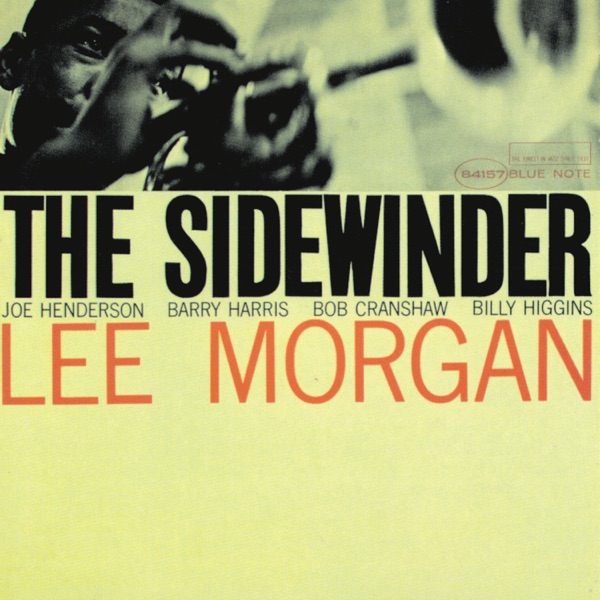
Lee Morgan
Trumpet - United States - Hard Bop & Soul Jazz
Lee Morgan was a trumpet virtuoso whose brash tone and infectious swing made him one of hard bop's most compelling voices. Discovered as a teenager by Dizzy Gillespie, he brought a street-level energy to the genre that balanced technical brilliance with raw emotional directness. His tragically shortened career left behind a catalog of essential recordings that remain unsurpassed in their combination of sophistication and soul.
♫
George Morrow
Bass - USA - Hard Bop
George Morrow spent the better part of a decade as the anchor beneath Clifford Brown and Max Roach, one of the most celebrated small groups in hard bop history — and still managed to remain one of the least-discussed musicians in that band. His playing was sturdy, melodic, and deeply swinging, the kind of bass work that makes everything around it feel inevitable.
♫
Idris Muhammad
Drums - USA - Soul Jazz
Idris Muhammad grew up in New Orleans banging on pots and pans before he ever sat behind a kit, and you can hear that street-parade bounce in everything he played, whether it was a Fats Domino session or a Pharoah Sanders record. He spent decades as the drummer other musicians called when they needed a groove that could swing and funk at the same time, and somehow he made that look easy.
♫
Oliver Nelson
Saxophone, Arranger - USA - Post-Bop, Hard Bop
Oliver Nelson wore more hats than most musicians manage in a lifetime — saxophonist, composer, arranger, bandleader, film and television scorer — and he wore all of them well. He is best remembered for one album that pretty much everyone agrees is a stone classic, but his real story is wider and stranger than that single record suggests. Here was a guy who could write for a small jazz combo and a full symphony orchestra with equal confidence, and who quietly shaped the sound of dozens of records without his name ever appearing on the front cover.
♫
David Newman
Tenor Saxophone - United States - Soul Jazz
David Newman spent years playing second fiddle to a genius before anybody outside Texas knew his name — and even after they did, most people knew him by a nickname he got saddled with in school. He turned that nickname into a brand and built a career that outlasted the gig that made him famous.
♫
Ulysses Owens Jr
Drums - USA - Contemporary Jazz
Ulysses Owens Jr came up through the Christian McBride band and never really looked back — except to dig deeper into the tradition. He plays drums with a swagger that feels earned rather than inherited, and he leads sessions that sound like a real band having a real conversation, not a showcase.
♫
Eddie Palmieri
Piano - USA - Latin Jazz
Eddie Palmieri took the hard bop piano he grew up loving and ran it headlong into Afro-Cuban and Puerto Rican rhythms, and the collision produced something that neither jazz nor salsa fully owns. For six decades he has been one of the most restless, argumentative bandleaders in New York — a guy who will stop a groove mid-flight to do something harmonically weird and then dare you to keep up. The music is loud, dense, joyful, and occasionally a little dangerous.
♫
Duke Pearson
Piano - United States - Hard Bop
Duke Pearson never chased the spotlight, but if you own more than a handful of Blue Note records from the 1960s, his fingerprints are probably on one of them. He was the label's house pianist, its A&R man, and the guy who wrote the tune everybody eventually covers without knowing where it came from.
♫
Art Pepper
Alto Saxophone · USA · West Coast Jazz / Hard Bop
Art Pepper was one of the great alto saxophonists of the postwar era — a West Coast player with a lyrical, slightly vulnerable tone that stood in deliberate contrast to the harder-edged East Coast sound. His life was defined by heroin addiction and repeated imprisonment, and his playing carries that weight without being defeated by it. The records he made in the late 1950s, especially the sessions with Miles Davis rhythm section alumni, are among the finest West Coast jazz documents. His late-career comeback, documented on a series of Contemporary and Galaxy albums, is one of jazz's most remarkable second acts.

Oscar Peterson
Piano - Canada - Swing, Bebop, Hard Bop
Oscar Peterson was a virtuoso pianist whose technical brilliance and harmonic sophistication made him one of jazz's most influential instrumentalists. Discovered by Norman Granz and championed by Louis Armstrong, Peterson became the gold standard for jazz piano, leading influential trios and recording prolifically across seven decades. His rippling touch and inexhaustible musical intelligence earned him a place alongside Art Tatum as a titan of the instrument.
♫
Oscar Pettiford
Bass & Cello - USA - Bebop
Oscar Pettiford was one of the first bassists to take Charlie Parker and Dizzy Gillespie's harmonic ideas seriously and translate them to a low-end instrument — and he did it without waiting for permission from anyone. He also picked up the cello and essentially invented jazz cello as a solo voice, which is either the most underrated achievement in the music or the best-kept secret depending on who you ask. He died at 37, which means most people who discover him spend the rest of their listening life wondering what he would have done next.
♫
Richie Powell
Piano · USA · Hard Bop
Richie Powell spent his entire professional career in the shadow of his older brother Bud Powell, one of the most imitated pianists in jazz history, and still managed to carve out something genuinely his own. As the pianist in Clifford Brown and Max Roach's quintet, he was part of what many consider the finest small group of the 1950s. He was twenty-five when he died in the same car accident that killed Clifford Brown, and the question of what he might have become is one jazz never got to answer.
♫
Julian Priester
Trombone - United States - Hard Bop & Fusion
Julian Priester is one of those musicians whose name keeps popping up on records you already love, long before you notice the pattern. He played trombone for Sun Ra, for Max Roach during the civil rights years, and then for Herbie Hancock's wildest electric experiments — and somehow sounded completely at home in all three worlds.
♫
Ike Quebec
Tenor Saxophone - United States - Soul Jazz
Ike Quebec had one of the fattest, most patient tenor sounds to come out of the swing era, and he spent his last years proving that sound still had a place in the Blue Note of the early sixties. He was also, quietly, one of the most important ears the label ever had — the guy in the room who told Alfred Lion who to record next.
♫
Miles Davis Quintet
Ensemble - USA - Hard Bop / Post-Bop
The Second Great Quintet — as people eventually started calling it — was one of those rare bands where everyone in the room was operating at the same level at the same time, which almost never happens. Miles Davis had done it before with different players, but this group had a particular chemistry that made even rehearsed material sound like it was being invented on the spot. Five years, a handful of studio records, and a mountain of live recordings later, they stopped before they wore it out.
♫
Dewey Redman
Tenor Saxophone - USA - Free Jazz / Post-Bop
Dewey Redman came up the hard way, spending his thirties playing Texas roadhouses while his peers were already making records in New York. When he finally arrived on the downtown scene, he brought something that hadn't quite been heard before — a raw, honking sound rooted in the blues that fit perfectly inside the free jazz world without ever losing its earthiness.
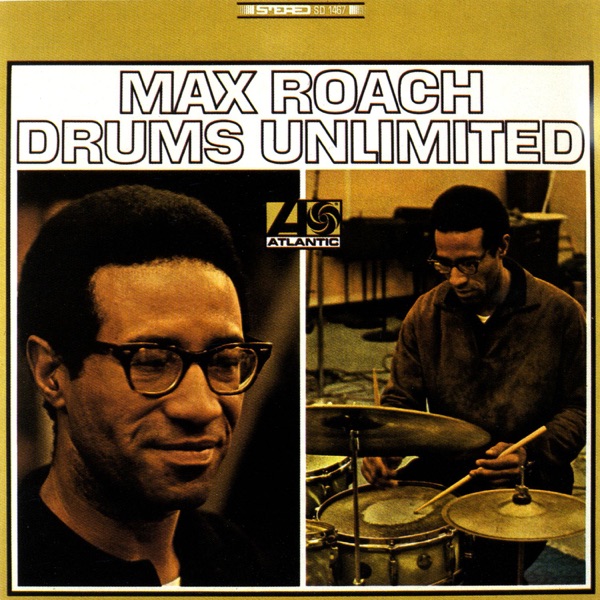
Max Roach
Drums - United States - Bebop, Hard Bop, Free Jazz
Max Roach didn't just keep time—he reinvented what drums could say in jazz. As a bebop pioneer and relentless innovator, he transformed the kit from a timekeeping instrument into a conversational voice equal to any horn, wielding brushes and sticks with compositional precision. His restless curiosity drove him across decades of musical evolution, from hard bop sophistication to politically charged free jazz.

Sonny Rollins
Tenor Saxophone - United States - Hard Bop & Modal Jazz
Sonny Rollins is the saxophone colossus whose improvisational prowess and harmonic sophistication redefined what the tenor could express. With an uncompromising approach to melody and a willingness to deconstruct standards into their essential components, he became one of jazz's greatest composers and interpreters. His career spans seven decades of relentless innovation, from bebop's early days to contemporary explorations.
♫
Aldo Romano
Drums - Italy/France - Free Jazz & Post-Bop
Aldo Romano is one of those musicians who seemed to be everywhere in European jazz without ever becoming a household name outside it. He started out playing guitar as a kid obsessed with Django Reinhardt, switched to drums, and ended up as the rhythmic engine behind some of the most important French and Italian jazz records of the last sixty years.
♫
Joe Sample
Piano - United States - Soul Jazz / Jazz Fusion
Joe Sample spent his career proving that jazz didn't have to choose between the church, the juke joint, and the radio. He co-founded The Crusaders, turned the Fender Rhodes into something warm and human, and helped write the blueprint for what smooth jazz would later water down.
♫
Woody Shaw
Trumpet - USA - Post-Bop / Modal Jazz
Woody Shaw was doing things on the trumpet in the 1970s and 80s that almost nobody else was even attempting — reaching into whole-tone scales and quartal harmonies at a time when most of his peers were either playing it safe or chasing fusion money. He built a sound that felt genuinely modern without abandoning swing, which is a harder trick than it sounds. The tragedy is that he never quite got the recognition he deserved while he was alive, and the music still sounds ahead of its time.

Wayne Shorter
Saxophone & Composition - USA - Hard Bop to Fusion
Wayne Shorter was a tenor and soprano saxophonist whose restless compositional mind refused easy categorization across seven decades. Whether in the austere modernism of Art Blakey's messengers, the modal sophistication of Miles Davis's second great quintet, or the electrified experimentalism of Weather Report, Shorter carved a path defined by intellectual rigor and spiritual searching. His melodies were angular and unpredictable; his sound was lean and penetrating; his vision was uncompromising.

Horace Silver
Piano - United States - Hard Bop
Horace Silver was the architect of hard bop's soul, a pianist whose funky, blues-inflected touch and gift for composition made him one of jazz's most influential voices. Leading his own quintet for decades, he crafted a signature sound that balanced sophistication with accessibility, proving that serious jazz could also make you want to move.
♫
Johnny Hammond Smith
Organ - USA - Soul Jazz
Johnny Hammond Smith was the guy who could make a Hammond B-3 sound like a whole church congregation on a Saturday night. He spent the late fifties and sixties cutting greasy, blues-soaked soul jazz for Prestige and Riverside, then reinvented himself in the seventies as a funk and fusion cat for Kudu, dropping the 'Smith' along the way. Either version of him is worth your time.
♫
Jimmy Smith
Hammond Organ · USA · Hard Bop / Soul Jazz
Jimmy Smith didn't just play the Hammond B-3 organ — he essentially invented a new way of thinking about it as a jazz instrument. Before Smith arrived on the scene in the mid-1950s, the organ was considered a novelty or a church fixture; after him, it was a legitimate voice for blues, swing, and hard bop. He did this not by being subtle, but by being irresistibly powerful.
♫
Bill Stewart
Drums - USA - Post-Bop
Bill Stewart is the kind of drummer other drummers talk about — quietly, with a mixture of admiration and mild bewilderment. He came up through the Iowa jazz scene before planting himself in New York, where he became one of the most in-demand sidemen of the 1990s and beyond. His playing is conversational and unexpected without ever being showy, which turns out to be a harder trick to pull off than it sounds.
♫
Sonny Stitt
Saxophone - United States - Bebop
Sonny Stitt spent his whole career answering a question nobody asked him to answer: could you sound like Charlie Parker without actually being Charlie Parker? He got tired of the comparison fast, picked up the tenor to shake it off, and ended up one of the hardest-working, most recorded saxophonists bebop ever produced. Not the innovator, but the guy who could out-blow almost anybody on a given night.
♫
Art Taylor
Drums - USA - Hard Bop
Art Taylor was the drummer that half of New York's jazz scene called when they needed someone who could hold it together without getting in the way. He recorded on so many essential hard bop records in the 1950s and 60s that his name reads like a spine running through the whole era. Then he walked away from the music business, moved to Europe, and stayed gone for nearly two decades — which is either the most principled thing a musician ever did or the most frustrating, depending on who you ask.
♫
Blue Note Trip 2
Compilation - USA - Various Artists
This is not an artist, it's a mixtape with a record label's whole back catalog as raw material. Blue Note Trip 2 takes deep cuts from the vault and sits them next to contemporary reworkings, letting a Horace Silver groove bleed into a DJ edit without much warning. It's less a listening experience than a listening argument: that the old stuff and the new stuff were always speaking the same language.
♫
Stanley Turrentine
Tenor Saxophone - USA - Soul Jazz
Stanley Turrentine played tenor saxophone like he was telling you something important and didn't want to repeat himself. His sound was big, warm, and unmistakably his own — rooted in the blues, built for small rooms with good acoustics and people who actually wanted to listen. For three decades he made some of the most satisfying jazz records you can find, and somehow still gets underrated in conversations about the greats.

McCoy Tyner
Piano - United States - Modal Jazz, Free Jazz
McCoy Tyner was the architectural mind behind John Coltrane's most visionary recordings, a pianist whose massive hands and harmonic innovation redefined what the instrument could do in a modal context. His approach—stacked quartal chords, torrential runs, and a rhythmic independence that locked into grooves while soaring above them—became the blueprint for generations of jazz pianists. Beyond his legendary work with Coltrane, Tyner built a solo career that spanned six decades, proving himself one of the most consequential voices in post-bop jazz.
♫
Mal Waldron
Piano - USA / Germany - Post-Bop
Mal Waldron spent decades being slightly underestimated, which suited him fine — he made some of the most deliberately spare, pressure-cooked piano music in jazz. Best known for his years accompanying Billie Holiday and for writing 'Soul Eyes,' he later relocated to Europe and built a solo career that most American audiences missed entirely. What he left behind is stranger, darker, and more original than his reputation usually lets on.
♫
Cedar Walton
Piano · USA · Hard Bop / Post-Bop
Cedar Walton was one of the steadiest, most satisfying pianists in hard bop — not flashy, not trying to reinvent anything, just deeply swinging and harmonically smart. He spent decades as the guy other musicians wanted on their dates, which meant he played on a staggering number of great records before most people learned his name. When he finally stepped out front, he proved he'd been one of the best all along.
♫
Sadao Watanabe
Alto Saxophone - Japan - Contemporary Jazz
Sadao Watanabe spent decades quietly dismantling the assumption that jazz belonged exclusively to the West, building a body of work that moved freely between bebop, fusion, and African and Brazilian rhythms without ever sounding like he was making a point about it. He came up playing hard bop in Tokyo during the 1950s, eventually studied at Berklee, and returned to Japan as one of the most versatile alto saxophonists the country has produced. His sound is warm, unhurried, and surprisingly soulful — closer to Cannonball Adderley than to the cool, cerebral school you might expect from a Japanese musician navigating a foreign genre.
♫
Buster Williams
Bass - USA - Hard Bop / Post-Bop
Buster Williams has been one of the most quietly indispensable bassists in jazz for more than six decades, the kind of player whose presence on a record tells you something important before you've heard a note. He came up through the hard bop tradition, absorbed everything it had to offer, and kept moving — not chasing trends but deepening his own voice until it became unmistakable. If you've spent time with the great piano trios and post-bop groups of the late 1960s and 1970s, you've almost certainly heard him without knowing it.
♫
Matt Wilson
Drums - United States - Post-Bop
Matt Wilson plays drums like he's having the best night of his life, which is sort of the point. He's one of the few guys in jazz who can make a packed club laugh out loud and then turn around and break your heart with a ballad two minutes later.
♫
Phil Woods
Alto Saxophone - USA - Bebop
Phil Woods had the unenviable job of picking up the alto saxophone right after Charlie Parker set it on fire. He didn't try to put the fire out or start a different one — he just kept playing, for sixty years, with a tone so clean and so quick that eventually people stopped comparing him to Bird and started just listening to Woods.
♫
Niels-Henning Ørsted Pedersen
Bass - Denmark - Hard Bop / Post-Bop
There is a reason that practically every major jazz musician who came through Europe wanted NHØP on their date. He had a sound on the upright bass that was almost absurdly full — warm but articulate, fast but never cluttered — and he played with the kind of melodic instinct that made bassists who heard him feel like they needed to go back to the drawing board. He spent most of his career based in Copenhagen, which means a lot of casual listeners missed him entirely, and that is genuinely their loss.