Texas Blues Behind the Beat
Ellis grew up in Farmington, Texas, and that never really left him. Even at his most bebop-fluent, there's a country-blues looseness in his playing — a way of landing on a note slightly behind the beat that feels more like a storyteller's pause than a technical choice. He didn't sound like a New York guitarist. That was a feature, not a bug.
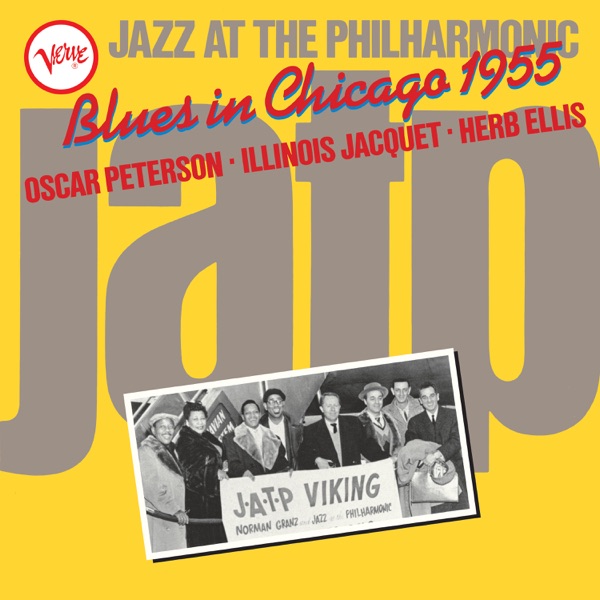
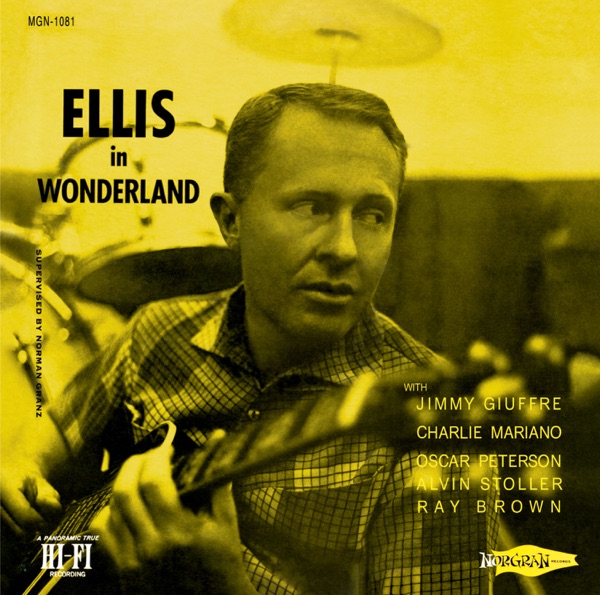
His years with the Oscar Peterson Trio, roughly from 1953 to 1958, are where most people first encounter him, and for good reason. Peterson was a force of nature, and finding a guitarist who could hang in that setting without getting bulldozed required someone with real confidence and genuine ideas. Ellis did it by playing smart — he knew when to comp, when to solo, and when to just get out of the way. The trio recordings from that period still hold up as some of the best small-group jazz on record.
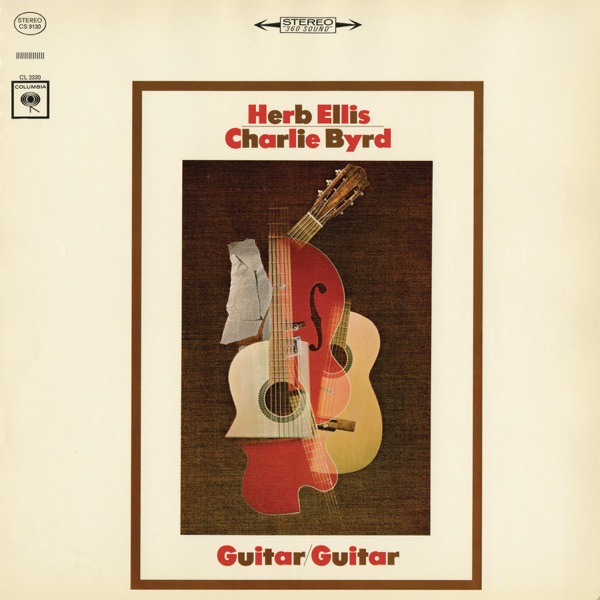
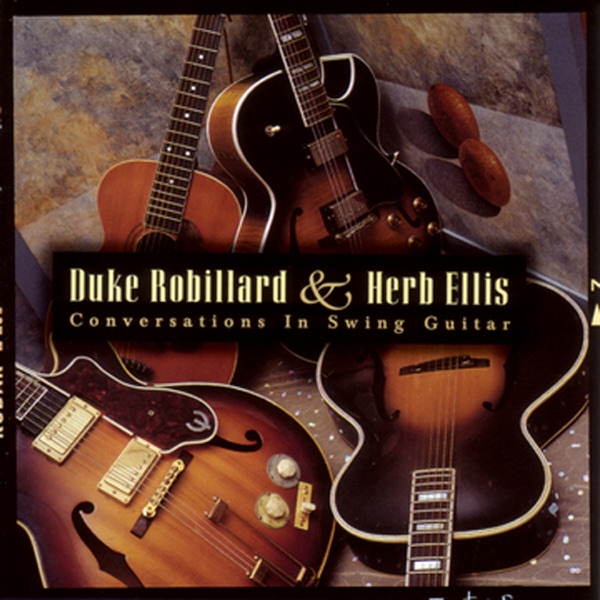
After he left Peterson, Ellis became one of the go-to session and sideman guitarists in jazz, recording with seemingly everyone. He made a string of duo recordings with fellow guitarist Barney Kessel under the name the Great Guitars, which also included Charlie Byrd — an enjoyable summit meeting of three very different stylists who happened to share a love of swing. Those records are loose and fun, the kind of thing you put on when you want jazz that doesn't demand your full attention but rewards it when you give it.
What makes Ellis worth your time specifically is his rhythm playing. A lot of guitarists sound like they're tolerating rhythm work until they get to solo. Ellis sounded like he genuinely loved comping — the way he voiced chords was earthy and full, and he had a natural feel for where a chord lands in relation to the beat that came straight out of the blues. His single-note lines were clean and direct, never cluttered. He wasn't trying to impress you with speed. He was trying to make the music feel good, and it almost always did.
Nothing Like the Blues (1960), recorded for Verve, is a good place to start if you want to hear what Ellis sounds like when he's fronting his own session. It's blues-forward, Texas-flavored, and completely unpretentious. He sounds like a guy playing exactly what he wants to play, which in jazz is sometimes rarer than you'd think.