The Quiet Man Behind Bossa Nova
Charlie Byrd studied classical guitar seriously, the kind of training that involves Bach and Segovia, not blues scales and bar chords. That background shaped everything he did later. When he played jazz, he did it on a nylon-string acoustic guitar, fingerpicking instead of flatpicking, often in a trio setting without drums pushing things along. It's a different texture than most jazz guitar — softer, more intimate, closer to a classical recital than a nightclub.
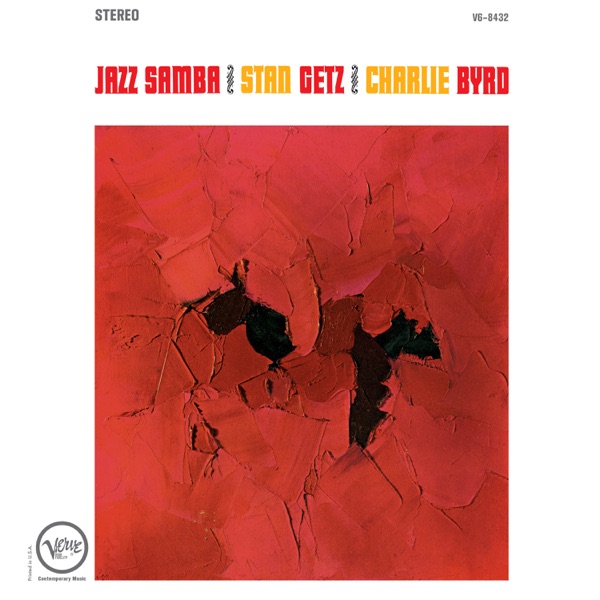
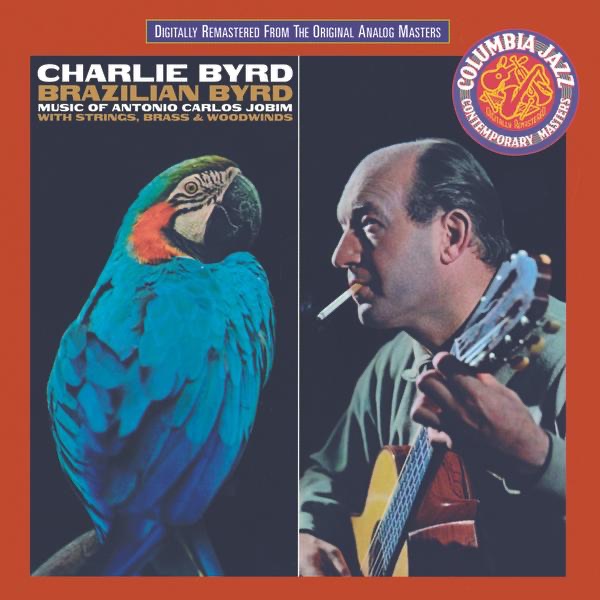
In 1961 Byrd went on a State Department goodwill tour through South America, and in Brazil he heard bossa nova up close — João Gilberto, Antônio Carlos Jobim, that whole scene. He came home with records nobody in the US had heard yet and convinced Stan Getz to record some of this material with him. The result was Jazz Samba (1962), and it was a genuine phenomenon — the single "Desafinado" actually charted, which almost never happens for an instrumental jazz record. Byrd's guitar is all over that album, understated and exact, letting Getz's tenor float on top while he kept the rhythm honest underneath.
Here's the part that gets lost: Byrd didn't really get to stay in the spotlight. There was a dispute over credit and royalties with Getz afterward, and the commercial story of bossa nova in America ended up centering on Getz and later Astrud Gilberto rather than the guy who brought the records home in his suitcase. Byrd kept playing anyway — classical recitals, trio dates, duo records with Laurindo Almeida, all without much bitterness that made it into the music itself.
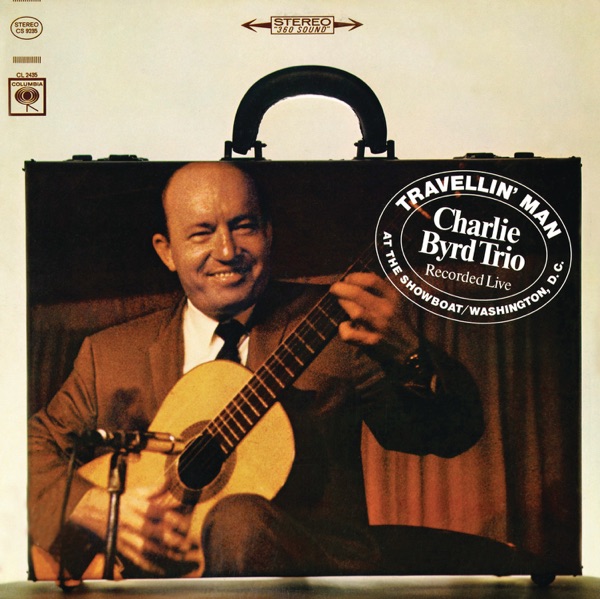
What you actually hear on a Byrd record is restraint. He wasn't chasing flash or speed. He liked clean lines, warm tone, a kind of conversational phrasing that never oversells itself. If you put on one of his trio records expecting fireworks you'll be a little confused — it's closer to chamber music with a swing feel. That's the appeal. He proved you could bring a classical guitarist's discipline into jazz without losing the groove, and that bossa nova didn't need to be exoticized to work for American ears — it just needed someone who respected the source material enough to play it straight.
Byrd spent most of his career based around Washington, D.C., running his own club for a while and staying loyal to the acoustic guitar long after most jazz guitarists had plugged in. He wasn't an innovator in the sense of inventing a new language — he was more of a translator, someone who heard something good happening somewhere else and had the skill and patience to bring it across intact.