When Jazz Met the Samba Beat
Getz found the perfect partner in bossa nova, and both were forever changed by the meeting.
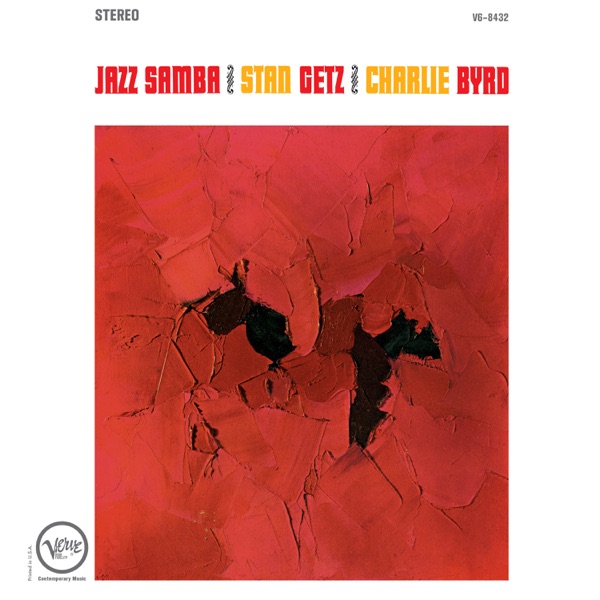
Stan Getz had already spent years perfecting his tenor saxophone sound—cool, direct, never overplaying—when he encountered the rhythms of Brazil. Jazz Samba (1962) captures that collision at exactly the right moment, when both jazz and bossa nova were ready to meet halfway. The album doesn't feel like an American trying to fake Brazilian music or vice versa. Instead, it's two genuine traditions recognizing something in each other.
What makes this record work is how unfussy it sounds. Getz's tone remains characteristically crisp and melodic, but now there's a lightness to the arrangements that keeps everything moving forward without strain. The rhythm section locks into those samba grooves with the kind of ease that suggests they'd been playing this music their whole lives. Tracks like the title track and "Desafinado" became touchstones—people actually bought this record, played it over and over, and it became part of the popular conversation about jazz in a way most instrumental albums never do.
For Getz, this was neither a debut nor a reinvention of his core identity. He'd already established himself as a serious improviser with a beautiful sound. Jazz Samba (1962) is best understood as a pivot rather than a departure—proof that staying true to your voice doesn't mean ignoring what's happening around you. The album's genuine success came from Getz refusing to oversell the material or turn it into a novelty. He brought his intelligence and restraint to Brazilian rhythms, and the result sounds as natural as if the two had been dancing together all along.
Who's playing
Stan Getztenor saxophone
Charlie Byrdguitar
Keter Bettsbass
Buddy Deppenschmidtdrums
Bill Reichenbachdrums
Where next?
More by Stan Getz

Jazz Samba Encore! 1963

Focus 1961

Stan Getz & Bill Evans 1960
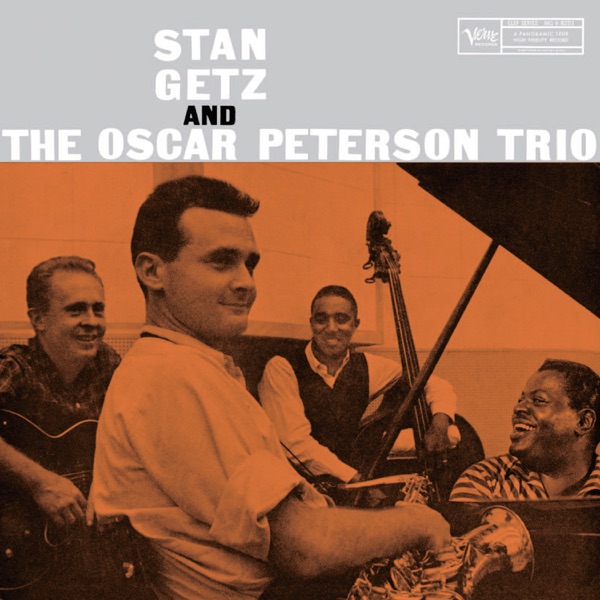
Stan Getz and The Oscar Peterson Trio 1957
The musicians on this record
Their own records, close in time