Byrd's Trio at Its Lightest and Easiest
A delightful trio outing with an adroit and light feel, catching Byrd in his element.
Charlie Byrd was still finding his voice when these sessions happened. Mr. Guitar (1962) arrived early in his career, before he became known for the bossa nova sound that would define him to wider audiences. This is Byrd in a pure jazz setting—no exotic rhythms, no fusion ambitions, just a working guitarist with Keter Betts on bass and Bertell Knox on drums, moving through standards and originals with the ease of musicians who knew each other's moves.
The trio format suits him. There's no need to compete for space, and Byrd doesn't overplay. His touch is clean, his lines inventive without being showy. The interplay with Betts and Knox feels natural, the kind of playing that comes from rehearsal rooms and small clubs rather than elaborate arrangements. The material is solid—nothing rare or experimental, but well-chosen and well-played. This is working jazz, the sort of album that justified a player's reputation among other musicians even if it didn't necessarily reach the mainstream.
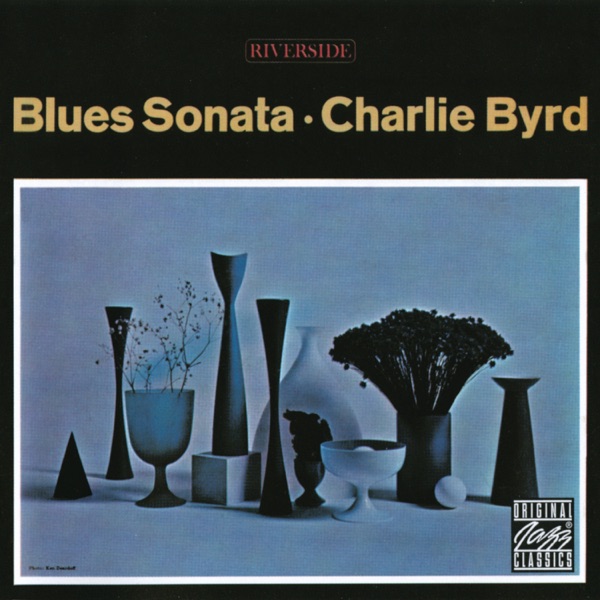
The album had a strange path to release, first appearing as Jazz at the Showboat, Vol. 3 on a local Washington imprint before Riverside picked it up and reissued it as Mr. Guitar. By then Byrd's trajectory was already shifting toward other projects. AllMusic reviewer called it "a delightful trio outing with an adroit and light feel," and that's exactly what it is—solid, unpretentious, and worth hearing if you want to understand what Byrd could do before he became a household name.
Who's playing