Where do you listen?
Choose your streaming service
inside the sleeve
Loading…
inside the sleeveITS
⌕
Read About
Tenor Saxophone - United States - Cool Jazz & Bossa Nova

Stan
Getz

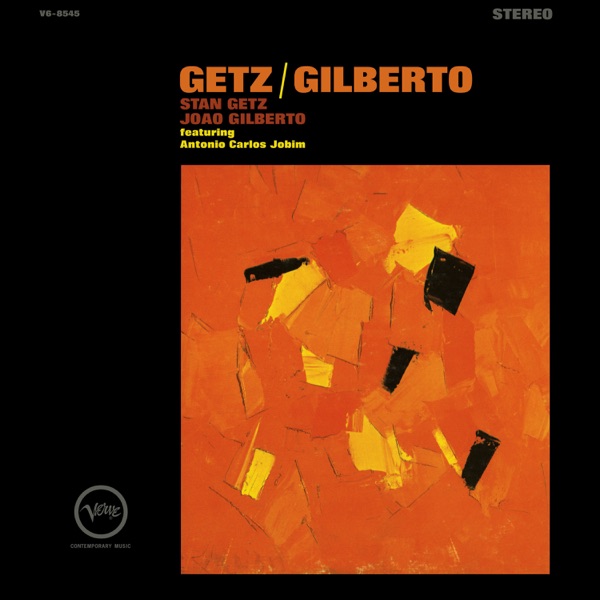
Start here Getz/Gilberto (1964) →
1927 - 1991, Philadelphia, Pennsylvania, United States

Stan Getz was the most lyrical tenor saxophonist of the cool jazz era, a master of ballad playing whose breathy, intimate tone became the sound of sophisticated restraint. He bridged the worlds of bebop and European sensibility, and later became the unlikely ambassador who brought bossa nova to American audiences, transforming a Brazilian regional style into a global phenomenon. His partnership with João Gilberto and Astrud Gilberto on "Getz/Gilberto" remains one of jazz's most commercially successful and artistically significant albums.

Cool JazzLatin Jazz
Stan Getz

The Sound of Understated Elegance

Stan Getz had a tenor saxophone sound you could pick out instantly—light, clean, and genuinely conversational. Where a lot of his peers were going for that big, aggressive tone, Getz was doing something different. He played quiet and controlled, which made him perfect for ballads and slow standards. This style showed up right away when he was playing with Woody Herman in the mid-1940s. He stood out among all those competitive soloists in the Herman Herd because of how naturally graceful his playing was.

By the 1950s, Getz became a major voice in cool jazz alongside Miles Davis, Chet Baker, and others who were tired of bebop's constant rush and intensity. The records he made for Prestige and Verve—especially Focus (1961), which had these intricate arrangements by Eddie Sauter—showed he wasn't afraid to work in bigger, more complicated settings than your standard small group. But what made it work was that he never let the arrangements take over. No matter what was happening around him, Getz stayed focused on playing beautiful melodies.

Then came 1964 and Getz/Gilberto (1964). On paper it seemed like an odd pairing, but once they started playing together, it felt completely right. Working with Brazilian pianist João Gilberto and his wife, vocalist Astrud, Getz found a musical language—bossa nova—that matched up perfectly with what he already cared about. "The Girl from Ipanema" became a huge hit, and suddenly millions of people were hearing music that was actually sophisticated and restrained. Getz didn't mind the commercial success. He understood that popular and serious music didn't have to be enemies.

His later years were tougher. Addiction and health problems got in the way sometimes, and the records weren't always consistent. But when he was at his best, playing with João Gilberto or Chick Corea, you could hear an artist still looking for new things to say with other musicians. What mattered most to him was honest musical conversation—whether that meant playing a quiet ballad or digging into the rhythm of samba. He wasn't about showing off technique. His real strength was making complicated music sound easy and natural.

Facts
BornFebruary 2, 1927, Philadelphia, Pennsylvania
DiedJune 6, 1991, Malibu, California
InstrumentTenor Saxophone
Active1943-1991
Known forCool jazz ballad playing, bossa nova ambassador, 'The Girl from Ipanema'
Connections
Woody HermanBandleader & mentor, New York
→
João GilbertoCollaborator in bossa nova fusion, Rio de Janeiro
→
Astrud GilbertoVocalist, 'The Girl from Ipanema' partner, Brazil
→
Bill EvansPianist collaborator, New York
→
Chet BakerCool jazz contemporary, West Coast
→
Miles DavisCool jazz movement peer, New York
→
Read more
GuideStan Getz at 100: making complicated music sound easyGuideAntonio Carlos Jobim at 100: more than the elevator music version

Discography

36 records
Getz/Gilberto
Getz/Gilberto
1964
♫
And the Angels Swing / Symphony Sid's Idea
1947
Billie and Stan
Billie and Stan
1954
Split Kick
Split Kick
1954
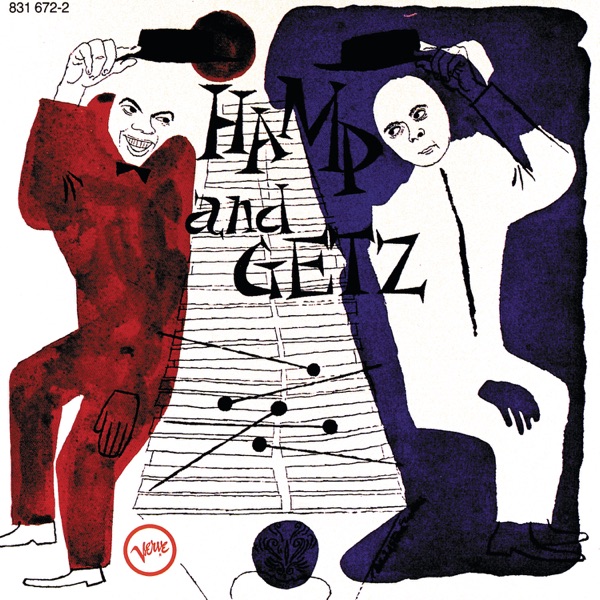
Hamp and Getz
Hamp and Getz
1955
West Coast Jazz
West Coast Jazz
1955
Diz and Getz
Diz and Getz
1955
Moonlight in Vermont
1956
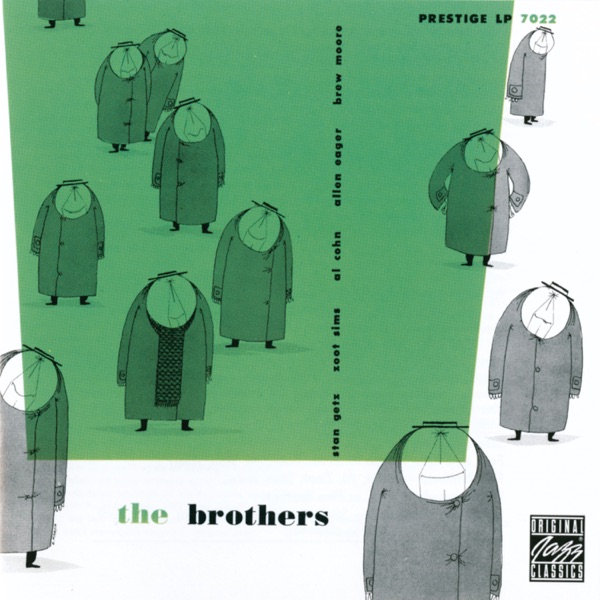
The Brothers
The Brothers
1956
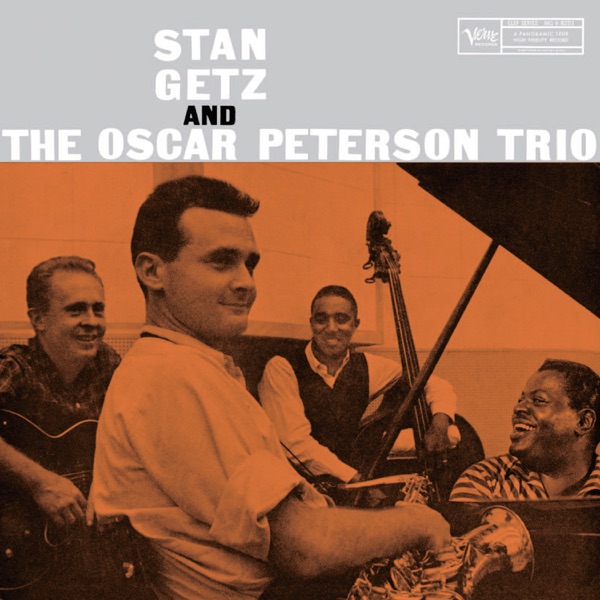
Stan Getz and The Oscar Peterson Trio
1957
For Musicians Only
For Musicians Only
1957
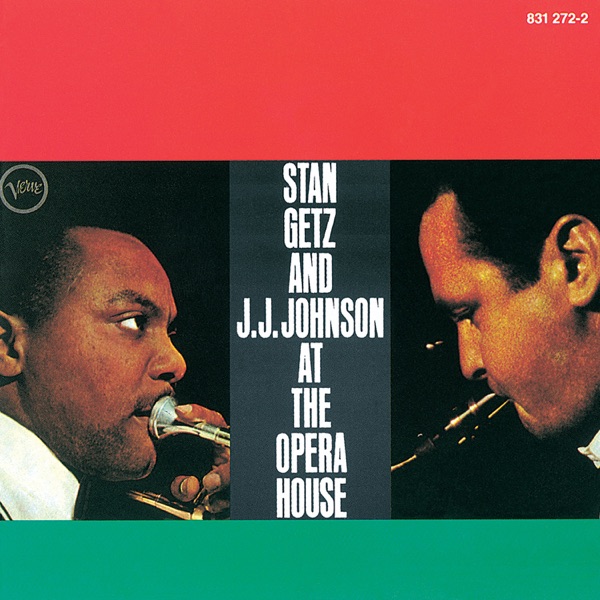
Stan Getz and J.J. Johnson at The Opera House
1957
Getz-Tjader Sextet
Getz-Tjader Sextet
1958
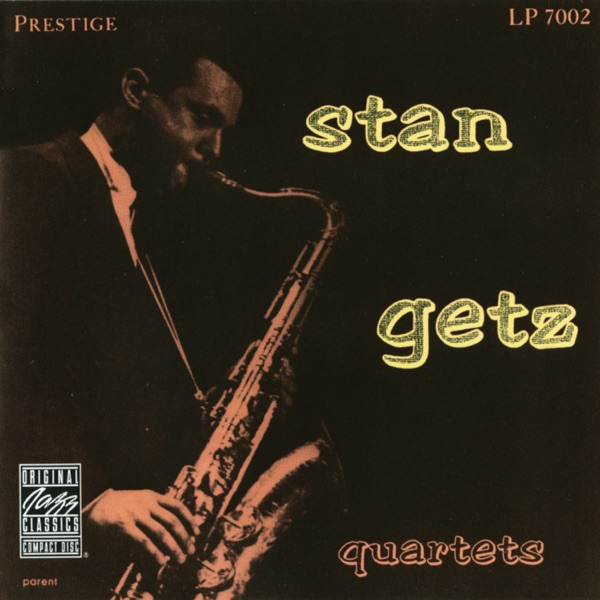
Stan Getz Quartets
Stan Getz Quartets
1959
Stan Getz & Bill Evans
1960
Recorded Fall 1961
Recorded Fall 1961
1961
Recorded Fall '61
Recorded Fall '61
1961
Cool Velvet
Cool Velvet
1961
Focus
Focus
1961
At Storyville Vol. 2
1962
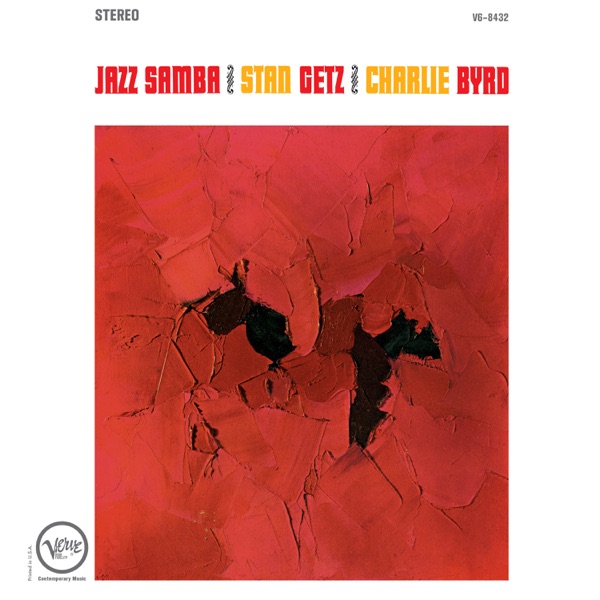
Jazz Samba
Jazz Samba
1962
Jazz Samba Encore!
Jazz Samba Encore!
1963
Stan Getz With Guest Artist Laurindo Almeida
1963
Getz/Gilberto #2
Getz/Gilberto #2
1964
Sweet Rain
Sweet Rain
1967
Captain Marvel
Captain Marvel
1975
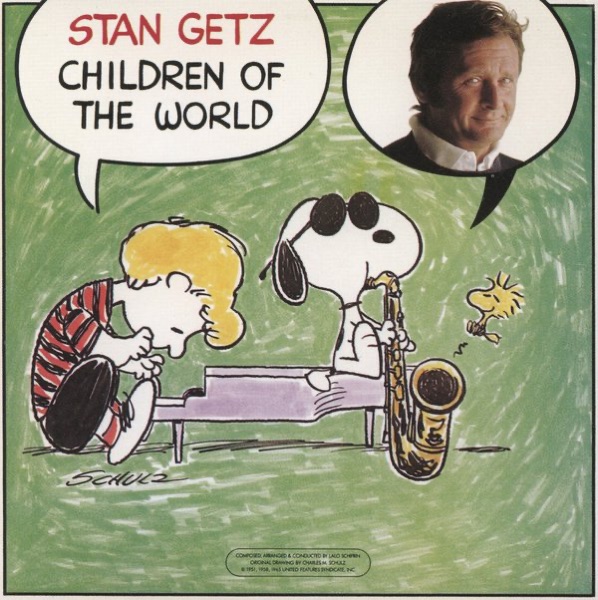
Children of the World
1978
Live At Midem '80
Live At Midem '80
1980
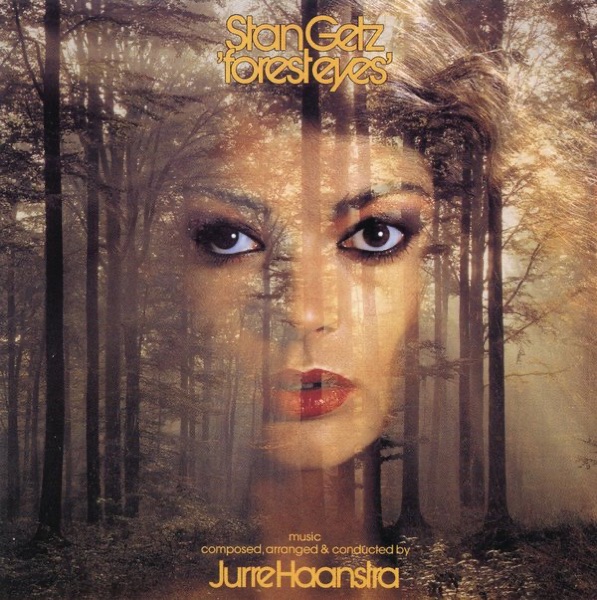
Forest Eyes
Forest Eyes
1980
Voyage
Voyage
1986
♫
A Song After Sundown (Stan Getz With Arthur Fiedler At Tanglewood)
1987
The Sound of Jazz
The Sound of Jazz
1988
In Paris Live
In Paris Live
1996
Stan Getz at The Shrine
2011
In Stockholm
In Stockholm
Line for Lyons
Line for Lyons

Collaborations

Live on Youtube

Explore Further

Selected connections
Album, 1961
Focus
Getz's most ambitious orchestral work, featuring Eddie Sauter arrangements that showcase his lyricism within complex harmonic settings.
Explore →
Album, 1964
Getz/Gilberto
The landmark collaboration that introduced bossa nova to American mainstream audiences and produced the enduring standard 'The Girl from Ipanema.'
Explore →
Saxophonist, United States
Lester Young
Direct influence on Getz's light, conversational tone and ballad sensibility; a model for sophisticated restraint in tenor playing.
Explore →
Album, 1962
Sweet Rain
An underrated gem demonstrating Getz's ability to navigate modal jazz and contemporary compositions with grace and maturity.
Explore →

Who's playing
Listen next
Recording Info
Track listing
Musicians
Further Reading
Read more

Where next?

More by this artist

Albums with the same musicians

From the same era

Similar artists

inside the sleeve
Growing
Jazz, explained without pretension.
Read · Follow the connections · Press play
Right now: 7,100+ albums · 440+ artists
Start here
New to jazz? These artists are good places to start.
Loading…
Explore
Nine records worth getting lost in.
Born today
Album of the day
A landmark record, every day.
Read
  • Loading…
Article archive →
Recently added
Purpose
Inside the Sleeve is your companion on a journey through jazz — not a textbook, but something closer to a knowledgeable friend sitting next to you while you listen. Read about an artist, press play, follow a connection, discover an album you didn't know you needed.
Suggestions
Read

Articles

Essays, guides, and lists about jazz and the records that matter.

Loading…

Genre

Key Artists
Further Reading

Essential Albums

Related Genres

In This Genre

About

Inside the Sleeve

Work in progress

Inside the Sleeve grows continuously — new artists and albums are added, essays refined, as visitors explore and our editors follow up on what they find. Content, features, and design are still evolving; use the Report error button on any page to flag something that seems off.

Content

Every artist, album, and release date on Inside the Sleeve is real — verified against trusted sources including MusicBrainz and Wikipedia. We don't invent discographies or fabricate records. AI compiles that verified information into readable prose — essays on artists, albums, and the music itself. We can't manually review every essay before publishing, but every reported error is checked by a human editor.

Inside the Sleeve is not a review site. We're not here to rate or rank — we're here to guide you in. Where an album stands out, we'll say so. Where an artist changed everything, you'll know why. But we won't tear anything down. Jazz history is complex and sources sometimes disagree — if you spot something that seems off, please report it.

Streaming

Inside the Sleeve links to Spotify and Apple Music so you can listen while you read. These are not affiliate links. For Spotify, links open a search on open.spotify.com — we do not have direct links to specific recordings. For Apple Music, direct links are used where available, otherwise a search is opened.

Your choice of streaming service is stored locally in your browser only. It is never sent to our servers.

We're working on deeper Spotify integration, including direct links to specific recordings.

Privacy

Inside the Sleeve does not collect personal data and does not use cookies. We count page visits anonymously using a self-hosted analytics tool — no personal identifiers are stored, and the data never leaves our own server. The only preference stored on your device is your streaming service choice, saved locally in your browser and never transmitted.

When you submit a suggestion or error report, the text you write is stored in our database. No name or email is required or collected unless you choose to provide one.

Third-party services

Spotify and Apple Music are independent services with their own terms of use and privacy policies. Inside the Sleeve is not affiliated with or endorsed by either company.

Support

Inside the Sleeve is free and ad-free. If you enjoy it, a coffee helps cover server costs and keeps the project going.

Amazon

Some book recommendations on Inside the Sleeve link to Amazon. Buying through these links costs you nothing extra — but Amazon pays us a small commission, which goes directly towards keeping the site running. It's a simple way to support the project if you were going to buy the book anyway.

As an Amazon Associate, Inside the Sleeve earns from qualifying purchases.

Questions or feedback? Use the suggestion box on the front page.

Inside the Sleeve — A guide for those who want to go beyond the obvious About & Privacy