Where do you listen?
Choose your streaming service
inside the sleeve
Loading…
inside the sleeveITS
⌕
Read About
Tenor Saxophone - USA - Swing / Cool Jazz

Lester
Young

1909 - 1959, Woodville, USA

Lester Young played the tenor saxophone like he was in no particular hurry, which was either deeply relaxing or deeply unsettling depending on what you expected jazz to sound like in the late 1930s. He had a tone that was lighter and airier than almost anyone else on the instrument at the time, and he used space the way other musicians used notes. Calling him 'Pres' — short for President — was Billie Holiday's idea, and it stuck, because it fit.

SwingCool Jazz
Lester Young

Cool Before Cool Had a Name

The first thing to understand about Lester Young is that he sounded wrong to a lot of people when he first came up. The reigning model for tenor saxophone in the 1930s was Coleman Hawkins — big, rich, muscular tone, lots of vibrato, harmonically dense. Young came along with something almost the opposite: a lighter, breathy sound, minimal vibrato, melodies that floated on top of the rhythm instead of pushing through it. When he auditioned for Fletcher Henderson's band in the mid-1930s, the other musicians reportedly didn't want him because he didn't sound enough like Hawkins. He didn't get the gig.

He found his footing with Count Basie's band out of Kansas City, and those mid-to-late 1930s recordings with Basie are still some of the best things he ever made. The band had a loose, bluesy swing to it that suited Young perfectly. He wasn't the kind of player who wanted to overpower a room — he wanted to float through it. Listen to almost any of his solos from that period and you'll notice how relaxed everything sounds, how he hangs back slightly on the beat, how he'll sometimes play the same note three or four times in a row just to make a rhythmic point before moving on. It shouldn't work as well as it does.

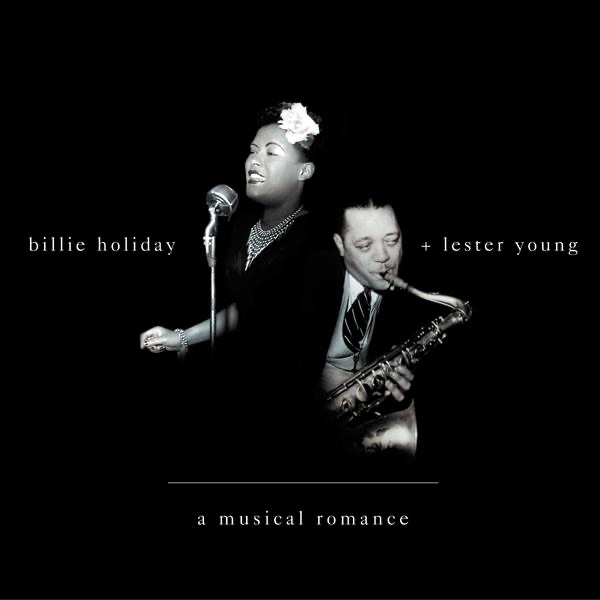
His work alongside Billie Holiday during the same period is some of the most naturally matched music in jazz. They had a rapport that you can actually hear — she phrases like him, he responds like her, and the whole thing sounds more like a conversation than a recording session. The small-group sides they made together in the late 1930s are worth tracking down if you haven't already. Neither of them is showing off, which makes the whole thing feel more intimate than almost anything else from that era.

World War II interrupted his career and did real damage to him personally. He was drafted in 1944, subjected to a court martial for marijuana possession, and spent time in a military detention barracks. By the time he came back to playing, something had shifted. The late 1940s and 1950s recordings are more uneven — sometimes he sounds distracted or tired, and the tone got a little rougher. But there are still great performances in there if you look. He was still capable of playing something quietly beautiful, and he never completely lost that signature way of sitting back inside the beat.

His influence on what came next is hard to overstate without reaching for words you shouldn't use, so let's just say this: the whole Cool Jazz movement of the late 1940s and 1950s — Miles Davis, Stan Getz, Lee Konitz, that whole relaxed, harmonically open approach — those guys were all listening to Lester Young. He figured out a way to play that didn't exist before him, and then a generation of players took it somewhere new. He died in 1959, the same year as Billie Holiday, which felt like the end of something specific and irreplaceable.

Facts
BornAugust 27, 1909, Woodville, Mississippi, USA
DiedMarch 15, 1959, New York City, USA
InstrumentTenor Saxophone, Clarinet
ActiveLate 1920s – 1959
Known forHis cool, airy tone on tenor saxophone and his recordings with Count Basie and Billie Holiday
Connections
Billie HolidayClose collaborator and mutual admirer, New York City
→
Count BasieBandleader and employer, Kansas City
→
Coleman HawkinsStylistic counterpoint, New York City
→
Read more

Discography

25 records
Lester Young Trio
Lester Young Trio
1946
Bird & Pres at JAPT
Bird & Pres at JAPT
1946
♫
Jazz At The Philharmonic The Trumpet Battle 1952
1952
Lady Be Good
Lady Be Good
1952
♫
The President (Vol. 5)
1954
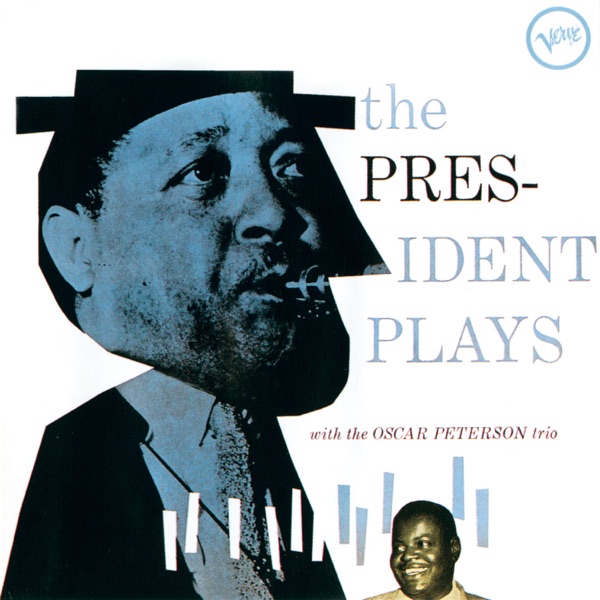
Lester Young with The Oscar Peterson Trio #1
1954
Lester Young with the Oscar Peterson Trio #2
1954
Lester Young
Lester Young
1954
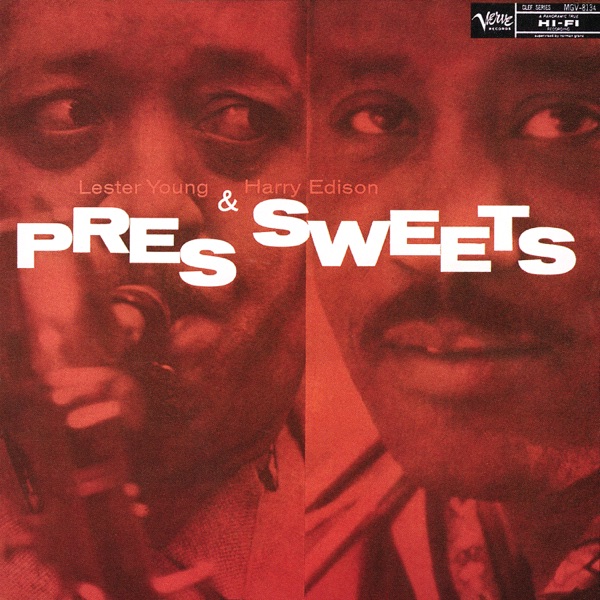
Pres and Sweets
Pres and Sweets
1955
♫
Tops on Tenor
1955
The Jazz Giants
The Jazz Giants
1956
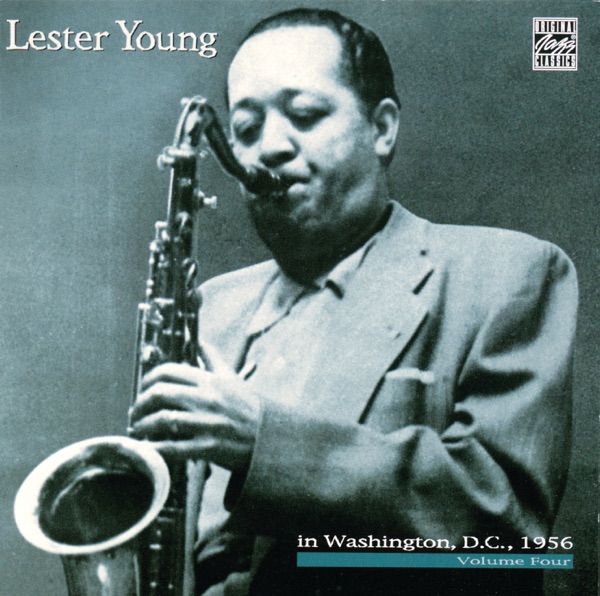
In Washington, D.C. 1956, Volume One
1956
In Washington, D.C. 1956 Volume Two
1956
Going for Myself
Going for Myself
1958
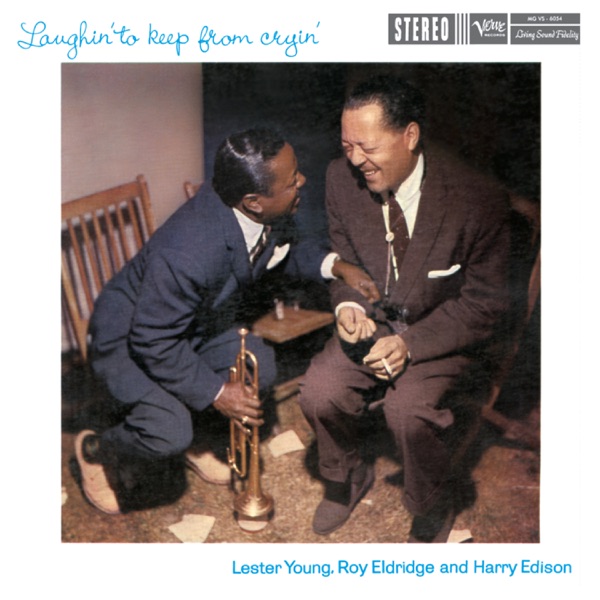
Laughin' to Keep From Cryin'
1958
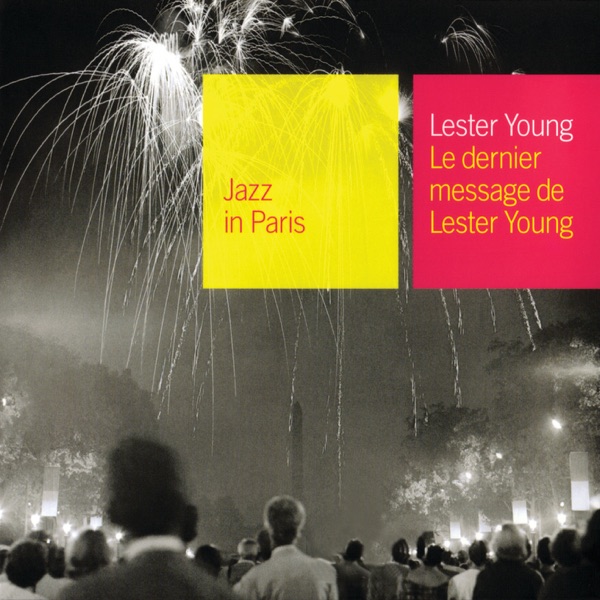
Le Dernier Message de Lester Young
1959
Live at the Birdland
1959
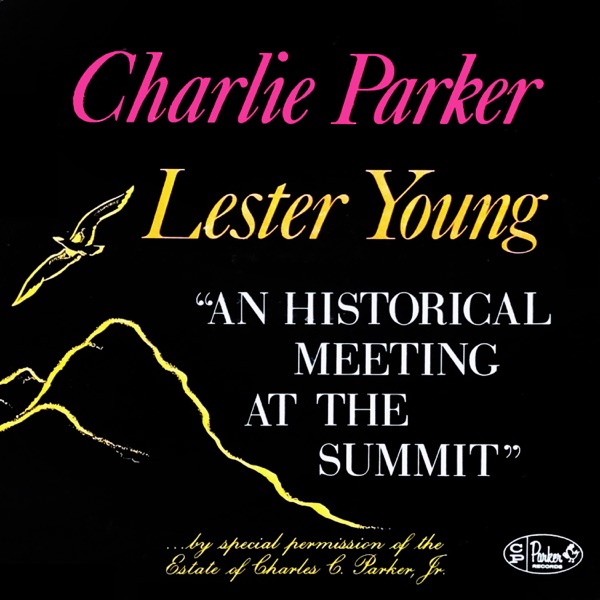
An Historical Meeting At The Summit
1961
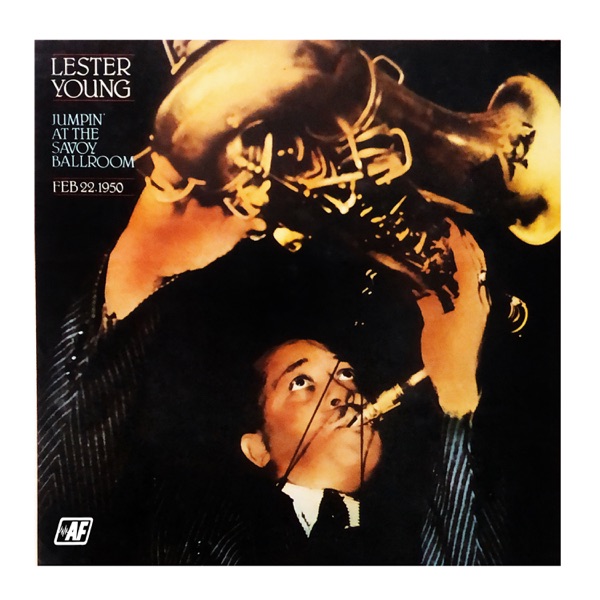
Jumpin' At The Savoy Ballroom
1984
♫
Prez Conferences
1989
♫
Ultimate Lester Young
1998
♫
Live! from the Royal Roost
2000
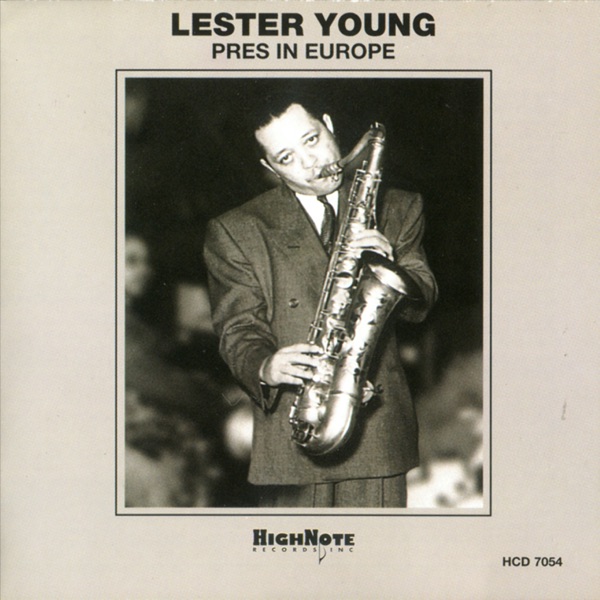
Prez In Europe
Prez In Europe
2002
Four Classic Albums (Second Set)
Dont You Know Who I Think I Am

Collaborations

Live on Youtube

Explore Further

Selected connections
Tenor Saxophonist, USA
Stan Getz
If Young's lighter, cooler approach appealed to you, Getz took that sound into the 1950s and beyond with his own lyrical spin on it.
Explore →
Album, 1937–1941
The Complete Lester Young on Verve
The small-group recordings from his peak years, including many of the Billie Holiday sessions — the place to start.
Explore →

Who's playing
Listen next
Recording Info
Track listing
Musicians
Further Reading
Read more

Where next?

More by this artist

Albums with the same musicians

From the same era

Similar artists

inside the sleeve
Growing
Jazz, explained without pretension.
Read · Follow the connections · Press play
Right now: 7,100+ albums · 440+ artists
Start here
New to jazz? These artists are good places to start.
Loading…
Explore
Nine records worth getting lost in.
Born today
Album of the day
A landmark record, every day.
Read
  • Loading…
Article archive →
Recently added
Purpose
Inside the Sleeve is your companion on a journey through jazz — not a textbook, but something closer to a knowledgeable friend sitting next to you while you listen. Read about an artist, press play, follow a connection, discover an album you didn't know you needed.
Suggestions
Read

Articles

Essays, guides, and lists about jazz and the records that matter.

Loading…

Genre

Key Artists
Further Reading

Essential Albums

Related Genres

In This Genre

About

Inside the Sleeve

Work in progress

Inside the Sleeve grows continuously — new artists and albums are added, essays refined, as visitors explore and our editors follow up on what they find. Content, features, and design are still evolving; use the Report error button on any page to flag something that seems off.

Content

Every artist, album, and release date on Inside the Sleeve is real — verified against trusted sources including MusicBrainz and Wikipedia. We don't invent discographies or fabricate records. AI compiles that verified information into readable prose — essays on artists, albums, and the music itself. We can't manually review every essay before publishing, but every reported error is checked by a human editor.

Inside the Sleeve is not a review site. We're not here to rate or rank — we're here to guide you in. Where an album stands out, we'll say so. Where an artist changed everything, you'll know why. But we won't tear anything down. Jazz history is complex and sources sometimes disagree — if you spot something that seems off, please report it.

Streaming

Inside the Sleeve links to Spotify and Apple Music so you can listen while you read. These are not affiliate links. For Spotify, links open a search on open.spotify.com — we do not have direct links to specific recordings. For Apple Music, direct links are used where available, otherwise a search is opened.

Your choice of streaming service is stored locally in your browser only. It is never sent to our servers.

We're working on deeper Spotify integration, including direct links to specific recordings.

Privacy

Inside the Sleeve does not collect personal data and does not use cookies. We count page visits anonymously using a self-hosted analytics tool — no personal identifiers are stored, and the data never leaves our own server. The only preference stored on your device is your streaming service choice, saved locally in your browser and never transmitted.

When you submit a suggestion or error report, the text you write is stored in our database. No name or email is required or collected unless you choose to provide one.

Third-party services

Spotify and Apple Music are independent services with their own terms of use and privacy policies. Inside the Sleeve is not affiliated with or endorsed by either company.

Support

Inside the Sleeve is free and ad-free. If you enjoy it, a coffee helps cover server costs and keeps the project going.

Amazon

Some book recommendations on Inside the Sleeve link to Amazon. Buying through these links costs you nothing extra — but Amazon pays us a small commission, which goes directly towards keeping the site running. It's a simple way to support the project if you were going to buy the book anyway.

As an Amazon Associate, Inside the Sleeve earns from qualifying purchases.

Questions or feedback? Use the suggestion box on the front page.

Inside the Sleeve — A guide for those who want to go beyond the obvious About & Privacy