1961 · Album
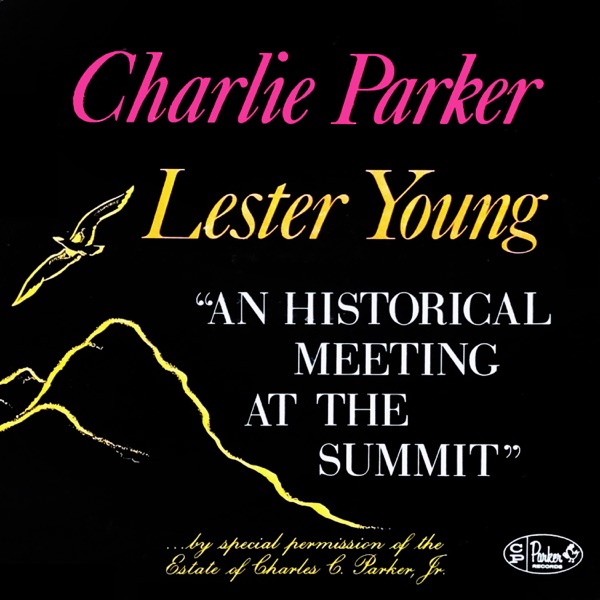
An Historical Meeting At The Summit
Recorded 1959 · Pablo / Verve (verify before printing) · Produced by Unverified — omitted to avoid error
Prez and Friends, Late in the Game
Young sounds like himself here — relaxed, unhurried, and still worth your full attention.
By the late 1950s, Lester Willis Young had already done the work that mattered most. He'd shaped how the tenor saxophone could sound — softer, cooler, less muscular than Coleman Hawkins, but no less serious. An Historical Meeting At The Summit (1959) catches him near the end of his life, and you can hear both the wear and the wisdom in equal... well, you can hear both things. The tone is thinner than his peak years, sure, but the phrasing is still his own — that particular way he'd delay a note just long enough to make you lean in.
What makes this record worth tracking down is the company. The session pairs Young with musicians who clearly respected what he'd built, and the conversations between horns are easy and unforced. Nobody is trying to outrun anyone else. The tempos stay comfortable, and that actually suits Young at this stage. When he's given space to breathe on the ballads, he's still capable of putting real feeling into a line without overselling it. He never oversold anything — that was always his thing.
This isn't a hidden masterpiece that got overlooked. It's a solid late-career document from a genuinely important figure in jazz, and it has the slightly informal quality of a session where everyone showed up ready to play but nobody was trying to make history. Sometimes that's exactly what you want. If you already know Young from his classic Savoy and Aladdin recordings, this is interesting as a comparison — a chance to hear how much of his identity survived into his final years. If you're new to him, start elsewhere, then come back here.