1959 · Album
Le Dernier Message de Lester Young
Recorded 1958 · Barclay · Produced by Eddie Barclay

Pres at the End of the Road
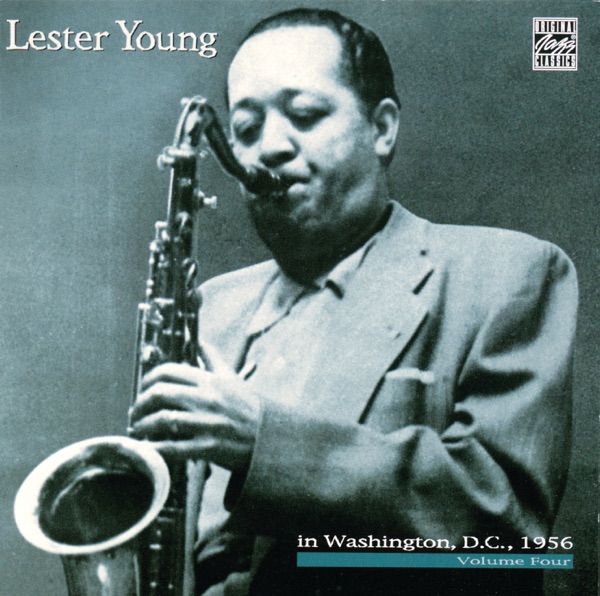
This is Lester Young near the finish line, still finding his own language on the horn.
By 1959, Lester Young had been through a lot. The Army, the breakup with Billie Holiday, years of heavy drinking, a body that was visibly wearing down. This album — recorded in Paris not long before he died — catches him in that late period where some listeners hear decline and others hear something else entirely: a saxophone voice stripped of any remaining pretense, playing exactly what it wants to play and nothing more. Whether you find that moving or just sad probably depends on what you bring to it.
Musically, Young sounds different here than on his classic Verve sides from a decade earlier. The tone is thinner, the phrases shorter, the swing a little more deliberate. But his approach is still his own — that cool, laid-back phrasing he practically invented, the way he lands notes slightly behind the beat. He was always more interested in melody than in displaying technique, and that comes through clearly here. The rhythm section supports him without pushing him around, which is the right call given where he was at this point in his life.
This isn't an album you'd hand to someone just getting into Young. Start them on the 1950s Verve recordings first — Jazz Giant (1958) or the collaborations with Holiday. Come back to this one later, when you want to hear what a musician sounds like when the armor is completely off. It's a document as much as it is a performance, and there's real value in that. Not every recording has to be a career peak to be worth your time.
Who's playing