Prez in the Nation's Capital
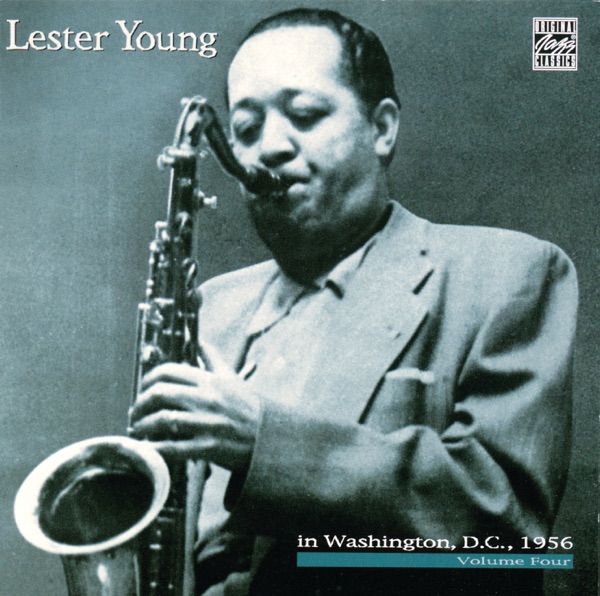
Young's tenor cuts through with that light, floating tone that made him sound like no one else.
By 1956, Lester Young was in his mid-forties and had already spent decades defining what a tenor saxophonist could do. The recordings that make up this volume capture him working in Washington, D.C., and what strikes you first is how little his approach had softened with age. His tone remains his signature — not the thick, woody sound you hear from other players, but something airier, more conversational. Young always sounded like he was telling you a story rather than showing off, and that quality is all over these tracks.
This is working-band material, the kind of date Young was doing regularly by this point in his career. He's not reinventing anything here. What you get instead is the sound of a master musician doing exactly what he'd been doing for years — finding the spaces between the notes, phrasing like a vocalist, making his instrument bend to whatever the melody needed. If you've heard Lester Young with the Oscar Peterson Trio (1953) or his earlier small-group work, you know what Young brought to a session. This Washington date is cut from the same cloth, solid and direct.
The real value of a record like this is that it fills out the picture of what Young was actually doing in the mid-1950s, away from the more famous sessions and studio dates. These aren't the recordings that launched his reputation, and they're not his peak work from the 1940s either. They're a snapshot of a musician in his element, still commanding the bandstand, still making choices that sound completely natural. For Young completists, this is essential. For casual listeners, start with his earlier Blue Note recordings instead.
Who's playing