1963 · Album
Night Train
Recorded December 1962 · Verve Records · Produced by Norman Granz

Midnight Grooves on the Main Line
Peterson swings hard, plays blues with conviction, and makes it all sound effortless.
Oscar Peterson could play faster than almost anyone, but Night Train (1963) shows why speed was never the point. This is Peterson at his most direct: blues, swing and groove, with every note in service of the rhythm.
It also captures one of his greatest trios. Ray Brown's bass is the engine, driving the music forward beneath the piano, while Ed Thigpen brings a remarkable lightness to the drums — brushwork and small accents that turn timekeeping into conversation. The three sound relaxed but never casual.
The title track sets the tone with an earthy, almost boogie-like groove. Peterson could fill a room with dazzling runs; here he shows that a strong rhythm, a memorable phrase and the right touch say just as much. The same goes for "Bags' Groove" and "Moten Swing" — familiar repertoire made to feel alive through timing and phrasing, controlled but never stiff.
The emotional center is "Hymn to Freedom," Peterson's own composition, written in the early 1960s amid the civil rights movement. Its stately, hopeful melody stands apart from the blues around it, yet fits the album's spirit: music that uplifts and speaks beyond technique.
That is what makes Night Train a landmark. It became one of Peterson's best-loved records, the definitive portrait of the Brown–Thigpen trio, and the first recording of "Hymn to Freedom," a piece that would take on a life of its own as an anthem of the era. For newcomers it is one of the best ways into Peterson's music; for longtime listeners, a reminder of why his playing still sounds so joyful and alive.
Who's playing
Where next?
More by Oscar Peterson
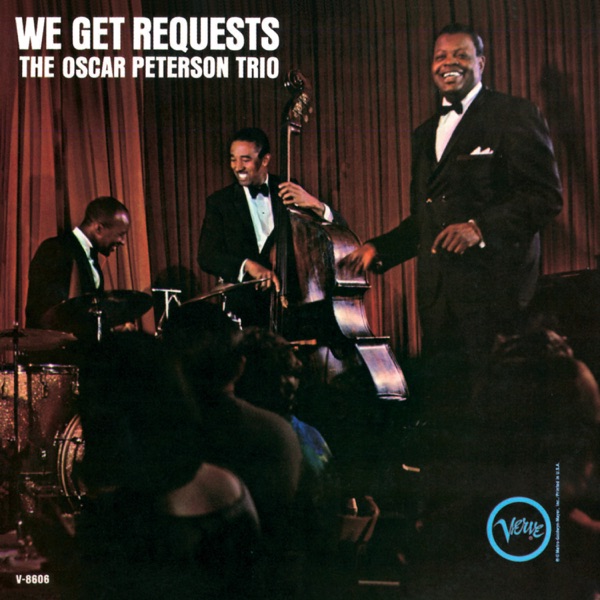
We Get Requests 1964
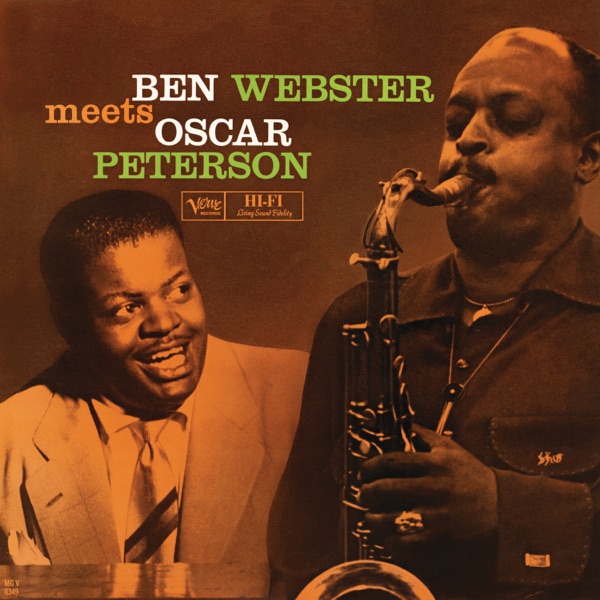
Ben Webster Meets Oscar Peterson 1959

Oscar Peterson Plays The Cole Porter Songbook 1959
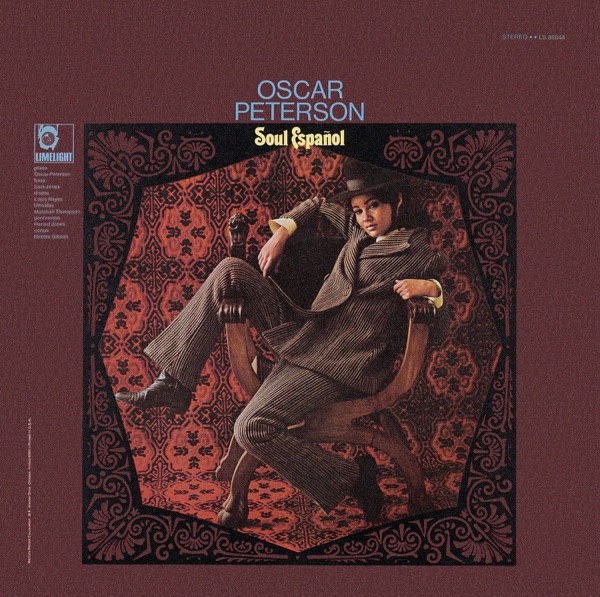
Soul Español 1966
The musicians on this record
Their own records, close in time



