When Jazz Met Spanish Guitar
Peterson proves the piano and Spanish rhythm can speak the same language without pretense or strain.
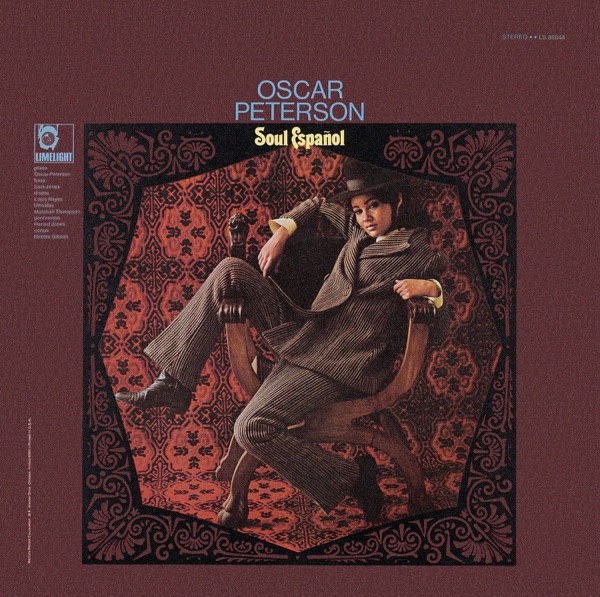
Soul Español finds Oscar Peterson in an experimental mood, stepping away from his usual trio format to explore what happens when you mix Latin rhythms with bebop sensibility. This isn't Peterson trying to become a Latin bandleader—he's too smart for that. Instead, he's asking a straightforward question: can the piano and Spanish guitar find common ground? The answer, mostly, is yes.
What makes this record work is that Peterson doesn't overdo it. The Spanish elements aren't window dressing or exotic flavoring sprinkled on top of standard changes. The rhythms burrow into the arrangements themselves. You hear it in how the tempos breathe differently, how the piano lines interact with the percussion in ways that feel fresh for Peterson's usual vocabulary. There's a relaxed quality here that's different from his trio work—less about proving how fast his fingers can move, more about serving the song. Some tracks click immediately; others feel like Peterson's still figuring out the territory, which is fine. Not every experiment needs to become a signature sound.
In Peterson's catalog, this sits somewhere between his mainstream successes and his more restless explorations. It's not essential—if you want to understand Peterson at his peak, you're better off starting with his trio recordings. But if you already know that territory and want to hear him genuinely curious, genuinely trying something different without apology, Soul Español rewards the listen. It's a working musician's album, not a defining one, but that's worth something.
Who's playing