The Measure of Technical Perfection
Oscar Peterson showed up at the piano with advantages that honestly seemed unfair: perfect pitch, technique that made difficult things look simple, and a mind sharp enough to understand exactly what Art Tatum was doing harmonically while still sounding completely like himself. He grew up in Montreal in a musical family, studied classical music seriously, then discovered jazz and never looked back. When Norman Granz heard him play in 1949, he knew immediately—this wasn't just someone with fast fingers, this was a complete musician who could hold his own with anybody in jazz.
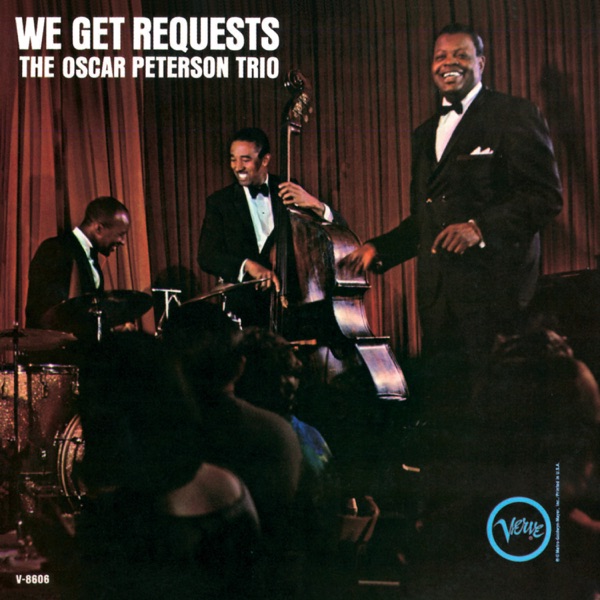
What made Peterson special wasn't that he reinvented the wheel. It was that he played so well it changed what people thought was possible. His trio with Ray Brown on bass and Herb Ellis on guitar—later Louis Hayes and others—became the gold standard. You could hear every note clearly, and the whole thing swung hard. When he played a standard, he respected what the composer wrote, left room for the other players, but then rewrote the harmony and melody in ways that felt completely fresh. He never sounded like he was showing off.
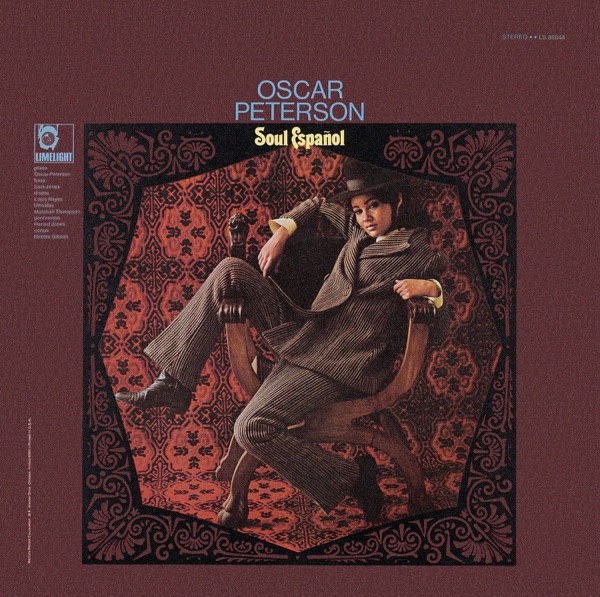
The number of albums he recorded as a leader—over 200—is almost hard to believe, and the crazy part is he didn't phone it in. Whether he was backing Ella Fitzgerald, trading solos with Roy Eldridge, or just playing blues, Peterson brought the same seriousness. His left hand swung like a bass player's groove, and his right hand made every phrase sound exactly right.
A stroke in 1993 slowed him down physically, but he kept playing anyway. He adapted and kept going, which says everything about how deeply music was part of who he was. Every serious pianist today still measures themselves against Oscar Peterson. He proved you could be technically perfect and still play with real feeling—those things aren't opposites.