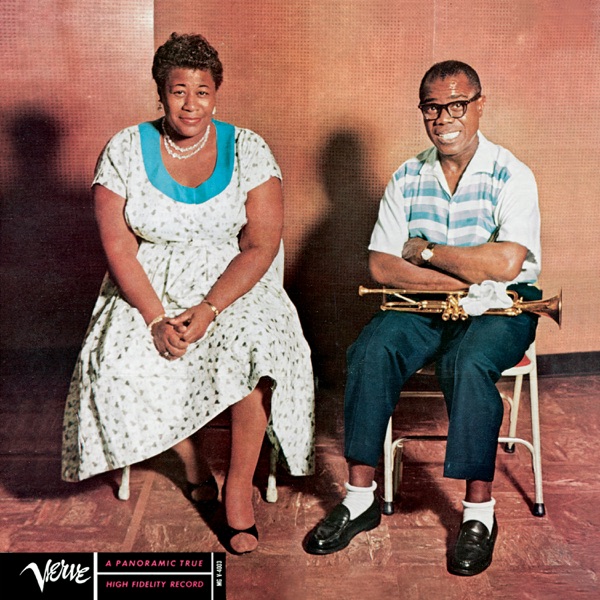
The Voice That Defined Jazz
When Ella Fitzgerald walked onto the stage at the Harlem Opera House in 1934 as a nervous teenager, nobody saw it coming—that voice of hers would become the most recorded and most loved in jazz history. From her early days singing with Chick Webb's orchestra through her years with Norman Granz's Jazz at the Philharmonic, Ella had this gift that was almost hard to explain: she knew exactly how to phrase a melody, hit the right notes, and make a song swing. Her voice wasn't flashy or obviously beautiful, but it was so clean and warm that listening to even a simple line from her felt like the only way it could possibly be sung.
What really set Ella apart was her scat singing. Most singers treated it as a gimmick, but Ella treated it like real music-making. She'd trade rapid-fire improvised lines with piano and horns, and she understood harmony so well that she sounded like an instrumentalist. The crazy thing was, technique never got in the way of what the song actually meant. She always served the music first.
When she recorded those songbook albums with Ellis Larkins and the Oscar Peterson Trio, she basically rewrote the rulebook for how you sing the American songbook. Working through the catalogs of Cole Porter, the Gershwins, Irving Berlin, and Duke Ellington, she found things in those melodies that singers before her had barely touched. She could swing a slow ballad, find the humor in a lyric, keep her pitch perfect while navigating tricky chord changes—everything people wanted a jazz singer to do, she did better than anyone else.
But here's what made Ella special beyond just technical skill: she was generous with other musicians. She actually listened to who she was playing with, fed off their energy, and made room for them to do their thing. Singing duets with Louis Armstrong, trading lines with Roy Eldridge, doing scat exchanges—she made everyone sound better. That kind of spirit, plus the fact that she just worked constantly and stayed humble about it, earned her respect that went way beyond the jazz world.
When you add it all up, Ella changed what was possible for a female jazz singer. She proved you could be technically perfect and emotionally honest at the same time. And with thousands of recordings out there, she basically created a record of American popular song and jazz singing that nobody's ever topped. Every jazz singer after her has had to deal with the standard she set. She's still teaching people today.