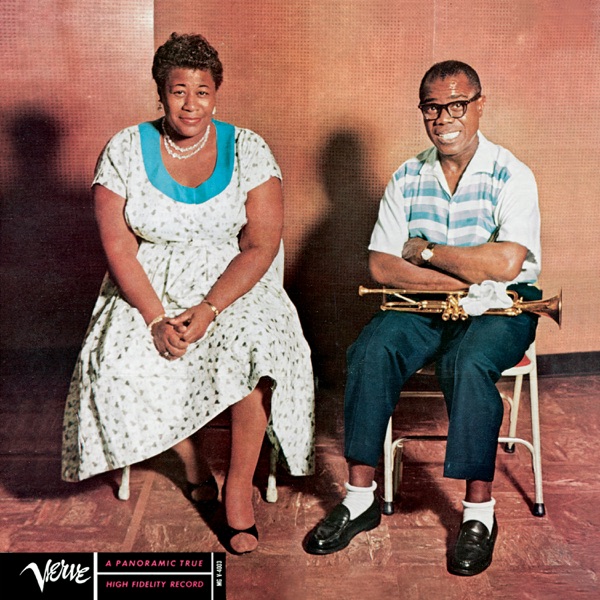
1955 · Album
Sweet and Hot
Recorded Early 1950s · Decca Records · Produced by Not specified

Early Recordings Find New Life on Vinyl
Ella's voice cuts through these early-fifties sides with the confidence that would define her career.
Sweet and Hot arrived in 1955 as a tidy repackaging of material Ella had recorded years earlier for Decca, back when she was still finding her way as a solo artist. These weren't fresh sessions — the tracks had already lived their first life on 78s — but bundling them together gave the work a second chance at an audience. It was solid professional work, the kind of album that moved copies without setting anyone on fire, neither a breakthrough nor a dead end.
What you hear across these sides is Ella in the early 1950s: a vocalist who could swing hard over a tight section, backed by musicians like Buddy Cole on piano and a front line that includes Ziggy Elman on trumpet. The band cooks without pretense. These aren't ballad showcases or sophisticated arrangements — they're straightforward, energetic recordings where Ella's voice is the instrument that matters most. She phrases with natural swing, never pushing, never strained. The rhythm section keeps time and stays out of the way, which is exactly the point.
This is not where most listeners start with Ella, nor should it be. By 1955 she was already making far richer material elsewhere. But Sweet and Hot has value for anyone curious about how she sounded before her later, more celebrated work: a glimpse of a young vocalist with genuine ease and phrasing already in place, doing what she was asked to do and doing it well.
Who's playing
Phil Stephensdouble bass
Buddy Colepiano
Perry Botkinguitar
Warren Bakersaxophone
Dave Harrissaxophone
Matty Matlocksaxophone
Ziggy Elmantrumpet
Bobby Guytrumpet
Red Nicholstrumpet
Joe Howardtrombone
Wendell Mayhewtrombone
Ted Veselytrombone
Nick Fatooldrums