
Ella Sings Gershwin, Volume One
The Gershwin songbook gave Ella Fitzgerald a set of melodies she could bend into anything.
I'd place this record among Ella Fitzgerald's essential Verve-era songbooks, the series that defined how a large audience would hear the Great American Songbook for decades. Coming after the Cole Porter and Duke Ellington volumes, it's a natural continuation of that project, and for many listeners it's the first place they encounter her interpretive control at full stretch. If you want one entry point into the songbook series, this is a strong candidate alongside the Ellington set.
The Gershwin material suits her well. Songs like "Someone to Watch Over Me" and "They Can't Take That Away from Me" give her room to phrase slowly and then push the rhythm forward with a clean, confident swing. Her diction is precise without being fussy, and she rarely sounds like she's showing off, even when the scatting and vocal runs are at their most dazzling. The arrangements, handled by Nelson Riddle in the orchestral context, keep the backing supportive rather than overwhelming, which lets the voice carry the melodic shape of the tunes.
The record was well received when it appeared, and critics have generally treated it as one of the stronger entries in the series. It isn't the most adventurous album in her catalogue, but it does exactly what it sets out to do: it makes a body of classic songs feel fresh, and it shows why Fitzgerald became the default interpreter of this repertoire for so many listeners.
Who's playing
Joe Mondragonbass
George Robertsbass trombone
Paul Smithpiano
Herb Ellisguitar
Ted Nashalto saxophone
Cappy Lewistrumpet
Vito N. Manganotrumpet
Dale McMickletrumpet
Shorty Sherocktrumpet
Milt Bernharttrombone
Richard Noeltrombone
Pullman “Tommy” Pedersontrombone
Alvin Stollerdrums
Frank Flynnpercussion
Nelson Riddle and His Orchestraperformer
Victor Bayviolin
Alex Bellerviolin
Buddy Collettewoodwind
Vincent DeRosaFrench horn
Alvin Dinkinviola
Jacques Gasselinviolin
James Getzoffviolin
Ben Gillviolin
Stanley Harrisviola
Armand Kaproffcello
Murray Kellnerviolin
Harry Kleewoodwind
Joe Kochwoodwind
Kurt Rehercello
Nathan Rossviolin
Eudice Shapiroviolin
Barbara Simonsviola
Eleanor Slatkincello
Felix Slatkinviolin
Marshall Sossonviolin
Champ Webbwoodwind
Where next?
More by Ella Fitzgerald

Wishes You a Swinging Christmas 1960
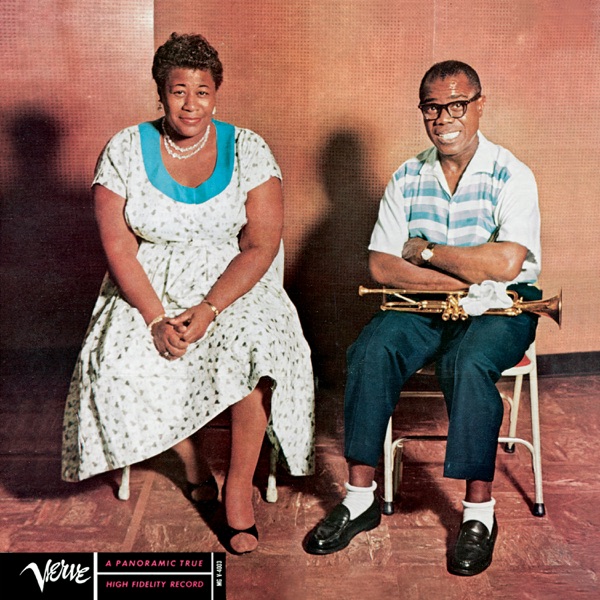
Ella and Louis 1956

Ella Fitzgerald Sings the Rodgers and Hart Song Book 1956

Ella And Louis Again 1957
The musicians on this record
Their own records, close in time


