1929 · Album
The Joint Is Jumpin'
Recorded 1936–1940 · Bluebird / RCA · Produced by Steve Backer

When the Piano Man Made Everybody Dance
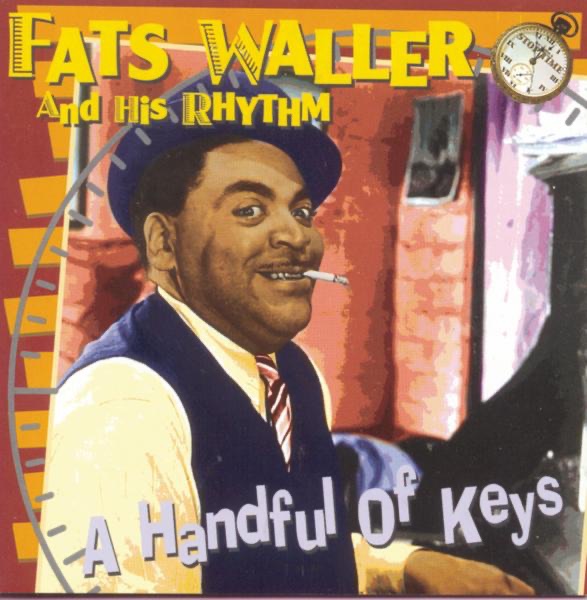
Pure joy distilled into swing — [Fats Waller] at his most infectious and alive.
Here's the thing about Fats Waller — he was genuinely funny, genuinely swinging, and genuinely talented all at once, which is rarer than it sounds. The Joint Is Jumpin' (1929) catches him at a perfect moment, when he was proving himself as a recording artist while the stride piano was still king and the small-group swing sound was just beginning to take shape. This isn't a concept album or a carefully constructed statement; it's a session that captures what happened when Waller sat down with a piano, some horns, and the freedom to have a good time.
The title track is the obvious centerpiece — a genuine crowd-pleaser that sounds less like a recording and more like someone actually captured the sound of a packed speakeasy. Waller does most of the heavy lifting here, his piano work both virtuosic and playful, never showing off in a way that kills the mood. The rhythm section locks in tight, and there's a looseness to everything that suggests these musicians genuinely enjoyed being in the room together. What makes this session stick is how Waller balances technical skill with pure entertainment value. He's not trying to prove anything; he's just making music that swings and makes people want to move.
This record sits right at a crossroads in jazz history, and that's partly why it matters so much. It's not Waller's most experimental work, and it's not his most technically ambitious either. But it's the one that most clearly shows why people loved him — the infectious energy, the ability to make a piano sound like it's laughing, the sense that jazz could be serious music and pure fun at the same time. If you want to understand why Fats Waller remains central to how people think about jazz piano and swing, this is where to listen.
Who's playing
Fats Wallerpiano, solo