1934 · Album
Classic Early Solos (1934-1937)
Recorded 1934–1937 · Decca · Produced by Not documented

The Hand Alone: Tatum's Solo Mastery
These solos show Tatum doing what few pianists could: making one instrument sound like an entire orchestra.
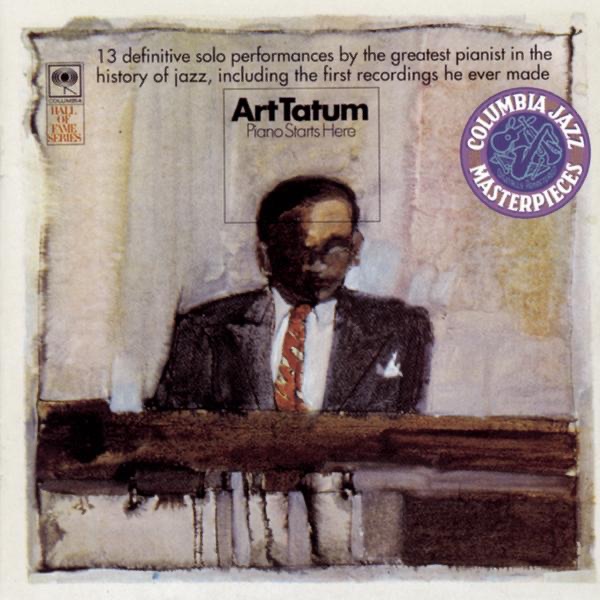
Art Tatum recorded these solos during a period when the piano could dominate a session entirely—no need for a band, no need for anyone else. This was the mid-1930s, and Tatum was already rewriting what a jazz pianist could do with two hands and a keyboard. What you hear on these tracks is control bordering on the suspicious: runs so clean they sound digitized, harmonic substitutions that make the changes shimmer and shift, and a touch so responsive that you can hear exactly where his fingers land.
The thing about solo piano is it exposes everything. There's nowhere to hide, no rhythm section to carry you, no horn player to take pressure off a shaky moment. Tatum thrived in this naked format. His left hand moved like a bassist and drummer compressed into one, while his right hand inventoried every possible melodic and harmonic idea that could fit inside a standard. He could play stride, swing hard, quote other songs mid-phrase, and shift the entire mood of a tune in a few bars. The recordings from this Decca period show a pianist at his most fertile, still young enough to take risks, accomplished enough to execute them flawlessly.
If you're new to Tatum, these early solos are the logical place to start. They're less ornate than some of his later work, more direct in their swing. You can follow his thinking—hear the melody, hear the invention, hear the joy. They sit early in his catalog, from the years before he recorded for Norman Granz, before the airhecks and informal sessions that would later expand his legacy. These are the commercial recordings that established his reputation, and they still deliver the goods: a pianist at work, thinking in real time, finding something new in every chorus.
Who's playing
Art Tatumpiano
Where next?
More by Art Tatum
All 10 albums →