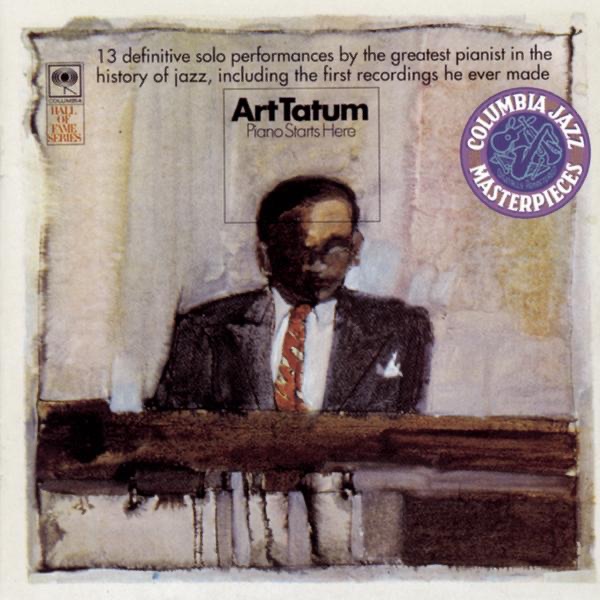
The Pianist at Full Command of His Instrument
Tatum alone at the keyboard, showing exactly why musicians couldn't stop talking about what he could do.
Piano Starts Here is Tatum doing what made other musicians shake their heads — sitting down and playing the piano like almost no one else could. These are solo recordings, just him and the instrument, no one else to hide behind or lean on. That's the whole point. You get to hear the full range of what he'd developed by this stage of his career: the stride foundations he built on early on, yes, but more importantly all the things he'd added on top of that — the reharmonization, the unexpected chord changes, the way he could shift between different harmonic spaces and make it sound inevitable rather than jarring.
What strikes you listening is how much is happening at once. His left hand isn't just keeping time; it's moving through bass lines and chord voicings that are genuinely complex. His right hand is playing melody, counterpoint, filling in spaces with runs and flourishes that don't feel like showing off because they're always in service to the music itself. On some tracks he's working through jazz standards, and you hear how thoroughly he's thought through each one — not just learning the tune but completely reimagining its harmonic possibilities. The speed is there when he wants it, but that's almost beside the point. What matters is the control, the clarity even when things get intricate, and the ability to make the piano sound like more than one instrument at a time.
This is essential Tatum, maybe the place to go if you want to understand why Arthur Tatum Jr. mattered so much to the musicians around him. Solo piano can feel limited — just one person — but in his hands it becomes a full conversation with himself, exploring every corner of what the instrument could express.
Who's playing
Art Tatumpiano, solo
Where next?
More by Art Tatum
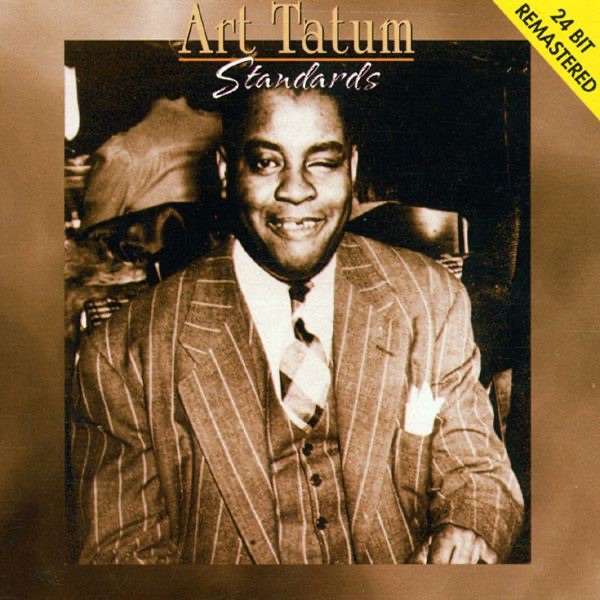
Standards 1953

Classic Early Solos (1934-1937) 1934
The Complete Pablo Solo Masterpieces 1958
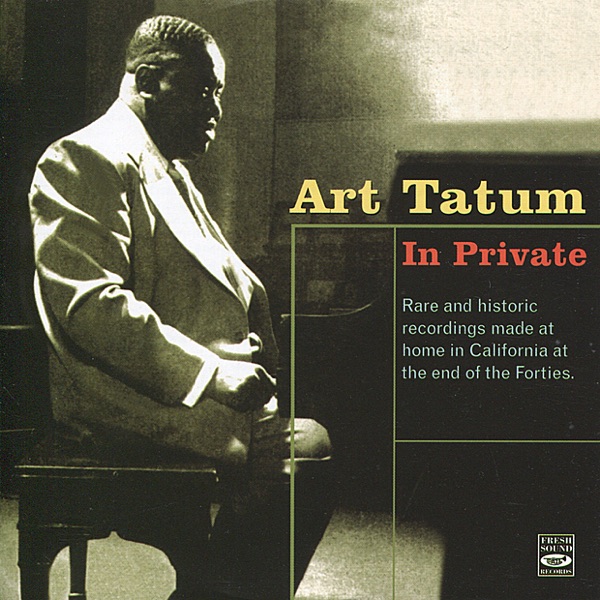
In Private 1991
More Early Jazz

Turn On the Heat: The Fats Waller Piano Solos 1945
Fats Waller

Satch Plays Fats: A Tribute to the Immortal Fats Waller 1955
Louis Armstrong
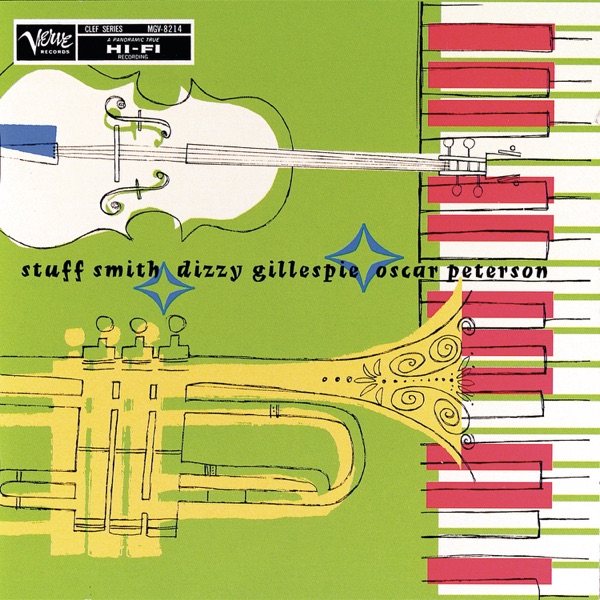
Dizzy Gillespie and Stuff Smith 1957
Stuff Smith

The Art Tatum - Roy Eldridge - Alvin Stoller - John Simmons Quartet 1955
Roy Eldridge