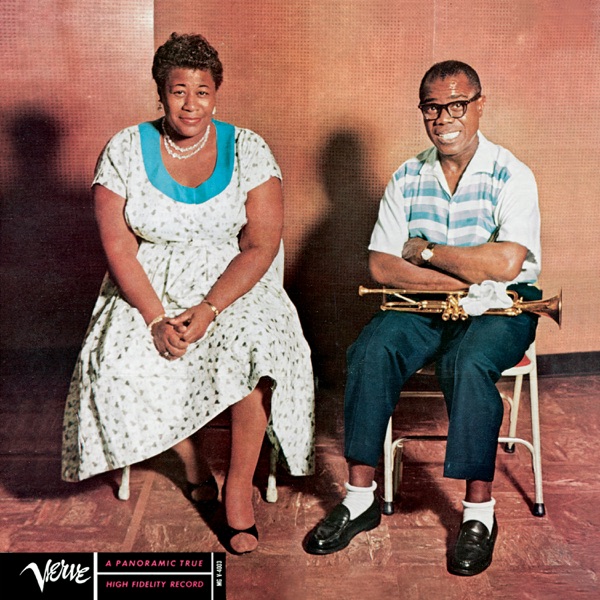
The Voice Finds Its Own Way Home
Ella strips away the arrangements and lets her voice speak directly to what love actually feels like.
Love, Ella is different from what you might expect. This isn't Ella at the height of her powers trading verses with a big orchestra or diving into the Great American Songbook with three-piece precision. Instead, she's working with smaller groups, and the whole thing feels more personal somehow—like she's sitting closer to the microphone, letting you hear how she really thinks about these songs. The material is classic standards about romance and heartbreak, but Ella's approach here is less about flawless execution and more about genuine feeling. She takes her time with lyrics, lets silence sit where it needs to, and doesn't overcomplicate things with fancy phrasing just because she can.
What makes this record distinct is its intimacy. There's no flash here, no showmanship for its own sake. Songs land softly or hit hard depending on what they need to do. Ella's instrument remains technically perfect—that's just how she was—but the focus is on interpretation rather than display. The arrangements support her voice rather than compete with it. For listeners used to her more elaborate work, this might feel understated at first, even sparse. But that restraint is the point. She's trusting that her voice and these melodies are enough, and mostly they are.
This is worth seeking out if you already know and love Ella's work, particularly if you want to hear her in a more direct conversation with the material. It's not the album to start with if you're new to her—go to Ella and Louis (1956) first. But if you know her catalog and want to hear what she could do when she pared things back, Love, Ella shows a different kind of artistry entirely.