1959 · Album
Forever Ella
Recorded 1959 · Verve Records · Produced by Norman Granz

The Voice That Never Stops Giving
Ella proves here that her gift isn't about flashy technique—it's about making every phrase feel inevitable.
Forever Ella arrived when Ella Fitzgerald was already a legend, and that's exactly what makes it interesting. This isn't a debut or a reinvention; it's a master at work doing what she does best, but with something like contentment in the air. The album finds her in a reflective mood, choosing material that lets her voice settle into the songs rather than dominate them. There's no showboating here, no sense that she needs to prove anything to anyone.
What's striking is how the arrangements support rather than frame her. These are standards and jazz tunes that Ella clearly loves, recorded with a band that knows how to stay out of the way when it matters. Listen to how she handles the ballads—there's a patience in her phrasing that wasn't always present in her earlier work. She's learned something about letting silence do work. The uptempo tracks have swing without desperation, that easy confidence of someone who's sung thousands of gigs and knows exactly where the pocket is.
If you're coming to Ella for the first time, this probably isn't where to start. Her earlier sessions, particularly those involved with the songbook projects, will hit you with more drama and range. But if you already know her work and want to hear someone completely in command of her instrument and her taste, Forever Ella shows you exactly why she mattered so much to so many musicians. It's not flashy. It's just honest.
Who's playing
Joe Mondragondouble bass
George Robertsbass trombone
Paul Smithpiano
Barney Kesselguitar
Herb Gelleralto saxophone
Chuck Gentrybaritone saxophone
Bud Shankalto saxophone
Pete Candolitrumpet
Harry “Sweets” Edisontrumpet
Maynard Fergusontrumpet
Conrad Gozzotrumpet
Milt Bernharttrombone
Joe Howardtrombone
Lloyd Ulyatetrombone
Ted Nashflute
Alvin Stollerdrums
Nelson Riddle and His Orchestraperformer
Bob Cooperoboe
Corky Haleharp
Robert La Marchinacello
Edgar Lustgartencello
Where next?
More by Ella Fitzgerald

Wishes You a Swinging Christmas 1960
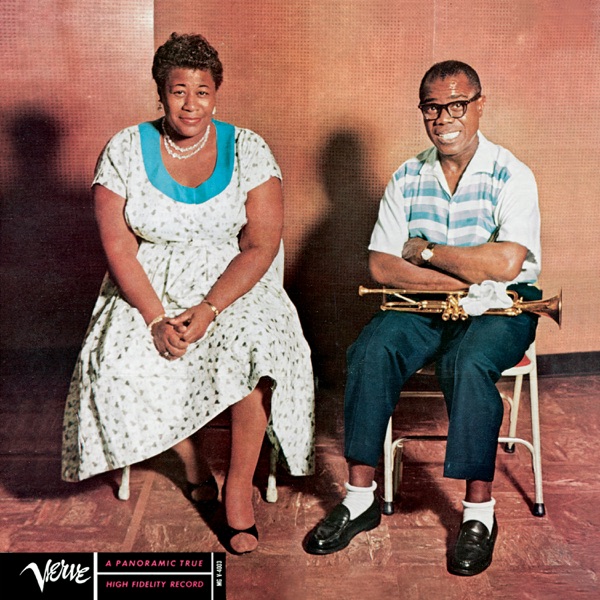
Ella and Louis 1956

Ella Fitzgerald Sings the Rodgers and Hart Song Book 1956

Ella And Louis Again 1957
The musicians on this record

Barney Kessel, Volume 1: Easy Like 1956
Barney Kessel
plays guitar here
plays guitar here
♫
Shifting Winds 1955
Bob Cooper
plays oboe here
plays oboe here


