1955 · Album
Lullabies of Birdland
Recorded Late 1940s–early 1950s · Decca Records · Produced by Not credited

Ella's Vault: Collected Gems from the Decca Years
Lullabies of Birdland gathers Ella's finest small-group sides, showcasing her gift for melody and swing.
By 1955, Ella Fitzgerald had already established herself as one of jazz's supreme voices, yet Lullabies of Birdland arrived as a compilation rather than a new statement. The album collects tracks recorded across the late 1940s and early 1950s during her Decca years, material that had circulated on 78s but never cohered as a unified project. This makes it more scrapbook than fresh declaration, but the contents reveal something essential about Ella at that stage of her career: her complete ease in small-group settings, her instinct for the right tempo, her way of sitting into a lyric without overthinking it.
The session rosters here read like a who's who of swing-era sidemen—Hank Jones and Stan Freeman on piano, Bob Haggart and Arnold Fishkind holding the bass end, brass led by Chris Griffin and Andy Ferretti, with Sam "The Man" Taylor bringing warmth on tenor. These were working musicians, not stars, which meant Ella was free to be herself rather than the centerpiece of a elaborate arrangement. She trades phrases, follows the horns, swings hard over Jimmy Crawford and Johnny Blowers on drums. There's a directness here—no vocal pyrotechnics, no show-offy scat, just a woman singing songs she likes to singers who knew how to listen.
This sits apart from her great ballad work and her later Pablo Records triumphs, occupying a middle ground that's easy to overlook. It's not her peak, and it's not the place to start with Ella. But for listeners already familiar with her voice, these tracks offer proof that her gift wasn't just range or technique—it was taste, and the generosity to let a song breathe.
Who's playing
Sandy Blockdouble bass
Arnold Fishkindbass guitar
Bob Haggartdouble bass
Hank Jonespiano
Stan Freemanpiano
Everett Barksdaleguitar
Danny Perriguitar
Sam “The Man” Taylortenor saxophone
Ernie Caceresbaritone saxophone
Andy Ferrettitrumpet
Chris Griffintrumpet
Bob Pecktrumpet
Will Bradleytrombone
Fred Ohmstrombone
Jack Satterfieldtrombone
Jimmy Crawforddrums
Johnny Blowersdrums
Morey Felddrums
Where next?
More by Ella Fitzgerald

Wishes You a Swinging Christmas 1960
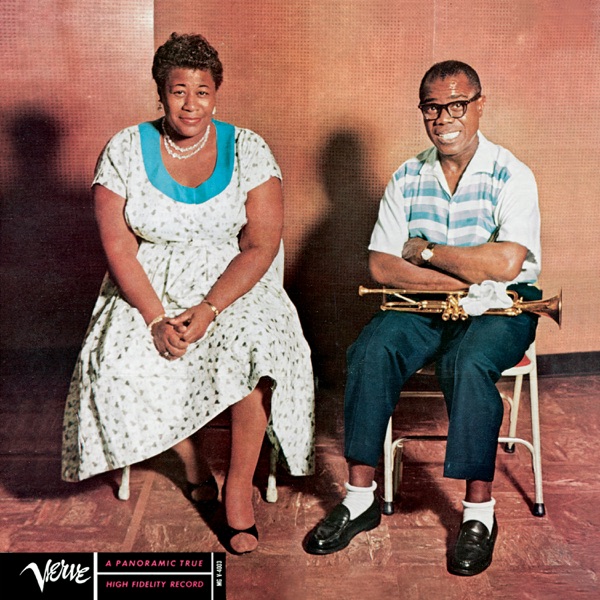
Ella and Louis 1956

Ella Fitzgerald Sings the Rodgers and Hart Song Book 1956
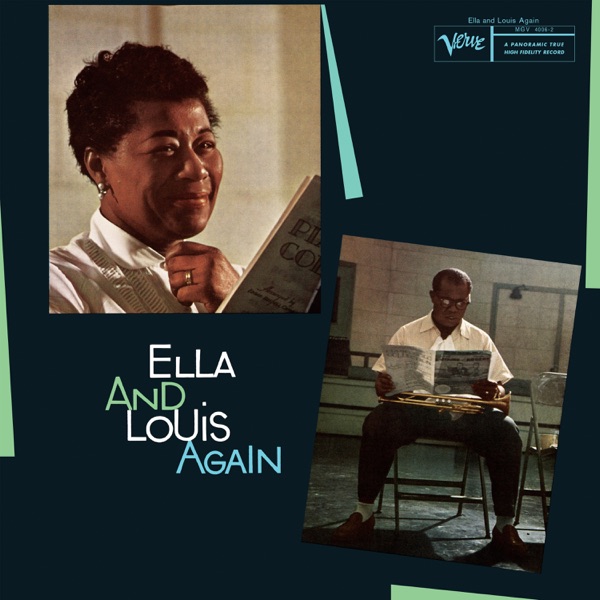
Ella And Louis Again 1957
The musicians on this record
Their own records, close in time