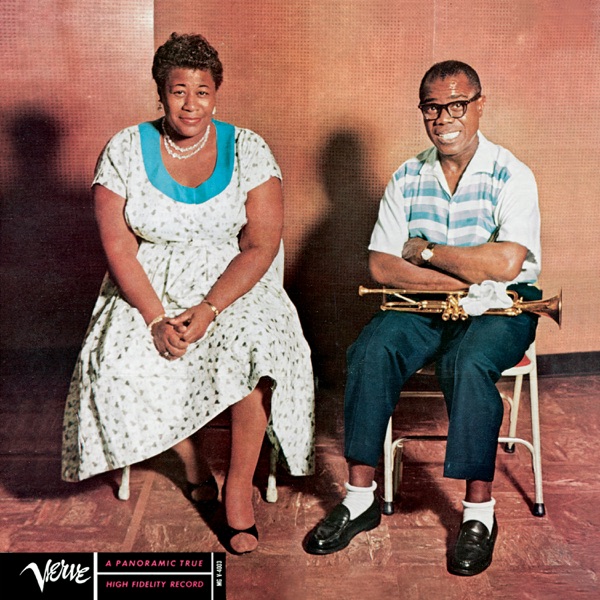
1950 · Album
Ella Sings Gershwin
Recorded 1950 · Decca Records · Produced by Milt Gabler

When Ella Met George and Ira
Ella doesn't just sing these songs; she lives inside them, finding new angles in every phrase.
There's something almost casual about how Ella Fitzgerald approaches the Gershwin songbook here, and that's exactly what makes it work. She's not treating these standards like museum pieces that need reverent handling. Instead, she's treating them like songs written by people she knows, songs with real architecture and smart lyrics that deserve to be heard clearly. You notice this immediately on tracks like "Summertime" — she lets the melody breathe instead of crowding it with unnecessary runs. The arrangements give her room to move without drowning her out, and when she does decide to play with the melody, you understand why she's doing it.
This album sits comfortably in the middle of Ella's career, after she'd already proven herself as a major artist but before she became the careful, almost untouchable institution she later became. What's distinctive here is the balance. She's not oversinging, but she's not holding back either. The Gershwin tunes give her smart material to work with — songs that have wit and sophistication built into their DNA. "Fascinating Rhythm" becomes a conversational piece where you can hear her enjoying the wordplay. "But Not for Me" lands with genuine emotion without ever getting schmaltzy. The album doesn't reinvent these songs, but it establishes a definitive reading of them that feels both personal and timeless.
If you're new to Ella, this is a solid entry point. It's not her most adventurous work, but it's genuinely enjoyable from start to finish, and it shows why her voice became the standard by which other jazz singers still measure themselves. The songs are famous for good reason, and Ella's interpretations respect that while adding her own unmistakable stamp.
Who's playing
Ellis Larkinspiano