The Divine One's Fearless Journey
Sarah Vaughan showed up exactly when jazz needed her. She won that Apollo Theater contest in 1943, and her timing was perfect—bebop was just starting to break away from swing, and here was this singer who understood what the musicians were doing.
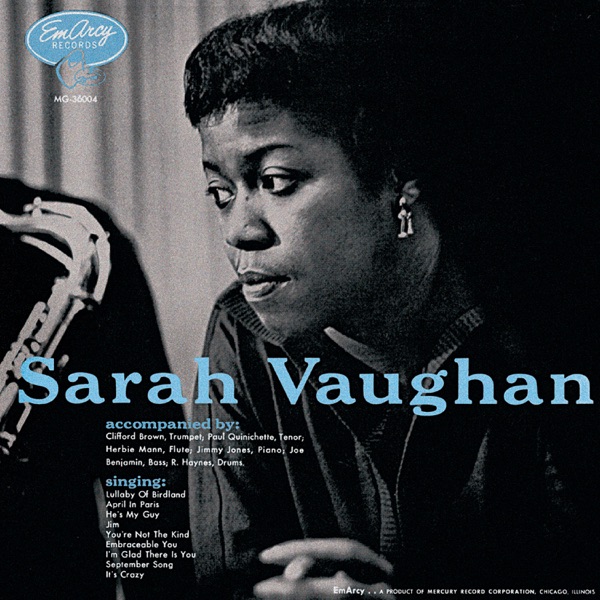
Most singers back then just sang the song the way it was written. Vaughan treated her voice like a horn player treats a saxophone. She could bend notes, slide into phrases, reshape melodies—basically improvise the way Dizzy Gillespie and Charlie Parker did. She'd record with them, and you could hear her thinking the same way they were thinking about harmony and phrasing.
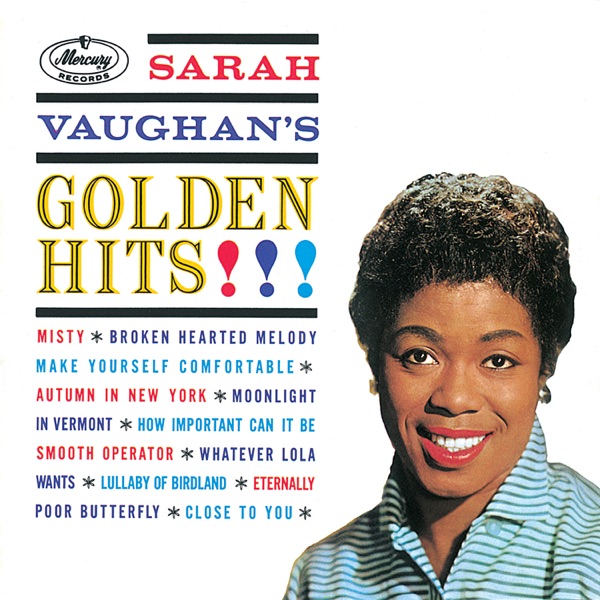
In the 1950s, working with pianist Jimmy Jones, she really hit her stride. Listen to her on ballads and you hear something almost impossible to describe without sounding corny—but it's like she could make you feel something you didn't have words for. Her control was insane, but the thing that made it work was that she never got so caught up in showing off her technique that she forgot to sound like a real person. The skill was always serving the feeling, never the other way around.
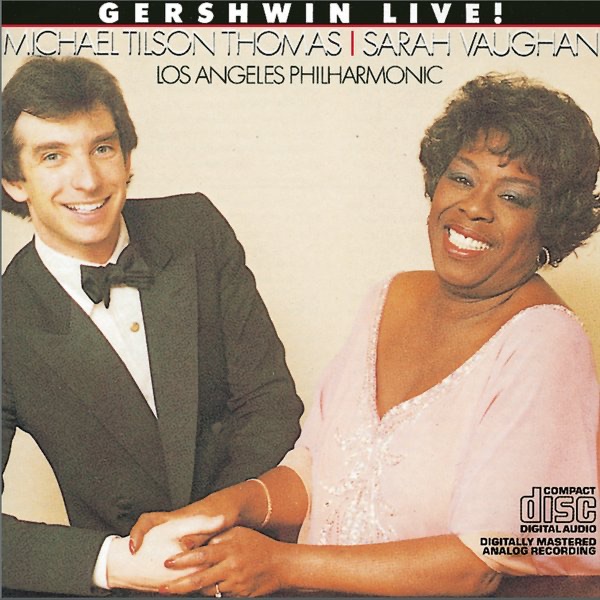
What's interesting about her later years is how she didn't get stuck. She could do lush orchestral stuff in the '60s, try funkier arrangements in the '70s, go back to just piano and bass in her final recordings—and through all of it, she stayed true to what she believed in. Her voice got deeper and richer as she got older, which is rare. She showed younger singers that you could be popular and still never compromise.
The thing about Vaughan is she refused to fit into any box. Pop people wanted her, jazz purists wanted her, experimental musicians wanted her. She belonged to all of them because she understood something simple: if you really know how to play your instrument, you can say anything you want with it. That's what her career proved.