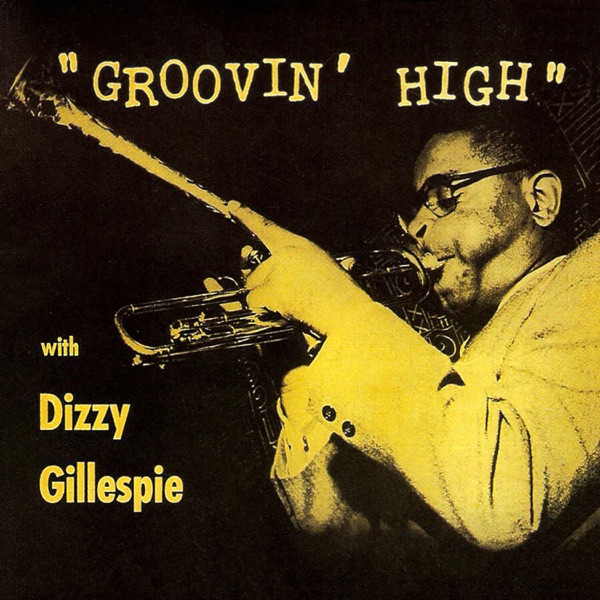
The Bent Bell and the New Language
You've got to understand—in the early 1940s, when everybody was still dancing to swing, Dizzy Gillespie was already playing trumpet like nobody had heard before. He moved fast, really fast. He loved weird chord changes and jumpy intervals that made you work to follow him. With Charlie Parker at places like Minton's Playhouse up in Harlem, they basically invented bebop together. It was hard to play, hard to follow, but man, it was alive.
Here's the thing though—Dizzy never stuck to just one thing. He got interested in Cuban music, real interested. When he started working with conga player Chano Pozo in 1947, they made "Manteca" and "Cubano Be, Cubano Bop." These weren't some trendy mashup—they were two musicians who actually liked each other, figuring out how to blend Cuban rhythms with jazz harmony. His trumpet had that bent bell, and it meant something: he wasn't going to stay in one lane.
As a bandleader, he picked incredible musicians and let them loose. His orchestras in the '40s and '50s had Thelonious Monk, John Coltrane, Sonny Rollins, James Moody—guys who were hungry to try new things. He didn't hog the spotlight; he made space for them to develop. Over sixty years, he kept changing, kept learning, while a lot of his peers just repeated what they'd done once.
What made Dizzy different was that he played with a smile. Yeah, bebop could feel serious and cold with other players, but his sound had personality—humor, warmth, a little mischief. He wore the beret and goatee because he meant it, but he never pretended it was life or death. He made modern music feel human, made it something people could actually enjoy.