1945 · Album
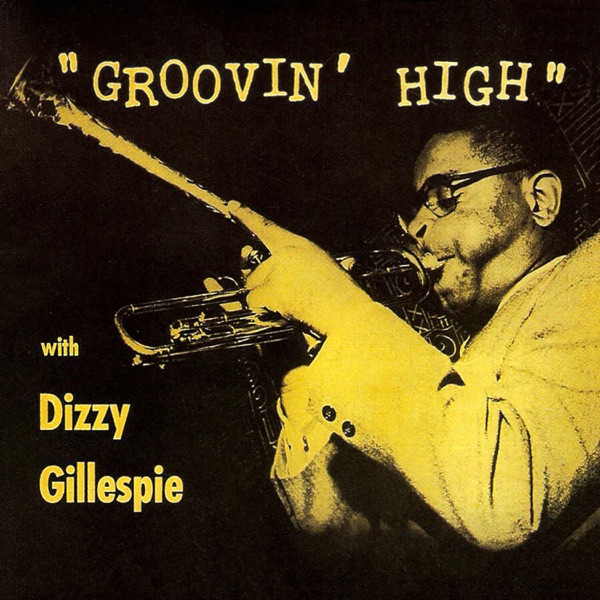
Groovin' High
Recorded 1944-1945 · Guild Records · Produced by Bill Grauer
When Dizzy's Trumpet Found Its Voice
Dizzy Gillespie's debut showcase proves bebop wasn't just a novelty—it was the future.
Groovin' High represents Dizzy Gillespie stepping fully into his own as a bandleader and composer, no longer playing sideman to anyone. This is him announcing himself, and the album crackles with that kind of confidence. The title track, built on the changes of "Whispering," became one of his signature pieces—a showcase for his technical brilliance and harmonic imagination. What strikes you immediately is how modern it all sounds, how the trumpet work cuts through everything with this almost aggressive clarity. Gillespie doesn't play pretty; he plays sharp, angular, and fast, with a tone that feels almost harsh compared to the smoother jazz that came before.
The session work here is lean and focused. These aren't sprawling arrangements—they're tight, purposeful statements that let individual musicians breathe without overthinking things. The bebop language was still relatively new to recorded jazz in this period, and there's a genuine sense of discovery happening. Gillespie had already played this stuff in clubs and jam sessions, but getting it onto a record meant locking in these ideas for history. Some numbers work better than others. Not every track is a revelation, and a few feel like they're still working out what bebop needs to say. But when it clicks, when everyone's locked in and Dizzy's in the pocket, it's genuinely exciting.
If you're exploring Gillespie's catalog, this is an essential record, but it's not the place to start if you want an easy entry point. This is bebop at a boil, technically demanding and challenging to the ear. Start with something more approachable, then come back to Groovin' High once you've got your footing. By this point in jazz history, this album matters—not because it invented anything entirely new, but because it proved the new language bebop was creating could sustain an entire album.
Who's playing
Slam Stewartdouble bass
Where next?
More by Dizzy Gillespie
All 12 albums →


The musicians on this record
Their own records, close in time