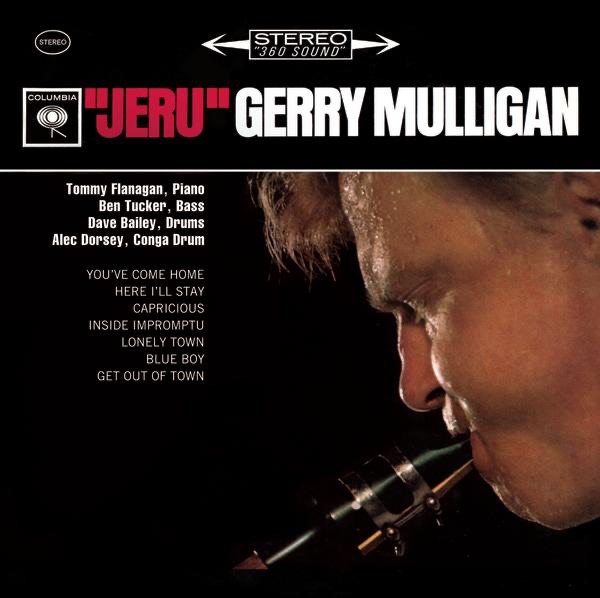
The Birth of the Cool Baritone Sound
Mulligan's baritone cuts through with clarity, proving the instrument belonged in jazz's front line.
When Gerry Mulligan recorded Jeru (1952), he was still finding his voice as a bandleader, but what he captured here became the template for everything that followed. The album's centerpiece is the title track, an arrangement so clean and purposeful it almost sounds simple until you realize how much work went into that simplicity. Mulligan's baritone saxophone dominates without ever sounding heavy—that's the real trick here. The horn had been used mostly as a section voice before this, filling in harmonies. He made it sing melody.
The band Mulligan assembled was tight and economical. Working alongside him were players like Chet Baker on trumpet, creating one of the era's most distinctive front-line sounds: two voices talking to each other without stepping on toes. There's no piano on these recordings—a bold choice that forces everything into sharp relief. The arrangements breathe. They don't crowd. It's the opposite of the busy bebop approach; instead, Mulligan was pushing toward clarity and space, what he'd eventually develop further in his quartet recordings. This album sits right at the beginning of that journey.
Jeru is worth hearing if you want to understand how jazz stopped being a rhythm section's instrument and became one where arrangement and orchestration could drive everything forward. It's not his masterpiece—that probably comes later—but it's where you hear him getting serious about what the baritone could do. The record hasn't aged into obscurity, but it's not something everyone immediately reaches for either. Start here if you're curious about where Mulligan came from, but don't stop here either.
Who's playing
Where next?
More by Gerry Mulligan
Gerry Mulligan Meets Ben Webster 1959

Night Lights 1963
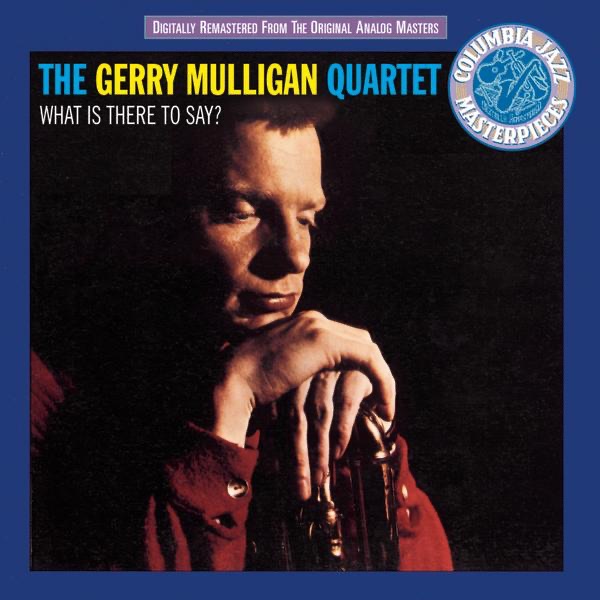
What Is There To Say? 1959

Gerry Mulligan Meets Johnny Hodges 1959
The musicians on this record
Their own records, close in time