The Thoughtful Voice of Cool
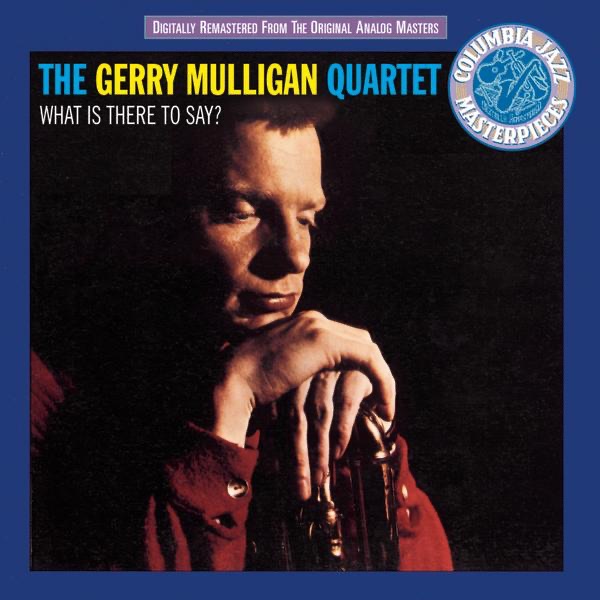
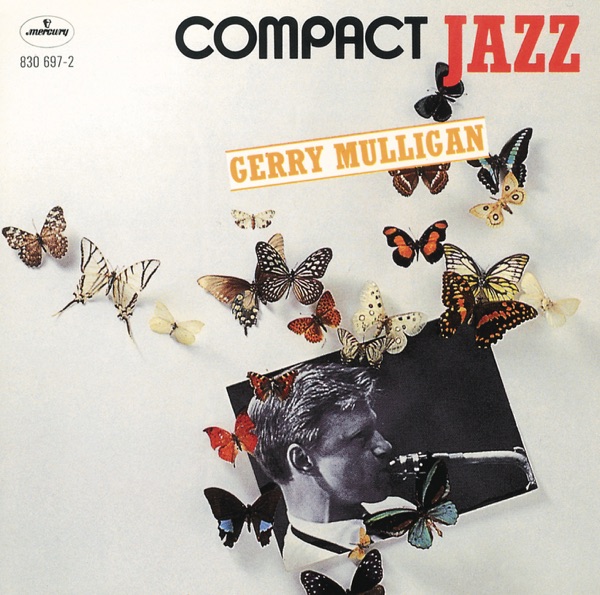
Gerry Mulligan showed up in New York during the bebop scene with something nobody else was really doing: he played the baritone saxophone seriously. Before him, people basically used it for novelty stuff or just to fill out the horn section. Mulligan looked at that horn and saw a real instrument. He spent time really studying harmony and counterpoint, learning what Charlie Parker and Dizzy Gillespie were doing harmonically, and he developed this tone that was both fat and clean at the same time—kind of the opposite of what you'd expect from a baritone, but that contradiction is basically his whole thing.
Then in 1952, he and trumpeter Chet Baker recorded without a piano. That sounds like a limitation, right? But without those chords coming from the keyboard, the two horns had to actually talk to each other. Every line did double duty—it was melody and harmony at the same time. It wasn't less sophisticated, just differently sophisticated. The space between the notes mattered as much as the notes themselves. Those California recordings became the template for how people think about two horns talking to each other, and you can hear that influence all over—in John Coltrane and in players today who care more about conversation than packing everything in.
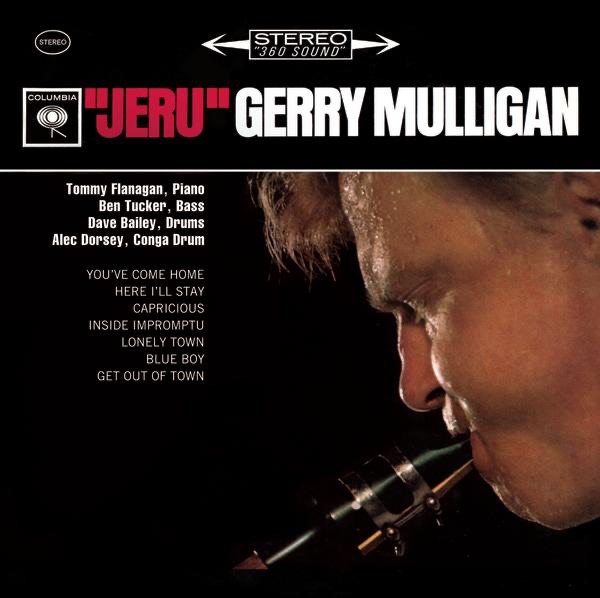
Mulligan never got stuck on one thing though. He'd lead orchestras, play in big bands, work with pianists like Thelonious Monk and Duke Ellington, conduct—whatever interested him. The constant was always how he thought about composing and how he refused to trade in the warmth for something too clever. He could take "Round Midnight" and make it his. His own tunes like "Jeru" and "Walkin' Shoes" stuck around because they had both good melody and solid construction underneath.
Later on, he became a guy younger musicians asked for advice, but he never became dogmatic about it. He kept trying things, kept finding new collaborators, kept finding fresh ways to get the baritone sax to sing. What you take from him isn't just the pianoless quartet idea—it's the proof that being intelligent about music and being emotionally honest about it aren't in conflict. They work together. The best stuff sounds easy because someone thought really hard about it.