1991 · Album
Walkman Jazz : Gerry Mulligan
Recorded 1959 · Not provided · Produced by Not provided
Mulligan's Portable Sound on the Move
A baritone saxophonist proving that great jazz doesn't need elaborate arrangements or a full band.
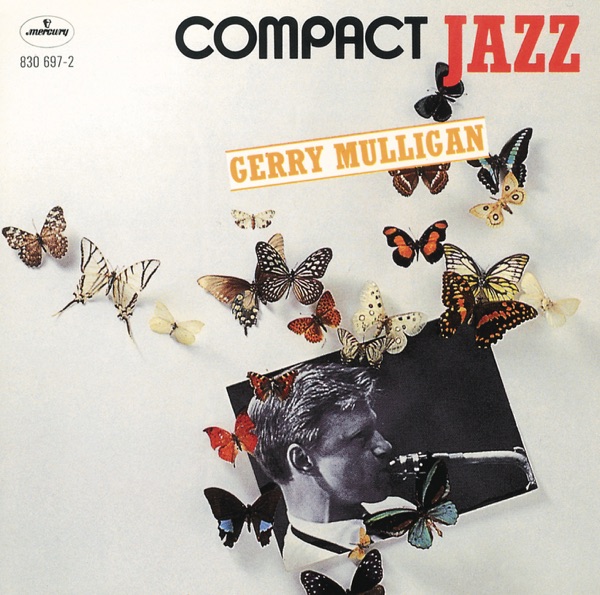
Walkman Jazz catches Gerry Mulligan doing what he does best: playing baritone sax with clarity and wit, keeping things lean and direct. This isn't one of his larger ensemble projects with all the orchestration he was known for. Instead it's Mulligan stripped down, working with a small group in a way that feels almost conversational. The album title suggests mobility and informality, which is exactly what you get—music that sounds like it could happen anywhere, anytime someone decides to play.
Mulligan had spent years building his reputation as both a player and arranger, creating sophisticated small group sounds that proved you didn't need a big orchestra to make complex jazz. On this record he's just stepping into the studio to blow, and there's something refreshing about that directness. The baritone sax cuts through cleanly here, without the lush voicings of some of his earlier work. You hear his tone clearly—warm but never soft, conversational but always in control. The arrangements are smart but not fussy, giving space for the ideas to breathe.
This sits somewhere in the middle of Mulligan's catalog—not his most celebrated work, not obscure either. If you already love his music, this is a natural listen. If you're coming to him fresh, his earlier quartet recordings like Gerry Mulligan Quartet (1953) are probably the better entry point. But if you want to hear Mulligan just playing without needing everything framed in orchestral ideas, Walkman Jazz delivers exactly that.
Where next?
More by Gerry Mulligan
All 14 albums →