1959 · Album
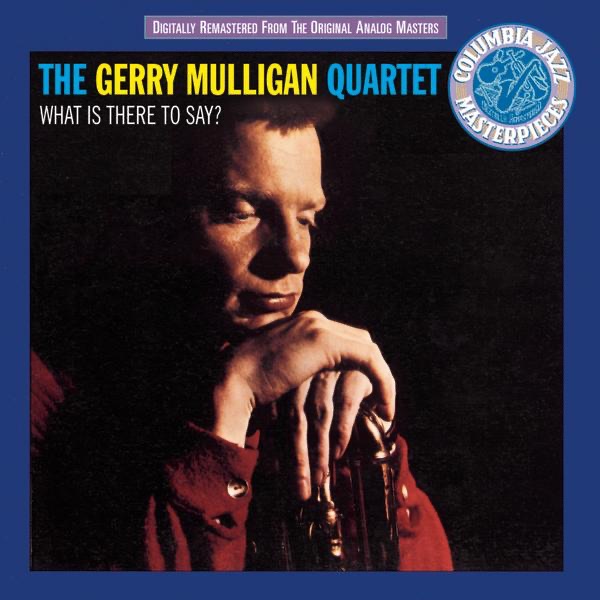
What Is There To Say?
Recorded 1959 · Columbia Records · Produced by George Avakian
Mulligan's Pianoless Conversation with Himself
A masterclass in what restraint and space can accomplish in jazz ensemble playing.
What Is There To Say? arrives as one of Gerry Mulligan's most cohesive statements, a record where his baritone saxophone doesn't dominate so much as preside over a carefully balanced conversation. By this point in his career, Mulligan had spent years developing his pianoless quartet concept, and this album feels like the logical extension of that idea—taking what worked and pushing it further into territory that's genuinely introspective. There's no flash here, no attempt to dazzle. Instead, you get these elegant, almost chamber-like arrangements where every instrument has room to breathe.
The album's real strength lies in its restraint. Mulligan's baritone floats over the rhythm section with a kind of conversational ease, never forcing the issue. Tracks move at a deliberate pace, giving the music space to develop naturally rather than rushing toward climactic moments. This approach won't satisfy listeners looking for high-energy pyrotechnics, and that's fine—this record isn't trying to be that. It's more interested in exploring what happens when you strip jazz down to its essentials and trust the players to fill the space intelligently.
If you're new to Mulligan, this is a solid entry point, though it rewards patience. The album sits comfortably in his discography rather than towering above it—a really good session from an artist working confidently in his established voice. It's the kind of record that grows on you over time, revealing layers of craft that don't announce themselves immediately. For Mulligan enthusiasts, it remains essential listening.