1953 · Album
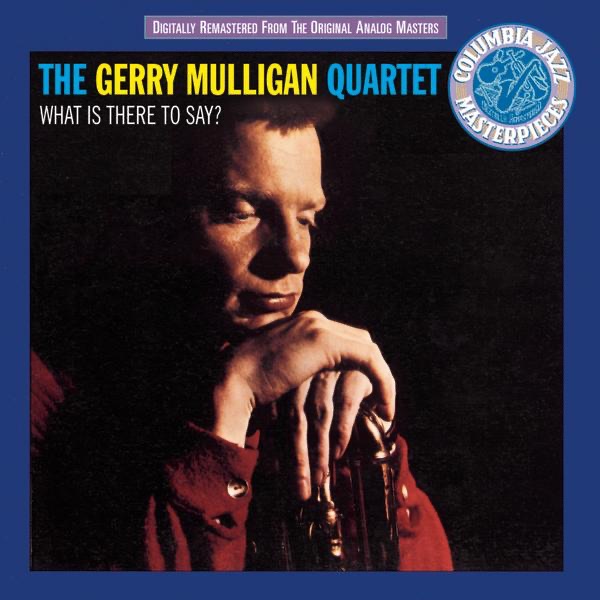
The Gerry Mulligan Quartet
Recorded 1952 · Pacific Jazz · Produced by Richard Bock

A Quartet Without Piano Changes Everything
Mulligan proved you could swing hard and stay restless without filling every space with sound.
The Gerry Mulligan Quartet was a genuine left turn in jazz, arriving at a moment when bebop had settled into its habits. The idea was simple but radical: take out the piano, keep the front line lean, and let Mulligan's baritone sax find room to breathe alongside Chet Baker's trumpet. What sounds obvious now felt strange then. Pianists had become essential furniture on jazz records, but Mulligan heard something different—a chance for the horns to voice harmonies themselves, to move around more freely without a chordal anchor underneath.
The records cut during this period crackle with invention. Tracks like "Walkin' Shoes" and "Jeru" showcase Mulligan and Baker in real conversation, trading ideas and sometimes just sitting in the pocket together, supported by Carson Smith on bass and Chico Hamilton on drums. Baker's tone is cool and unflashy here, which works perfectly—his restraint matches Mulligan's approach. The baritone sax, an instrument that could sound clumsy in other hands, becomes eloquent and surprisingly quick. There's genuine wit in these arrangements, nothing wasted, plenty of space. The rhythm section locks tight without overdoing it.
This is where you start if you want to understand Mulligan. Not early, not late—this is him finding what he actually wanted to say. Later records are fine, but they don't have the clarity of purpose or the sense that something genuinely new was happening in the room. The Quartet isn't complicated or showy, which is exactly its strength. It's the sound of musicians solving a problem together, and the solution turned out to matter.