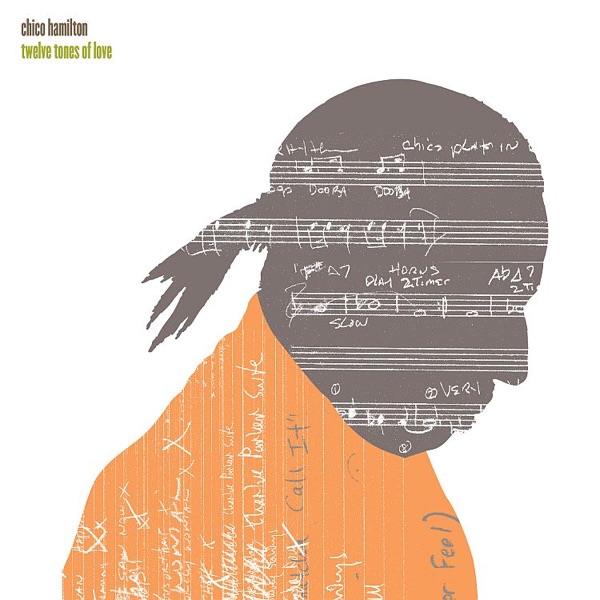
The Bandleader Who Collected Talent
Chico Hamilton came up playing drums behind Lester Young and Lena Horne in Los Angeles, and by the early 1950s he was sitting in the original Gerry Mulligan Quartet, keeping impossibly light time under that famous piano-less horn sound. He could have stayed a reliable sideman for the rest of his career. Instead, in 1955, he put together a quintet that had no business working on paper — cello, flute, guitar, bass, drums, no piano at all — and somehow it clicked.
That first quintet, with Fred Katz on cello and Buddy Collette on reeds and flute, got filed under West Coast cool jazz because it was pretty and unhurried and came out of Los Angeles. But listen closer and it's stranger than that label suggests — the cello gives the whole thing a chamber-music weight, somewhere between a jazz combo and a string quartet that decided to swing. Albums like Chico Hamilton Quintet (1955) and Gongs East! (1958) sound like nothing else from that period, mostly because nobody else had a cello player who could improvise like Katz did.
Hamilton had a habit of finding musicians right before they became somebody. Eric Dolphy passed through the quintet in the late 1950s, bringing an edge that pushed the band's pretty surfaces toward something more unsettled — you can hear him tearing at the polite arrangements a little, hinting at where he'd go with Ornette Coleman and on his own later. A few years after that, a young tenor player named Charles Lloyd joined up, and Hamilton basically handed him the arranging chair on records like Man from Two Worlds (1963) before Lloyd went off to become a star in his own right with Keith Jarrett.
That pattern kept going. In the late 1960s and into the 70s, Hamilton pulled a teenage guitarist named Larry Coryell into his band and let the music drift toward electric fusion, funk grooves, and studio work — he scored commercials and TV cues, kept a working band going, kept teaching. He never became a household name the way some of his sidemen did, and that's fine, because that wasn't really the job he set out to do. He built rooms for other people's talent to show up in, and he had genuinely good taste about who to invite in.
If you want an entry point, start with the original quintet records for the cello sound, then jump to the Dolphy and Lloyd years to hear how far he let the band stretch. Hamilton kept working into his nineties, still leading bands, still finding younger players to feature. That's the whole story with him — not one signature sound, but a five-decade habit of noticing talent early and getting out of its way.