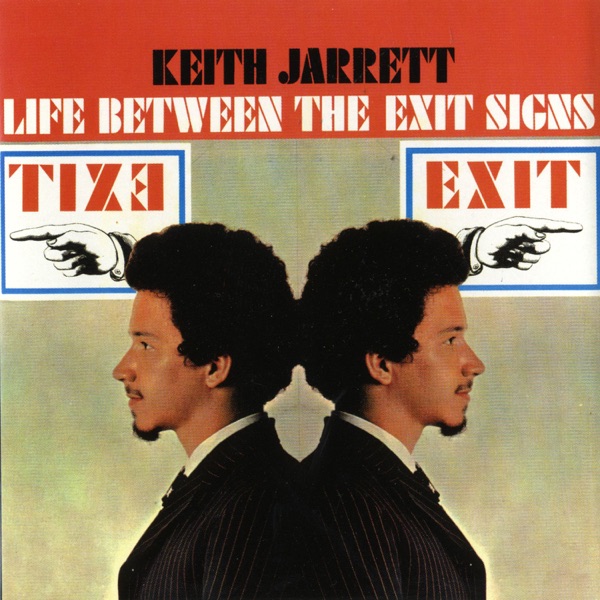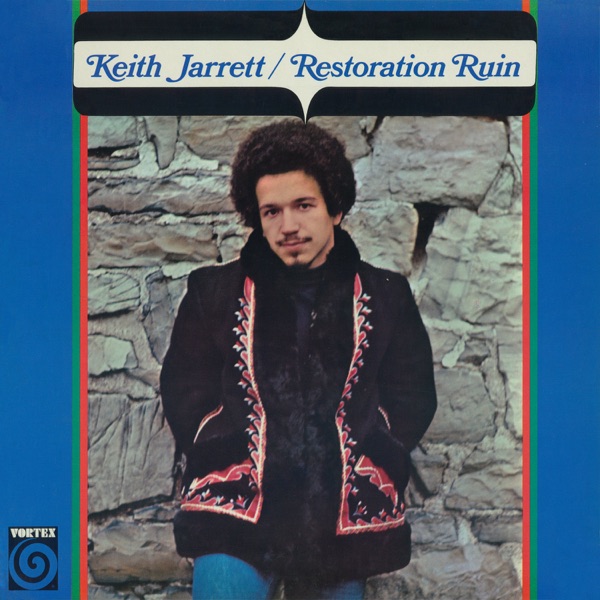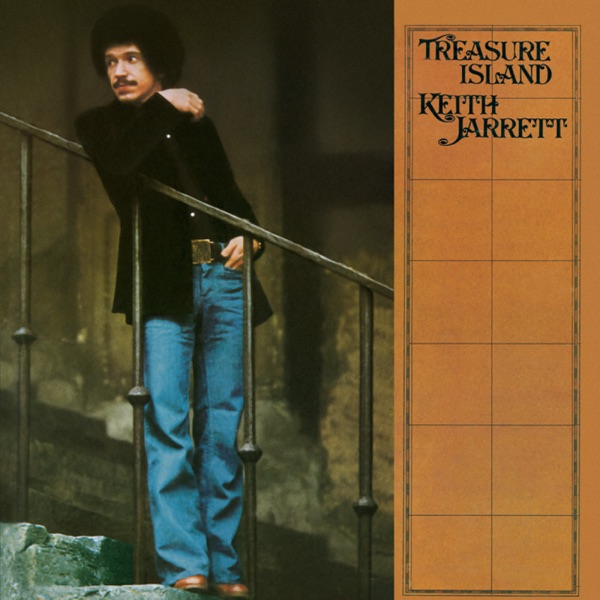
The Body Knows Before the Mind
There's a photograph from a concert that shows you what matters: Keith Jarrett hunched over the keys, eyes shut, hair in his face, like he's trying to disappear into the piano itself. He hums, makes these sounds, gets up from the bench, sits back down. Some critics call it theater; musicians who've tried what he does know better. That's not an act — that's what it looks like when someone is chasing something real.
Jarrett came up in Allentown, Pennsylvania, a kid who could play anything by ear before he learned to read music. He went to Berklee for a bit but the structure felt like a cage, so by his twenties he'd already played with Art Blakey's Jazz Messengers and Charles Lloyd's quartet — and that Lloyd group did something unusual, bringing jazz to rock fans without insulting either one. When Miles Davis brought him in around 1970, right in the middle of the Bitches Brew (1970) madness, Jarrett wouldn't touch the synthesizers. He sat at an acoustic piano while everything around him was plugged in and loud. That stubbornness told you everything about who he was.
What really mattered started in 1971 with ECM Records. The label's clean, minimal sound — producer Manfred Eicher wanted it to sound like 'the most beautiful sound next to silence' — was made for Jarrett. Those solo concerts through the seventies, recorded in Köln, Bremen, Lausanne, all over — they changed how people thought about improvised music. He could play for an hour without a plan, moving from folk to gospel to Bach-like counterpoint to pure free playing, and nothing felt wasted or forced.
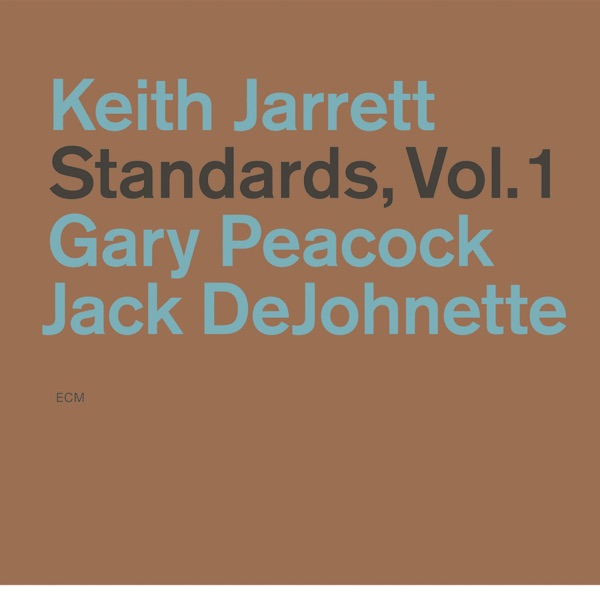
Then there was the Standards Trio with Gary Peacock on bass and Jack DeJohnette on drums. It started in 1983 as something temporary and ended up lasting thirty years, and the album that kicked it off, Standards, Vol. 1 (1983), is one of the real surprises in his catalog — three musicians who knew the tradition cold, playing songs everyone already knows, and somehow getting there first anyway. 'Autumn Leaves' and 'All the Things You Are' come out sounding unfinished in the best way, like the tune is still deciding what it wants to say. Where the solo concerts were him finding new paths alone, this was three people finding one together in real time, and it never once ran out of things to say.
He got hit with chronic fatigue syndrome in the late nineties, and then strokes in 2018 that left his left hand unable to play. That long silence has made people listen to what he left behind differently — you can hear how urgent it all was, how much he was reaching for. Jarrett once said improvisation is just 'a kind of listening,' and maybe that's what his playing asks from us too: to pay attention, to show up, to hear what's happening right now before it disappears.