1973 · Album
At The Blue Note
Recorded December 1972 and March 1973 · ECM · Produced by Manfred Eicher
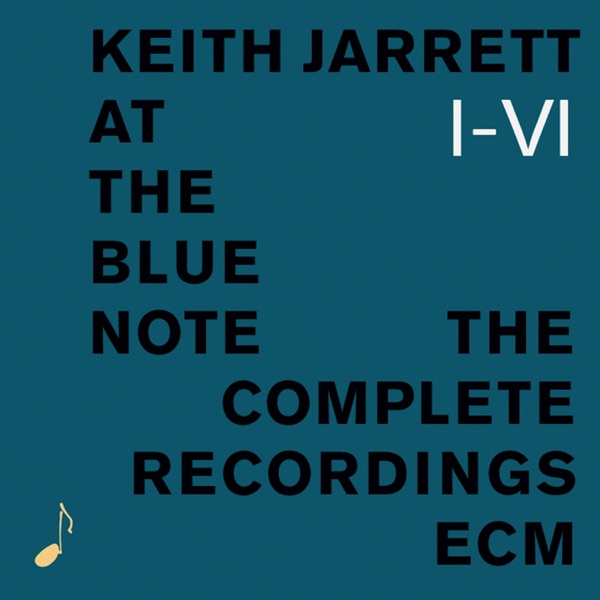
Spontaneous Conversations in a Dark Room
Jarrett's solo piano cuts through the noise like he's thinking out loud.
Keith Jarrett's solo piano recordings are strange things to sit with. You're getting unedited, real-time decision-making—no safety net, no second takes. At the Blue Note captures him in the moment, playing standards and originals with the kind of focus that makes you forget there's even a recording happening. What makes this different from his earlier work is the sheer intimacy. There's no rhythm section to lean on, no other voices to hide behind. It's just Jarrett and whatever the piano wants to give him that night.
The album breathes differently than you'd expect. Some passages are delicate, almost conversational, where he's testing out ideas and abandoning them just as quick. Other moments he locks into something deeper, playing with real conviction. You'll hear rubato that should feel pretentious but somehow doesn't, and passages where his left hand is doing completely different work than his right. The recordings have that quality of being slightly unpolished—there's no studio sheen here, just piano and space.
This sits somewhere in the middle of Jarrett's catalog, not his earliest work but recorded before he became a household name in jazz. It's worth seeking out if you want to understand how he thinks about melody and rhythm without the architecture of a band supporting him. It won't blow your mind the first listen, but there's something honest about it that sticks around. Fair warning: this is patient music. If you need constant stimulation, move on. But if you're curious about what a serious pianist sounds like when he's genuinely working something out, this is the real thing.
Who's playing
Where next?
More by Keith Jarrett
All 29 albums →


The musicians on this record

Paul Bley with Gary Peacock 1970
Gary Peacock
plays double bass here
plays double bass here

Sorcery 1974
Jack DeJohnette
plays drums (drum set) here
plays drums (drum set) here



