1975 · Album
The Köln Concert
Recorded January 24, 1975 · ECM Records · Produced by Manfred Eicher
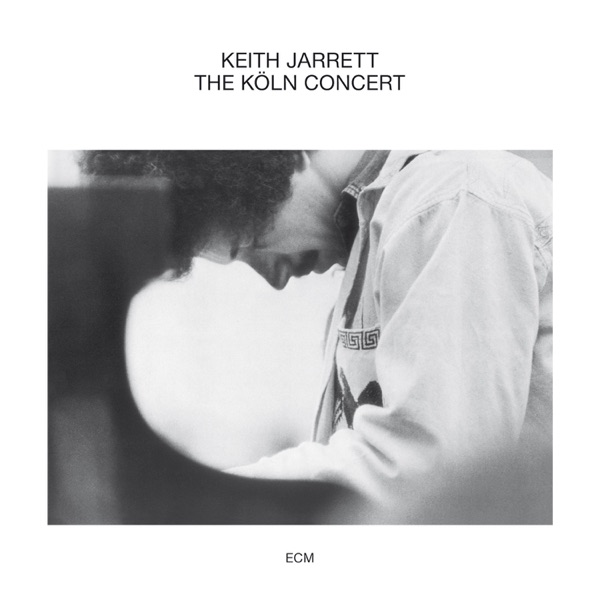
One Night in Köln, Unrepeatable
The best-selling solo piano album ever made almost didn't happen at all.
The story behind The Köln Concert (1975) is almost as good as the music. Keith Jarrett arrived at the Cologne Opera House on January 24, 1975, sleep-deprived and in back pain, only to find that the wrong piano had been delivered — a small, out-of-tune Bösendorfer practice instrument with stuck pedals and weak bass notes. He nearly walked away. Instead, he adapted: playing closer to the upper registers where the piano sounded best, leaning into a rolling, gospel-inflected left hand to compensate for the muddy low end. Those constraints shaped everything you hear on this record.
The album is a single continuous improvisation split across four sides of vinyl, and it moves through a remarkable range of moods without ever feeling forced. The opening of Part I is probably what most people know — that repeating, hymn-like figure that builds slowly into something more urgent. But Part II is where Jarrett really stretches out, cycling through bluesy passages, near-classical interludes, and moments that sound almost like stride piano. None of it was written down beforehand. What you're hearing is real-time composition, and the quality of the ideas is consistently high across nearly 67 minutes, which is genuinely rare for any improvised performance.
This is, without exaggeration, the best-selling solo jazz album and the best-selling solo piano album ever recorded. In 2025, the Library of Congress added it to the National Recording Registry, citing its cultural and historical significance. Whether you're new to jazz or a longtime listener, this is a record worth sitting with from start to finish — not as background music, but as something to actually follow. It rewards that kind of attention.
Who's playing
Keith Jarrettpiano




