
The Pianist Alone With His Thoughts
Jarrett's solo piano work strips away everything except what matters: the conversation between player and instrument.
My Song captures Keith Jarrett doing what he does best—sitting at the piano with no script, no safety net, just responding to what the instrument tells him. This is solo piano work, unaccompanied, which means there's nowhere to hide. Every note choice, every silence, every weird harmonic detour is Jarrett deciding what comes next. You hear his thinking in real time, which can be messy and searching, but that's kind of the point. He's not performing a finished composition; he's composing in the moment.
For Jarrett's discography, this album sits somewhere between his early work playing inside other people's groups and the later solo concerts that became his main focus. By this point he'd already proven himself as a serious improviser, but My Song shows him fully committed to the solo piano format—no trio, no orchestra, just the man and the keys. It's not his most famous work, which might be the ECM recordings that came later, but it's essential for understanding how he thinks about melody and structure. The album doesn't have the showmanship or the raw emotional intensity of his live concert recordings; instead it has something quieter and more deliberate. Jarrett takes his time with ideas here. Some passages feel almost composed, others genuinely unhinged, and the whole thing has a conversational quality, like he's thinking through problems on the fly.
If you're new to Jarrett, this isn't where I'd tell you to start—begin with something more direct and gripping. But once you've heard his more famous work and want to understand his approach to improvisation on a deeper level, My Song rewards careful listening. It's for people who want to hear a jazz musician genuinely wrestling with possibilities rather than executing a predetermined plan.
Who's playing
Where next?
More by Keith Jarrett
All 29 albums →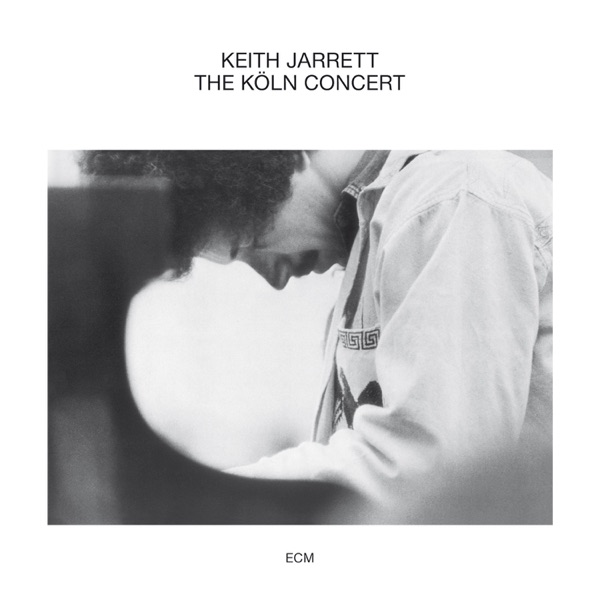


The musicians on this record
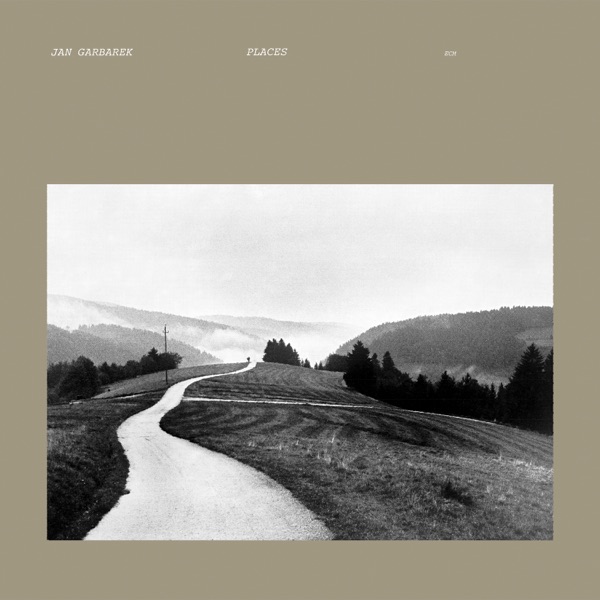
Places 1978
Jan Garbarek
plays saxophone here
plays saxophone here
♫
Personal Mountains 1989
Jon Christensen
plays drums (drum set) here
plays drums (drum set) here



