Nordic Light in Sonic Form
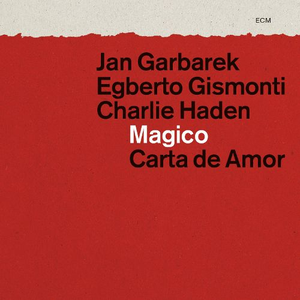
When Jan Garbarek emerged from the Norwegian jazz scene in the late 1960s, he was doing something genuinely different. While other musicians were either studying bebop masters or pushing into free jazz chaos, Garbarek seemed to be listening to something else entirely—the quiet of Norwegian forests, maybe, or the minimalist composers he admired, or music from places most jazz players weren't paying attention to. His early records made it clear he wasn't interested in showing off. He wanted to build something deliberately, with real space and silence mattering as much as the notes themselves.
Working with Manfred Eicher at ECM Records changed everything. The label gave Garbarek the freedom to make records that didn't fit neatly into jazz categories, and he used that freedom completely. Albums like Afric Pepla and Dis (1971) revealed a musician unafraid of unconventional sounds—playing his saxophone in strange, extended ways, weaving in Eastern European folk melodies, leaving gaps where you'd expect him to fill them. His tone became unmistakable: sometimes thin and breathy, sometimes cutting like a knife, always with this searching quality. You knew it was him immediately, the way you'd recognize a friend's voice in another room.
What really impressed me was how Garbarek collaborated without pretending to be an expert in everything. He played with the Hilliard Ensemble, layering his saxophone underneath medieval and Renaissance choral music, and it shouldn't have worked but it did. He explored Indian classical music, African rhythms, Scandinavian folk—and these weren't superficial gestures. He actually listened, genuinely curious rather than collecting sounds like souvenirs.
The thing about Garbarek that stuck with me was his refusal to choose between being serious and being beautiful. A lot of musicians thought challenging meant uncomfortable, but Garbarek showed you could be both. His improvisations develop gradually—like pressure building before a storm—and then suddenly open into something that just hits you. He's still working and recording now, still asking the same questions. That commitment to finding something true in the music, that's what defines him.