Garbarek's Lunar Cycles and Restless Spirit
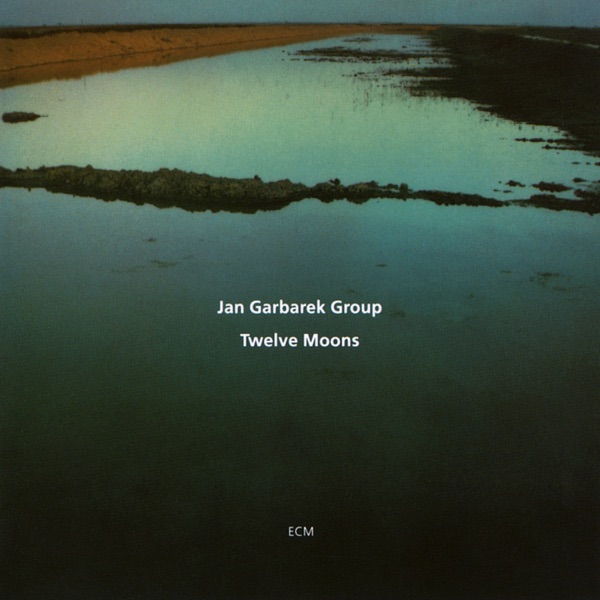
Twelve Moons finds Garbarek embracing spaciousness, letting silence matter as much as notes.
Twelve Moons sits in an interesting place in Garbarek's catalog — not early enough to be raw discovery, not late enough to feel like reflection. What you get here is a saxophonist who's learned how to use the instrument's range without needing to fill every corner of a phrase. The album's real subject is restraint. These aren't technically difficult pieces, but they're carefully shaped, each one breathing in its own way. The title suggests cycle and recurrence, and the music bears that out: some tracks return to similar moods without repeating themselves, circling ideas the way actual lunar cycles return but never quite identical.
What makes this different from his other work is the emphasis on negative space. Garbarek had already established himself as someone interested in modal jazz and folk influences, but here those elements feel less like fusion experiments and more like natural parts of a single voice. The recording itself has a particular clarity — you hear the room, you hear choices about where to place notes. It's not overdone, but it's definitely considered. The pace is measured throughout, which could feel slow if the playing weren't so deliberate. This isn't an album for showing off. It's for people who want to hear someone think out loud on an instrument.
Twelve Moons isn't his most famous record, and it's not the place most people start with Garbarek. But for anyone already interested in his work, it's essential — a moment where technical ability takes a back seat to actual communication. It rewards patient listening and doesn't demand much from you except that you pay attention.
Who's playing
Eberhard Weberbass
Rainer Brüninghauspiano, synthesizer
Jan Garbareksoprano saxophone, synthesizer
Manu Katchédrums
Marilyn Mazurpercussion