What Georg Riedel brought to the silence
A quarter million Swedes bought this album because two men knew when not to play.
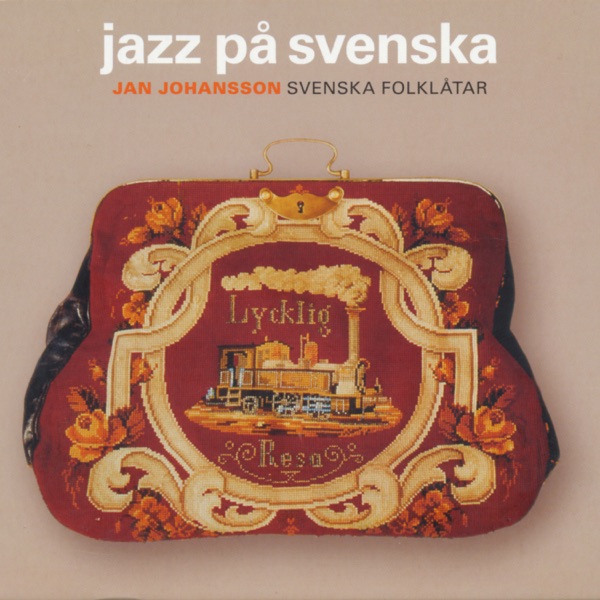
Jan Johansson did something in 1964 that nobody expected: he took Swedish folk songs — melodies that had lived in villages and hymnbooks for generations — and played them on jazz piano. Not as a novelty, not as a fusion experiment, but with complete seriousness and complete simplicity. The result was Jazz på svenska, the best-selling Swedish jazz album of all time, and one of the most quietly radical records in Scandinavian music history.
Johansson was not a folk musician. He had worked with Stan Getz, played with the Swedish Radio Jazz Group, and moved comfortably through the international jazz world. But he understood something about these melodies that a more obvious approach would have missed. They did not need ornamentation. They did not need harmonic complexity or rhythmic invention. They needed to be played honestly and left alone.
The arrangements are stripped to almost nothing. Piano and bass — Johansson and Georg Riedel — and silence where another musician might have reached for more. On tracks like Visa från Utanmyra and Emigrantvisa, the melody simply states itself. There is no development in the jazz sense, no trading of phrases, no building toward a climax. Just the song, held with care.
Riedel's bass is essential to this. He does not accompany in the usual sense — he listens, responds, holds space. His restraint mirrors Johansson's own. Together they create the room the melodies need to breathe.
A quarter million Swedes bought this record. That number is remarkable for any jazz album anywhere, but especially for one this sparse. What it suggests is that Johansson had found something real in those folk songs — something that people recognized without being able to name it. He had not jazzed them up. He had simply heard them clearly, and played what he heard.
Who's playing
Georg Riedeldouble bass
Jan Johanssonpiano
Where next?
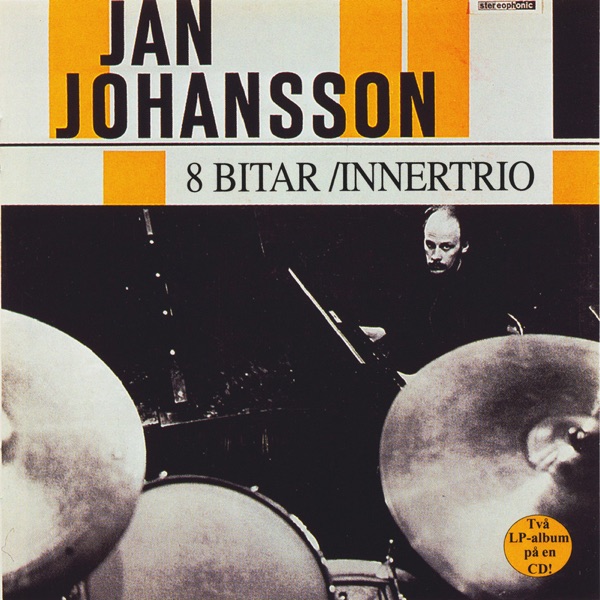
More by Jan Johansson
All 21 albums →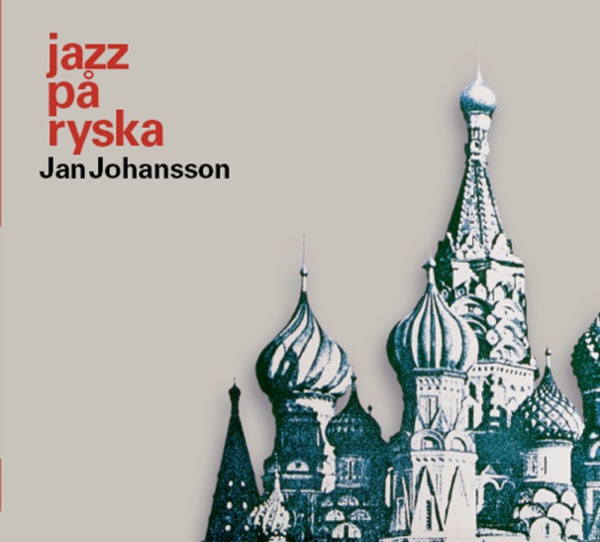


The musicians on this record
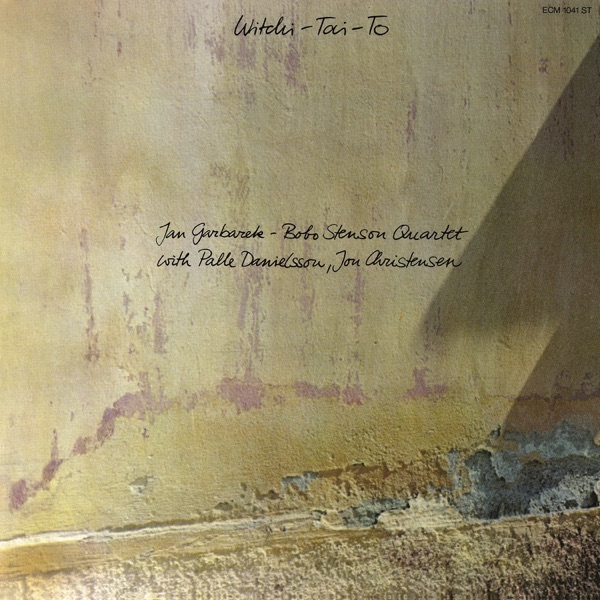
Their own records, close in time