Swedish Tunes, Jazz Hands
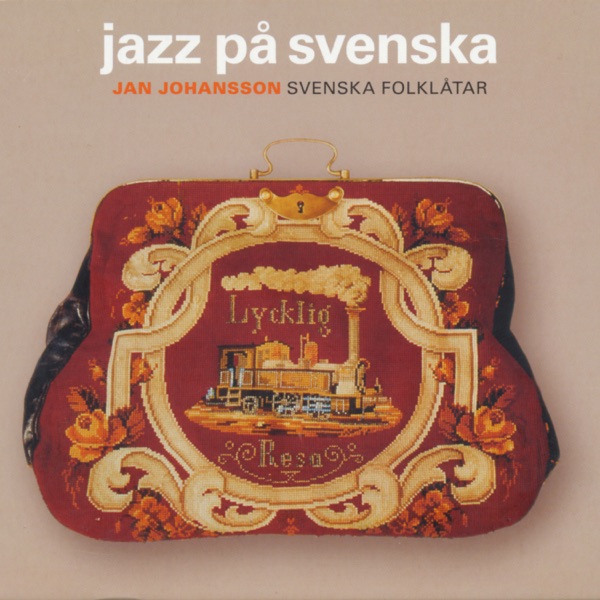
Before you press play on Jazz på svenska (1964), it helps to know what Johansson was actually doing. He wasn't layering jazz harmonies over folk tunes as a novelty. He was treating these Swedish melodies — some of them hundreds of years old, fiddle tunes mostly — with the same seriousness and the same rhythmic looseness you'd bring to a standard. The result is music that sounds calm and a little melancholy, but never sleepy. The bass lines from Georg Riedel give it a gentle pulse, and Johansson's touch on the keys is light without being precious.
He came up playing bebop and had real chops in the American tradition — he worked with Stan Getz during Getz's time in Sweden in the late 1950s, which was a serious credential. So when he turned toward Swedish folk material, it wasn't a retreat from jazz. He understood jazz well enough to know that the vocabulary could carry something else. The modal qualities of old Swedish folk music, it turns out, sit surprisingly well next to the kind of open, space-conscious playing that was starting to happen in jazz around the same time.
The record is spare. Just piano and bass, mostly. Some tracks add a little percussion. There's no showing off, no moments where Johansson seems to be reminding you he can play. The tempos are mostly slow to medium, and he lets the melodies breathe. If you come in expecting hard bop energy you'll be confused. If you give it ten minutes it tends to get under your skin in a way that's hard to explain.
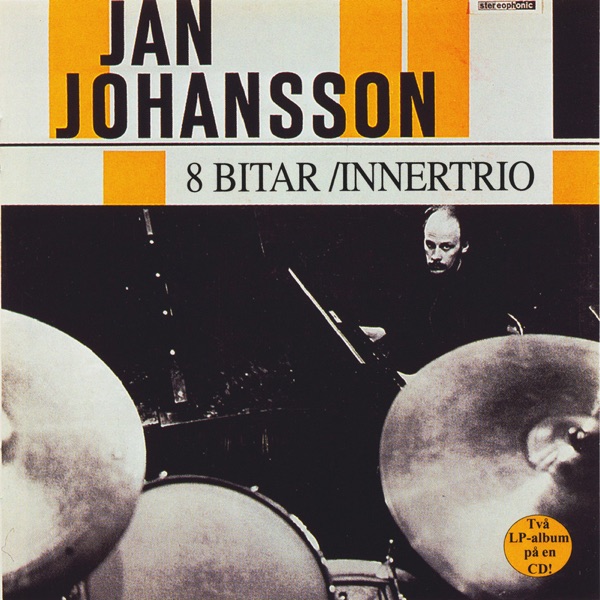
Johansson also recorded more straightforwardly jazz-oriented material — his work on 8 Bitar Johansson (1967) shows a different side, more swing-inflected, more obviously connected to his bebop background. But Jazz på svenska (1964) is the record people keep returning to, and for good reason. It's the one where the concept and the execution matched perfectly. The Swedish folk idiom gave him a constraint that sharpened his choices.
His death in 1968 cut off whatever he might have done next, and it's genuinely hard not to wonder. The late 1960s and early 1970s were when ECM Records was getting started and Scandinavian jazz was finding its own distinct voice through people like Jan Garbarek and Bobo Stenson. Johansson was already doing something adjacent to all of that, a few years ahead. He doesn't need to be mythologized for that — it's just a fact worth noting before you listen.