Silence as the Other Voice
Stenson was born in Västerås in 1944 and came up playing in Stockholm clubs during the late sixties, where he quickly became a first-call sideman. He worked with visiting American heavyweights and with the cream of the Swedish scene, absorbing bebop, post-bop, and the freer currents running through European jazz at the time. What he took from all of that and what he chose to leave behind tells you a lot about who he became.
The best way to describe his playing is to talk about space. Stenson leaves a lot of room in his lines — not because he runs out of ideas, but because he seems to trust silence the way other pianists trust notes. His touch is light but deliberate, and he has this ability to sit right on the edge of a melody without quite stating it, which can be quietly thrilling if you are paying attention. He does not show off. There are no big dramatic runs to signal that something important is happening.
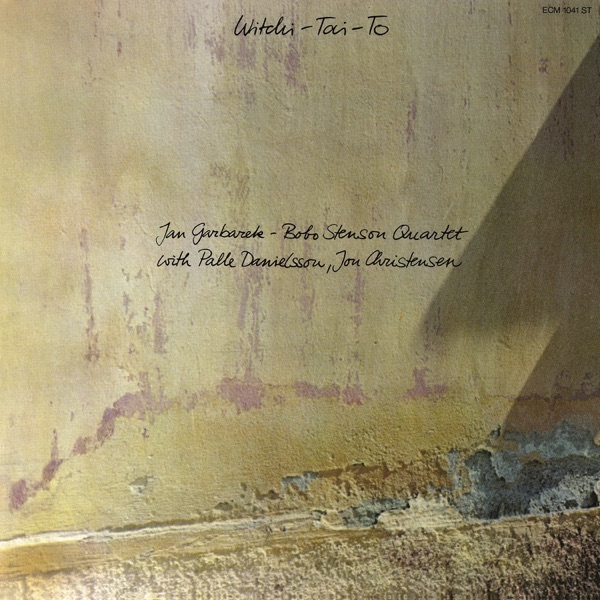
His long association with Jan Garbarek in the 1970s helped define a certain Scandinavian sound — cool, open, influenced as much by folk music and landscape as by American jazz tradition. But Stenson was always more than a supporting player in that world. His trio recordings, particularly the run of albums he made for ECM Records, are where he really stretches out. The label's aesthetic of clarity and resonance suits him perfectly. Serenity (2000) and Cantando (2008) are as good a place as any to hear what he does: unhurried, emotionally serious without being heavy-handed.
He has worked steadily with bassist Anders Jormin and drummer Jon Fält in his trio for years, and the three of them have developed a kind of collective language that goes well beyond the standard piano-bass-drums arrangement. Jormin in particular is a composer in his own right, and the interplay between them has a conversational quality that feels genuinely earned rather than rehearsed.
If you are coming to Stenson for the first time, do not expect fireworks. Give him a quiet evening and some patience, and you will find a pianist who has figured out exactly what he wants to say and exactly how much he needs to say it. That kind of discipline is rarer than it sounds.


