A Wanderer's Search for Sound
Charles Lloyd came to New York in the early 1960s straight from Memphis, bringing the blues with him and a real hunger to explore new harmonic territory. He learned his craft working as a sideman with Cannonball Adderley and played in Chico Hamilton's chamber jazz groups, where he picked up how to use space and color in his playing, and stayed current with what was happening harmonically. But Lloyd wanted something different—music that had mystery in it, that could feel natural and alive, that could come from the jazz tradition but also welcome sounds from everywhere else in the world.
Forest Flower (1966) was recorded live at Monterey in 1966 and changed everything for him. His quartet with pianist Keith Jarrett played with real spiritual focus, and Lloyd's saxophone sounded less like a jazz horn and more like something expressing something you can't quite name. The album sold unexpectedly well with the counterculture crowd, which opened doors but also created a strange tension: Lloyd had found people outside jazz who loved his music, but he never compromised the art to keep them interested. He wasn't going to make the same record twice just because one worked.
From the 1970s onward, Lloyd kept pushing outward. He got serious about Indian classical music, African rhythm patterns, and the improvisation happening in Europe. Records like Captain Journey and Notes from the Village bothered some jazz purists, but they showed an artist who didn't care about musical borders. He worked with sitarist Ravi Shankar, percussionist Mickey Hart, and musicians from all kinds of traditions, always as someone eager to learn, always listening hard.
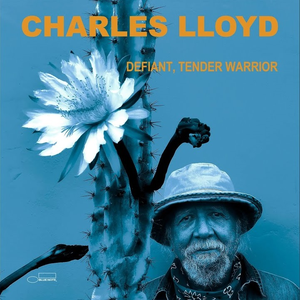
Now in his later years, Lloyd is like a living teacher in what post-bop jazz could become. His ECM Records releases and albums on his own Mazatlán label show someone still learning, still curious. He plays slowly, carefully, to ask questions and make room for other musicians—not to prove anything. Charles Lloyd's life in music isn't really a career. It's more like a long spiritual journey that's made jazz itself more open-minded and generous.