1966 · Album
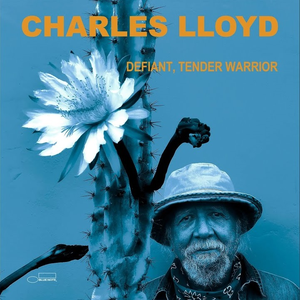
Defiant, Tender Warrior
Recorded 1966 · Atlantic Records · Produced by Nesuhi Ertegun
Gentleness as a Form of Resistance
Lloyd finds power in restraint, letting silence matter as much as sound.
Charles Lloyd made this record when he was already thinking deeply about what jazz could be beyond the familiar grooves and showmanship. Defiant, Tender Warrior (1966) sits at a crossroads in his career—he's refusing the hard bop formulas that worked for others, instead building something slower, more deliberate, more willing to sit in quiet spaces. The title itself tells you what's happening: there's fight here, but it's not the kind that needs to announce itself loudly.
What makes this album distinct is how Lloyd resists resolution. Tracks breathe differently than what was fashionable at the time. There's a kind of chamber music approach, where every note has weight because there aren't many of them wasted. The tunes move at their own pace, and the solos feel like conversations rather than competitions. Lloyd's tenor saxophone has a particular quality—warm but not soft, assertive but not aggressive. He's listening as much as playing, which changes everything about how the music sits in the room.
This isn't his most famous record, and it's not the place to start if you want immediate accessibility. But if you've heard his better-known work and want to understand what he was wrestling with in the middle of the sixties, this one matters. It's a record about finding strength in tenderness, about defiance that doesn't need volume. For listeners patient enough to meet it halfway, it rewards that attention.


