Rhythm as Architecture and Spirit
Jack DeJohnette showed up in New York in the mid-1960s with a completely different idea about what a drummer could do. He'd studied piano and composition classically, so he thought about the drum kit the way an orchestra player thinks about their instrument—in terms of colors and textures, not just keeping time. When he worked with Art Blakey and Chick Corea early on, people noticed right away that here was a drummer who could play quietly and sensitively one moment, then explode with power the next. By 1968, when he joined Miles Davis, he'd already figured out how to play in this expansive way that would stay with him his whole career.
Those years with Miles Davis—the albums In a Silent Way (1969) and Bitches Brew (1970)—changed everything, especially for DeJohnette. Listen to what he does on those fusion records and you hear a drummer who isn't afraid of space and silence. Most drummers feel like they have to fill every gap, but DeJohnette understood that rhythm could breathe, that leaving something out was just as important as playing something. He showed that you could do fusion without losing jazz's intelligence, while still getting that raw energy rock had. His drums were huge to making that work.
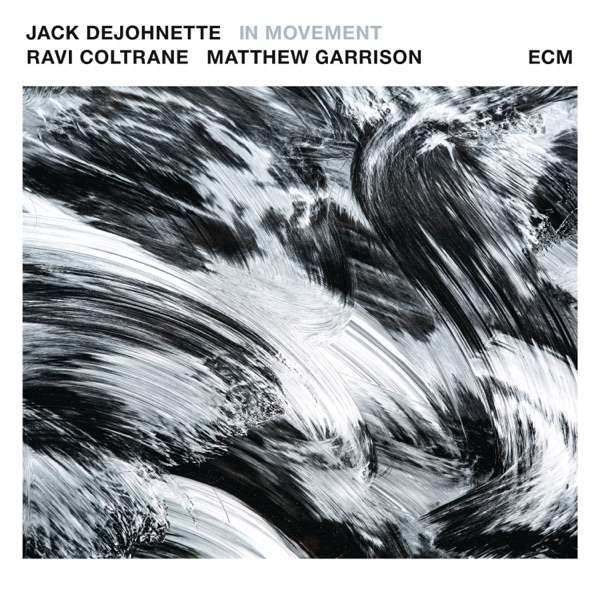
When he started leading his own bands, you saw how big his ideas really were. Horizon, which he started in 1973, mixed Larry Coryell, Miroslav Vitous, and Don Grolnick together—totally different kinds of players. Through "Special Edition" and working with Matthew Garrison, John Scofield, and others, he kept changing and trying new things: world music, new composition techniques, electronics. But he never lost what makes jazz matter emotionally. His drumming always sounds like he's having a conversation with the other musicians, not just showing off.
What's maybe most important is how he's taught people and shaped how we think about drums. He treats the kit like a real instrument—something that can play melodies and harmonies and tell a story. That idea has stuck with a lot of younger drummers. Over nearly sixty years of recording, everything he's done comes back to one thing: rhythm isn't just the beat underneath. It's the foundation that makes everything mean something. The drummer isn't just keeping time—they're composing time itself.