1974 · Album
Sorcery
Recorded 1972 · Milestone Records · Produced by Jack DeJohnette

Rhythm as Spell: DeJohnette's Sorcery Unfolds
DeJohnette casts a spell through pure rhythmic invention and compositional boldness here.
Jack DeJohnette's Sorcery (1972) is a drummer's album in the best sense—one where the drums aren't just keeping time but orchestrating the entire sound. This isn't a sideman's date where he's supporting someone else's vision. DeJohnette is in control, and you feel it immediately. The rhythmic textures are genuinely weird and wonderful. He's not playing straight jazz time; he's layering polyrhythms, electronic percussion, and acoustic drums in ways that sound natural rather than gimmicky, which was no small feat in the early seventies.
What makes Sorcery distinct from DeJohnette's other work is its commitment to fusion without pretense. These aren't fusion clichés—the music doesn't sound like anyone else trying to be funky or electronic. Tracks move between dense, almost free passages where the rhythm dissolves into pure texture, then snap back into grooves that have real pocket. The compositional ideas are strong enough that you're not just listening to technique, which matters because it would be easy to dismiss something this percussion-forward as showing off. Instead, the tunes actually go somewhere. The album sits at a particular moment in his career when he was hungry to expand beyond the straight-ahead jazz setting.
This isn't the album to start with if you want traditional DeJohnette. Go to his work with Art Blakey first if you want classic jazz drumming. Sorcery is more specialized—it's for listeners interested in how rhythm and texture can be primary compositional elements rather than accompaniment. It's genuinely inventive, occasionally challenging, and deeply rewarding if you let it pull you in. Not everyone will connect with it, but everyone who does seems to stay connected.
Who's playing
Where next?
More by Jack DeJohnette
All 14 albums →


The musicians on this record

Conference of the Birds 1973
Dave Holland
plays bass here
plays bass here
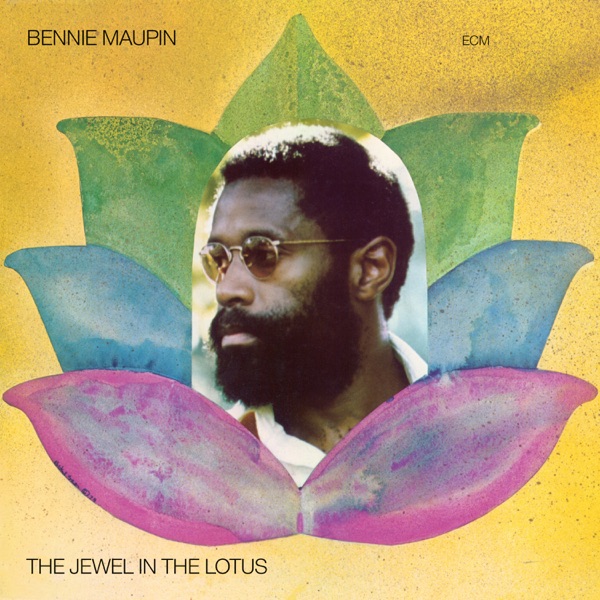
The Jewel in the Lotus 1974
Bennie Maupin
plays bass clarinet here
plays bass clarinet here


