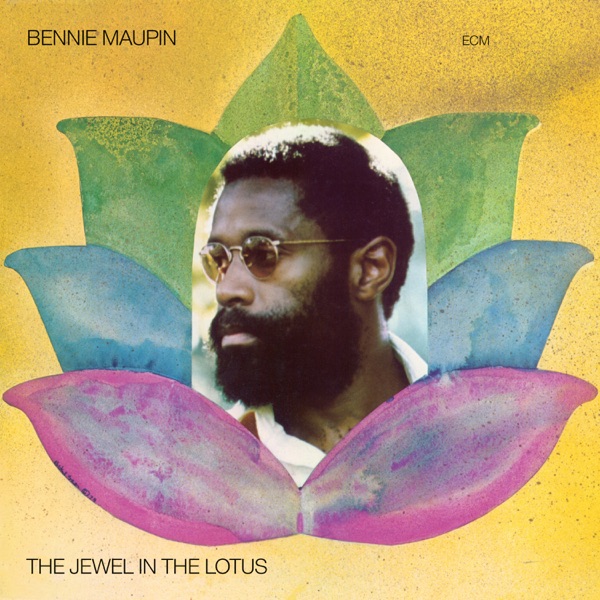
1974 · Album
The Jewel in the Lotus
Recorded March 1974 · ECM · Produced by Not specified in verified sources
When the Right Players Finally Met
AllMusic's five-star rating called it 'a true jazz classic' that sounds as timeless now as it did on release.
The Jewel in the Lotus arrived quietly in 1974, but the people who mattered heard it immediately. AllMusic gave it five stars. Pitchfork later scored it 9.1/10. The Penguin Guide awarded it 3.5/4 stars. More importantly, AllMusic reviewer Thom Jurek understood what Bennie Maupin had accomplished: he'd brought together musicians from completely different corners of jazz and made them sound like they belonged together. That was no small thing in 1974.
Maupin's debut sits in that ECM Records space where abstraction and melody live side by side. The rhythm section—Herbie Hancock on piano, Buster Williams on bass, Billy Hart and Freddie Waits and Bill Summers on percussion—creates something fluid and grounded at once. Guest trumpeter Charles Sullivan adds sharp colors when needed. What Jurek heard, and what still registers, is how carefully the material is written. The dynamics don't drift or get lost; they're deliberate. The tensions build and release. Nothing sounds improvised even though jazz woodwinds demand constant invention. Maupin found a way to give his musicians room to breathe while keeping everything locked into place.
The album's title draws from the Buddhist mantra Oṃ maṇi padme hūṃ—the jewel in the lotus. It's not window dressing. The music actually carries that quality: something beautiful nested inside something else, both necessary. This is the place to start with Maupin. It remains his strongest statement.
Who's playing
Where next?
More by Bennie Maupin

Moonscapes 1978

Driving While Black 1998

Symphonic Tone Poem for Brother Yusef 2022

Slow Traffic to the Right 1977
The musicians on this record
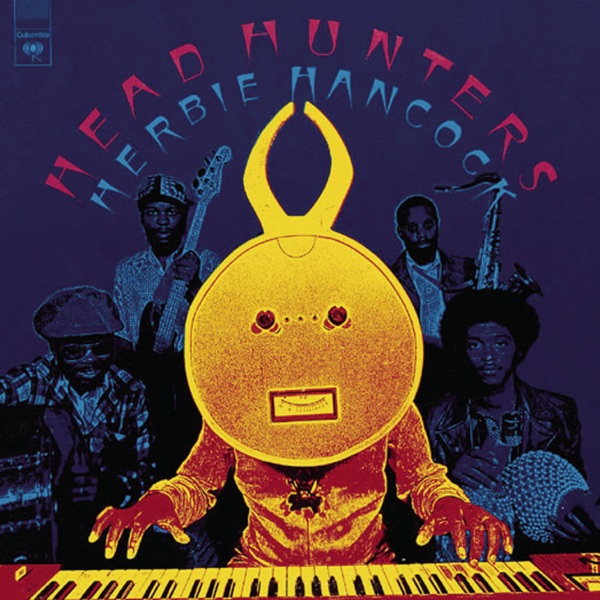
Head Hunters 1973
Herbie Hancock
plays piano here
plays piano here

Something More 1989
Buster Williams
plays bass here
plays bass here
♫
Enchance 1977
Billy Hart
plays drums (drum set) here
plays drums (drum set) here