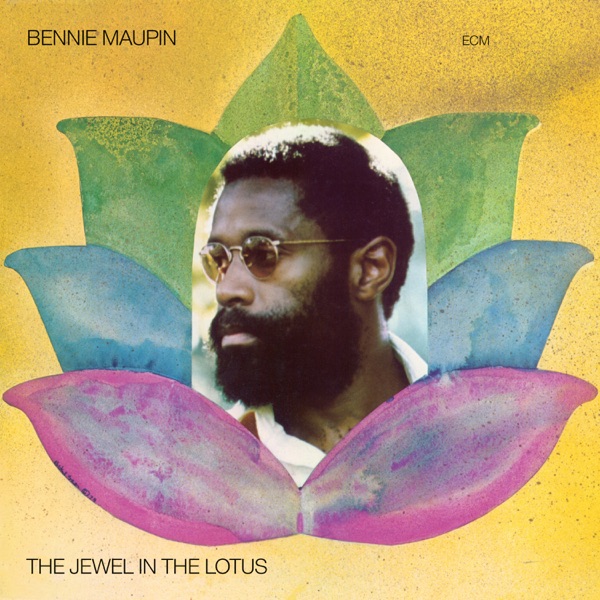
1998 · Album
Driving While Black
Recorded Different Fur Studios, San Francisco · Intuition Records · Significance: Maupin's first release as a leader in 20 years

Twenty Years Later, Still Screaming
Maupin's bass clarinet cuts through Gleeson's synth washes with the power of someone who never stopped believing in the instrument.
After two decades away from leading his own sessions, Bennie Maupin returned with Driving While Black (2006), a record that feels less like a comeback and more like a man picking up where he left off — except the world had moved on, and he'd moved with it. This isn't a nostalgia project or an elder statesman settling old scores. It's a sharp-eyed collision between the analog warmth Maupin knew from his '70s fusion days and the hip-hop-inflected production Dr. Patrick Gleeson brings to the table. The result is neither pure '70s nor pure '90s acid jazz, but genuinely caught between them — funky, synth-heavy, built on beats that feel contemporary without pretending to be trendy.
AllMusic reviewer Christian Genzel heard what mattered most: Maupin's chops hadn't dulled. On "Miles to Go," the bass clarinet work is fiery and inventive, squealing and screaming through Gleeson's synth layers in a way that reminds you why the instrument ever mattered to begin with. Gleeson's rhythmic foundation is sturdy enough to support extended improvisation without disappearing into background texture. The chemistry between them suggests they understood what they were after — not a statement album, just two musicians who'd earned the right to make something on their own terms.
The Penguin Guide to Jazz Recordings found the album "awkwardly transplanted in time," which is fair — it does sit uneasily between eras. But there's honesty in that awkwardness. Maupin had nothing to prove and no commercial pressure to chase trends. He simply recorded with a partner who made him sound alive.