The Reed Behind the Curtain
If you came to Maupin through Bitches Brew (1970), you already know his most famous moment — that low, woody bass clarinet line threading through Miles Davis's chaos. But that session was almost a footnote in a much longer story. Maupin had been working the New York scene through the late 1960s, picking up sessions and sideman work, developing a tone on tenor saxophone and bass clarinet that was darker and more atmospheric than most of his contemporaries. He wasn't trying to out-Coltrane anyone. His thing was more about texture and space.
The years he spent with Herbie Hancock's Mwandishi group in the early 1970s are probably the best place to hear what Maupin actually sounds like when given room to breathe. That band — recorded on albums like Mwandishi (1971) and Crossings (1972) — was doing something genuinely strange: electric instruments, extended improvisation, spiritual overtones, and a collective feel that was almost more like a working unit than a bandleader showcase. Maupin was central to that sound. His reeds gave the music a kind of organic weight that kept it from floating off entirely into abstraction.
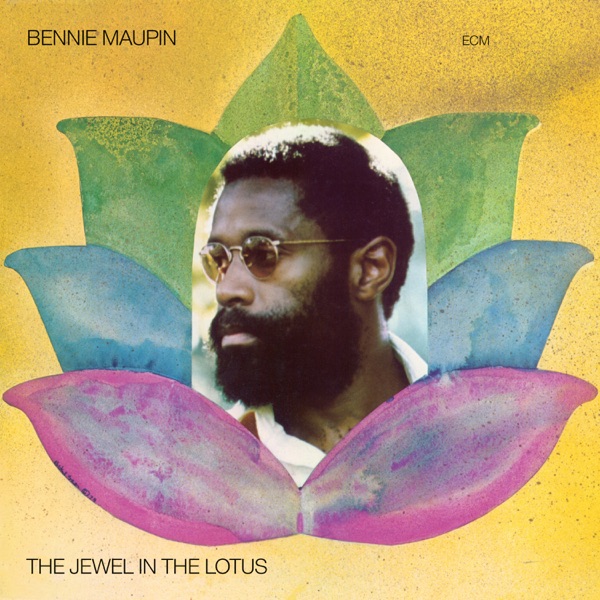
His solo debut, The Jewel in the Lotus (1974), came out on ECM and it's worth tracking down. It's meditative without being sleepy, modal without being academic, and it shows a composer who had been absorbing a lot — African rhythms, spiritual jazz currents, the electric experiments of the Mwandishi years — and cooking it down into something personal. The album didn't make him a household name, but it earned him real respect among musicians who cared about that kind of disciplined adventurousness.
What's interesting about Maupin's career is how consistently he stayed in motion without chasing trends. He played on Head Hunters (1973) with Hancock, which was a massive commercial success, and then kept working in more exploratory directions even as fusion started calcifying into something more predictable. He was never particularly interested in becoming a recognizable brand. He played bass clarinet when almost nobody else in jazz was making it a primary voice, and he used it in ways that were genuinely his own — lower register, more breath, more weight than the upper-register clarity most clarinet players chased.
If you're handing someone a Maupin record for the first time, the Mwandishi albums with Hancock are probably the entry point — that's where you hear him in a context that shows both his range and his instinct for collective playing. But don't sleep on his solo work. He's one of those musicians who built a body of work over decades that rewards patience, and the further you go in, the more you realize how much of what you loved in those famous sessions was actually him.