The Doctor Who Kept Playing
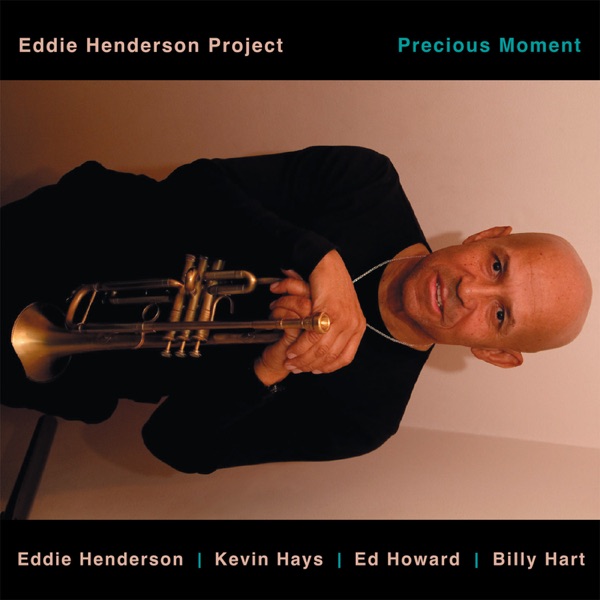
Here's the thing about Eddie Henderson that trips people up: he's a physician. Not a jazz musician who dabbled in medicine as a side gig for a magazine profile — he actually practiced psychiatry for years while recording and touring. That split life explains a lot about his playing, which has always sounded less like someone chasing fame and more like someone who loves the horn enough to keep coming back to it on his own terms.
He grew up around music — his mother was a dancer at the Cotton Club — and as a kid he got to watch Miles Davis up close, which left its mark on his tone and his phrasing for good. But the record most people point to when they talk about Henderson is his run with Herbie Hancock's Mwandishi sextet in the early '70s, alongside Bennie Maupin and Julian Priester. That band was doing something strange and electric — Afrofuturist, dense, groove-heavy but never simple — and Henderson's trumpet fit right into it, warm and searching against all that electronic texture.
When the Mwandishi band broke up, Henderson didn't retreat into straight-ahead jazz the way some of his peers did. He leaned further into fusion, cutting records like Realization (1973) and Sunburst (1975) for Capricorn and Blue Note, full of synthesizers and funk basslines and electric piano. Some jazz purists wrote that period off, but it's worth hearing — Henderson plays with real conviction over those grooves, not just going through the motions of the moment.
By the '80s and '90s he'd shifted back toward acoustic post-bop, recording steadily for labels like Steeplechase and Furthermore, working with musicians like Joe Henderson (no relation) and keeping a consistent, unflashy excellence going well into his later years. He's never been a household name, and he'd probably tell you that's fine — he had a medical career to fall back on, after all. But put on any of his records from any decade and you hear a trumpeter who always sounds like he means it, whether he's floating over a modal vamp or riding a Mwandishi groove into outer space.
If you want a way into his catalog, start with the Mwandishi records for the strange, exploratory stuff, then jump to his own fusion albums from the mid-'70s, then land on his later acoustic work to hear how the same voice ages into something more settled and direct.