1978 · Album
Mahal
Recorded 1978 · Capitol · Produced by Not specified in available sources

Funk and Fusion in the Capitol Years
Henderson's flugelhorn cuts through layers of synthesizer and percussion, searching for space in a crowded, groove-heavy mix.
Mahal arrives heavy with synthesizer and rhythm section, trading the cleaner fusion of Henderson's debut for something earthier and more funk-inflected. Herbie Hancock and John Bowen layer synths throughout, while Paul Jackson locks in on bass and Howard King drives the backbeat. James Mtume adds congas, Bill Summers handles percussion — the rhythm section feels genuinely dense, sometimes overstuffed. Bennie Maupin on tenor saxophone and Julian Priester on trombone add horn weight, and Hubert Laws floats flute lines over the top. Henderson's flugelhorn has to work harder here to breathe, and that struggle is partly the album's point.
This is Capitol Records pushing funk harder than it probably should have. AllMusic reviewer Richard S. Ginell heard it clearly: the label's A&R department was chasing disco, and much of Mahal feels like it's listening to the charts instead of the music. Some themes are listless, filler between moments where Henderson and his ensemble actually dig in. When they do — when the flugelhorn steps forward and the horns lock together — there's real craft. The soloists contribute something, even if the arrangements don't always make space for them.
Mahal is Henderson's second Capitol record, and it shows the limits of that partnership. It's not a failed record, but a conflicted one: a strong player caught between his own instincts and commercial pressure. For collectors and Henderson completists, the roster alone warrants attention. For casual listeners, it's a hard entry point compared to his stronger work elsewhere.
Who's playing
Paul Jacksonbass
Ray Obiedoguitar
Bennie Maupintenor saxophone
Julian Priestertrombone
Hubert Lawsflute
John Bowenanalog synthesizer
Herbie Hancocksynthesizer
Howard Kingdrums
Bill Summerspercussion
James Mtumecongas
Eddie Hendersonflugelhorn
Where next?
More by Eddie Henderson
All 20 albums →

The musicians on this record

Man-Child 1975
Herbie Hancock
plays synthesizer here
plays synthesizer here

Moonscapes 1978
Bennie Maupin
plays tenor saxophone here
plays tenor saxophone here
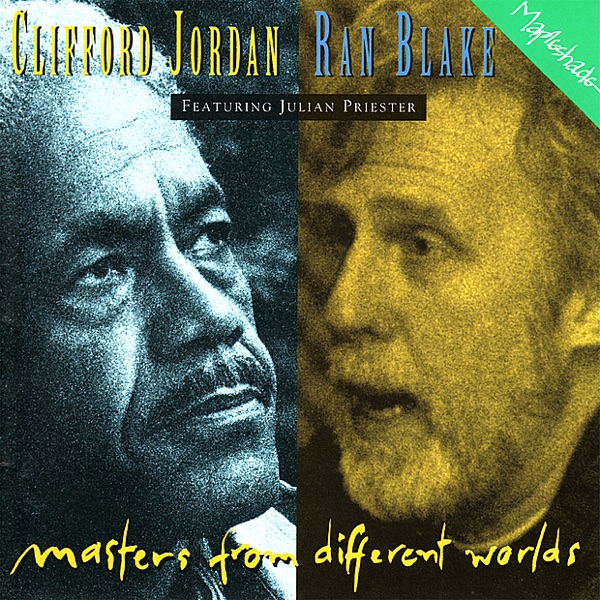
Masters From Different Worlds 1994
Julian Priester
plays trombone here
plays trombone here


